

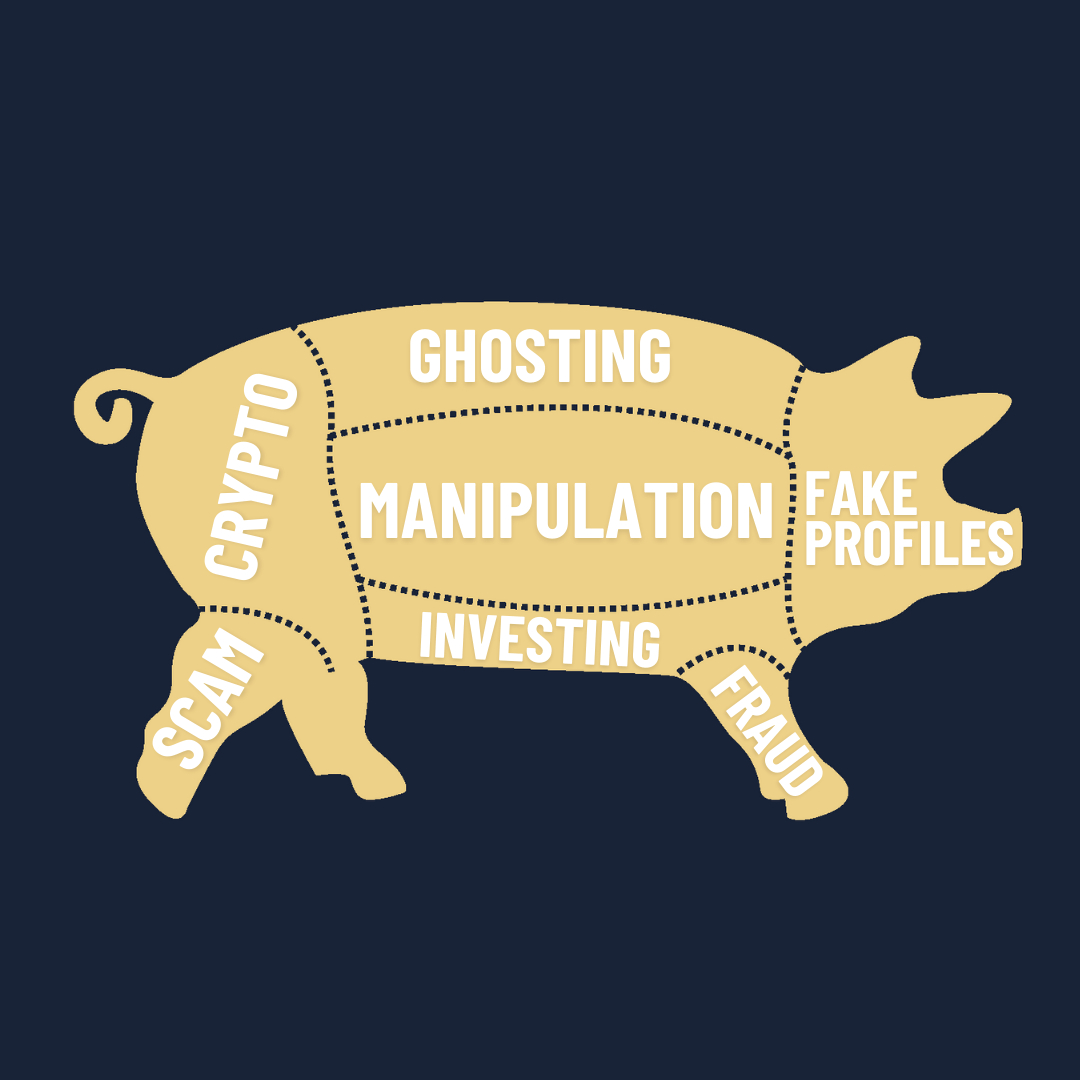
Understanding the Rise of Pig Butchering Scam Victims
Pig butchering scams are one of the fastest-growing forms of online financial fraud, combining long-term social engineering with investment deception. The term refers to how scammers “fatten up” their victims emotionally and financially before stealing large sums of money. Many Pig Butchering Scam Victims are approached through social media, messaging apps, or dating platforms, where scammers build trust over weeks or months before introducing fake investment opportunities.
These scams often involve cryptocurrency platforms, fake trading apps, or fraudulent investment websites that show manipulated profits to encourage larger deposits. By the time victims realize what is happening, their funds are often gone or moved through multiple untraceable wallets.
Understanding how these scams work is the first step toward prevention and recovery.
How Pig Butchering Scams Typically Work
Most Pig Butchering Scam Victims report a similar pattern of manipulation. The scam usually begins with an unexpected message from a stranger who appears friendly, professional, or romantically interested. Over time, the scammer builds emotional trust, sometimes pretending to share personal struggles or financial success stories.
Once trust is established, the scammer introduces a “safe” investment opportunity, often in cryptocurrency or forex trading. Victims are guided to register on fake platforms that show fake returns. Initially, small withdrawals may even be allowed to build confidence. This encourages victims to invest larger amounts.
Eventually, withdrawal requests are blocked, accounts are frozen, or the scammer disappears entirely.
Key Warning Signs for Pig Butchering Scam Victims
Recognizing early warning signs can prevent major financial loss. Many Pig Butchering Scam Victims overlook these red flags because the scam is emotionally driven and carefully staged.
One major warning sign is unsolicited contact from someone who quickly becomes overly friendly or emotionally invested. Another sign is pressure to move conversations off official platforms to private messaging apps.
Investment-related red flags include guaranteed profits, “insider” trading tips, or unrealistic returns with no risk. Scam platforms often look professional but lack regulatory licensing or verifiable company details.
Additionally, if withdrawals are delayed or require extra fees or taxes, this is a strong indicator of fraud. Legitimate financial institutions do not operate in this way.
Immediate Actions for Pig Butchering Scam Victims
When someone realizes they have been scammed, quick action is critical. Pig Butchering Scam Victims should first stop all communication with the scammer immediately. Continuing contact often leads to further manipulation or secondary scams.
Next, all financial activity should be documented. This includes screenshots of chats, transaction records, wallet addresses, and platform URLs. These details are essential for reporting the fraud and increasing the chances of investigation.
Victims should also contact their bank or crypto exchange immediately to report unauthorized transfers. In some cases, transactions may be reversible if reported quickly, especially if funds have not yet been fully laundered.
Changing passwords, enabling two-factor authentication, and securing all related accounts is also necessary to prevent further compromise.
Reporting Channels and Legal Support Options
Pig Butchering Scam Victims should report incidents to local cybercrime authorities as soon as possible. In many countries, dedicated cybercrime units track digital fraud and can help trace funds or identify scam networks.
Reports should also be filed with financial institutions involved in the transactions. Crypto exchanges, payment processors, and banks often have fraud departments that can flag suspicious wallets or accounts.
In addition, victims can seek help from international fraud reporting platforms that monitor cross-border scams. While recovery is not guaranteed, reporting helps prevent future victims from being targeted.
Legal consultation is also recommended, especially for large financial losses. Lawyers specializing in cyber fraud may help explore recovery options or legal action against identifiable perpetrators.
Recovery Challenges for Pig Butchering Scam Victims
Recovering funds after a pig butchering scam is often difficult due to the complexity of blockchain transactions and international money laundering networks. Many Pig Butchering Scam Victims discover that their funds have already been transferred through multiple wallets or converted into untraceable assets.
However, partial recovery is sometimes possible. In rare cases, law enforcement agencies can freeze assets if they are identified early in the laundering process. Some victims may also recover funds through legal settlements if scam networks are dismantled.
It is important to remain cautious of “recovery agents” or services that demand upfront fees to retrieve lost money. Many of these are secondary scams targeting already vulnerable victims.
Psychological Impact on Pig Butchering Scam Victims
Beyond financial loss, Pig Butchering Scam Victims often experience emotional distress, shame, and anxiety. The scam is designed to create emotional attachment, making the betrayal feel deeply personal.
Victims may hesitate to report the crime due to embarrassment, but early reporting significantly improves investigation chances. Support from family, friends, or professional counselors can help reduce emotional strain during recovery.
It is important to understand that these scams are highly sophisticated operations involving trained criminals, not simple mistakes by victims.
Preventing Future Attacks on Pig Butchering Scam Victims
Prevention is the most effective defense. Pig Butchering Scam Victims and potential targets should be cautious of unsolicited online relationships, especially those that quickly turn financial.
Verifying investment platforms through official financial regulators is essential before sending any funds. No legitimate investment opportunity guarantees profits or pressures users into fast decisions.
Using strong digital hygiene practices such as multi-factor authentication, avoiding unknown investment apps, and regularly monitoring financial accounts can significantly reduce risk.
Education and awareness are key tools in stopping these scams from spreading further.
Conclusion
Pig butchering scams represent a growing global threat that blends emotional manipulation with financial fraud. Pig Butchering Scam Victims often face significant financial and emotional challenges, but understanding the scam structure, recognizing early warning signs, and taking immediate action can reduce damage and improve recovery chances.
While full fund recovery is not always possible, reporting the crime, securing accounts, and seeking professional support remain the most important steps. Awareness and caution are the strongest defenses against becoming a future victim of this increasingly sophisticated scam network.