




The Fascinating Story Behind Prince Rupert’s Drop
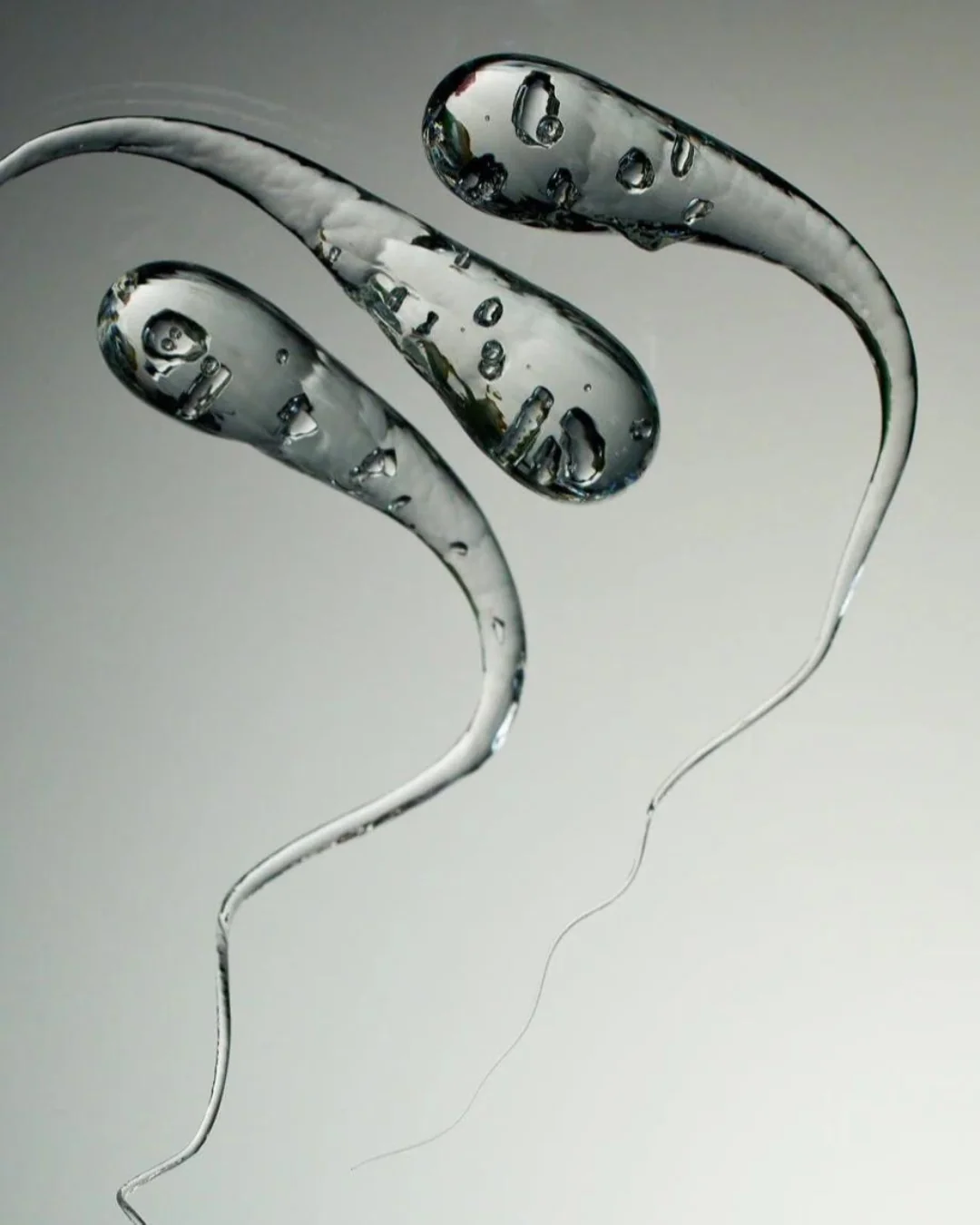
Prince Rupert’s drop is one of the most remarkable demonstrations of how ordinary glass can behave in extraordinary ways. At first glance, these drops look like simple glass beads with a rounded head and a thin, curved tail. However, their unusual internal stresses allow them to withstand surprisingly strong impacts on the bulbous end while remaining extremely fragile at the tail.
The history of Prince Rupert’s drop goes back to the 17th century. The phenomenon became associated with Prince Rupert of the Rhine, who reportedly introduced the fascinating glass drops to England during the 1660s. Scientists and scholars quickly became interested in understanding why a small piece of glass could survive forces that would normally shatter it.
Today, these glass drops are popular among science enthusiasts, collectors, educators, and people interested in demonstrations of physics. Searching for a prince rupert’s drop explosion can lead to spectacular demonstrations showing how rapidly stored internal energy can travel through the glass.
What Exactly Is a Prince Rupert’s Drop?
A Prince Rupert’s drop is made by allowing molten glass to fall into cool water. The sudden cooling process creates a distinctive teardrop-like shape and produces powerful internal stresses.
The thick rounded portion cools relatively quickly on the outside while the interior remains hot for a longer period. As the material continues to cool, different regions contract at different rates. This creates a complicated stress pattern inside the glass.
The result is a drop with two very different characteristics. The rounded head can be remarkably resistant to impact, whereas the thin tail is extremely sensitive to damage. A tiny crack introduced into the tail can cause the entire drop to break apart almost instantaneously.
This unusual combination makes Prince Rupert’s drops valuable as simple physical models for understanding stress, fracture, and energy storage.
How the Glass Drop Is Made
Creating a Prince Rupert’s drop begins with molten glass. The liquid glass must reach a sufficiently high temperature to become fluid enough to form a drop.
The molten material is then released into a container of cold water. As the hot glass enters the water, its outer surface cools rapidly. This rapid cooling produces a hardened outer layer around a warmer interior.
The glass naturally develops its characteristic rounded head and narrow tail during the process. The precise appearance depends on factors such as glass composition, temperature, drop size, and cooling conditions.
Although the process may appear simple, producing consistent drops requires careful control. Glass is a fragile material, and working with molten glass and rapidly cooling materials requires appropriate equipment and professional safety procedures.
The Physics of Internal Stress
The remarkable behavior of Prince Rupert’s drop is primarily related to residual stress. When glass cools rapidly, different parts of the material experience different temperature changes at different times.
The exterior becomes rigid while the interior continues cooling. As the interior eventually contracts, the hardened outer layer restricts that movement. This leaves the glass with a complex pattern of compression and tension.
The outer surface of the rounded head is placed largely under compression. Compression makes it more difficult for a crack to open and propagate across the surface. Consequently, the thick head can tolerate surprisingly strong blows.
The interior, meanwhile, contains tensile stresses. These stresses represent stored elastic energy within the glass. Under normal circumstances, the stress pattern remains stable. However, if a crack reaches a critical region, the stored energy can be released extremely quickly.
Why Is the Rounded Head So Strong?
Glass is normally considered a brittle material. Unlike metals, it does not generally bend significantly before breaking. Its strength is strongly influenced by microscopic surface flaws.
A crack provides a pathway through which stress can concentrate. If the crack grows, the material may suddenly fracture.
The rounded head of a Prince Rupert’s drop benefits from its compressed outer surface. Compression tends to close small cracks rather than allowing them to grow. This is one reason the head can survive impacts that would break an ordinary piece of glass.
This principle is not unique to Prince Rupert’s drops. Modern materials science also uses controlled compression to improve the strength of certain glass products.
Why the Tail Is So Fragile
The thin tail represents the opposite side of the drop’s unusual behavior. It contains stresses that make it particularly vulnerable to fracture.
A small defect or break in the tail can provide a pathway for a crack to enter the stressed interior. Once that happens, the crack can travel rapidly through the drop.
The speed of the fracture is one of the most impressive features of the demonstration. A drop that appears completely intact can suddenly disintegrate into tiny fragments after the tail is damaged.
This dramatic behavior is sometimes described as a prince rupert’s drop explosion, although the phenomenon is technically a rapid brittle fracture rather than a chemical explosion.
Understanding the Prince Rupert’s Drop Explosion
The term “explosion” is commonly used to describe the visual effect when the drop suddenly breaks apart. There is no combustion or explosive chemical reaction involved.
Instead, the drop contains elastic energy because of the stresses created during rapid cooling. When the tail is damaged, a crack can move through the glass at very high speed.
As the crack progresses, the stress field changes and stored energy is released. The glass fragments rapidly, creating the dramatic appearance associated with the prince rupert’s drop explosion.
High-speed photography has helped researchers study this process in detail. Such experiments reveal how fracture waves travel through the material and how the original stress structure influences the breakup.
Why People Look for Prince Rupert’s Drops for Sale
Prince Rupert’s drops are attractive to collectors because they combine historical significance with an easily demonstrated scientific principle. They can also be useful for science education.
A properly prepared drop can demonstrate several important concepts, including thermal stress, residual stress, fracture mechanics, crack propagation, compression, tension, and stored elastic energy.
When considering a Prince Rupert’s drop for sale, buyers may want to look at the quality of the glass, the shape of the drop, the clarity of the material, and the condition of the tail. Because the tail is intentionally vulnerable, careful packaging and handling are particularly important.
Collectors may also be interested in how the drop was produced and whether information about its origin or manufacturing process is provided.
Prince Rupert’s Drops in Science Education
These unusual glass objects can make abstract physics easier to understand. Students can learn about thermal expansion and contraction by examining how rapid cooling affects glass.
They can also explore fracture mechanics by comparing the behavior of the compressed head with that of the fragile tail.
A classroom demonstration can introduce the difference between force and stress, explain how cracks propagate, and show why surface conditions can dramatically influence the strength of brittle materials.
The drops also provide a useful connection between historical scientific curiosity and modern engineering. Similar principles of controlled stress are important in manufacturing glass products designed to withstand everyday forces.
Historical Curiosity Meets Modern Materials Science
Prince Rupert’s drop remains fascinating because it connects a centuries-old scientific curiosity with modern understanding of materials. Early observers could see that the drops behaved strangely, but modern tools allow researchers to examine the stresses and fracture processes responsible for their behavior.
The drops demonstrate an important lesson: strength is not simply a property of a material. It also depends on shape, surface condition, internal structure, and the way stresses are distributed.
A small glass object can therefore withstand an impressive impact while remaining extremely vulnerable to a tiny defect in the right location.
Conclusion
Prince Rupert’s drop is far more than an unusual piece of glass. Its history, distinctive manufacturing process, internal stresses, and dramatic fracture behavior make it an excellent example of physics in action.
Whether viewed as a historical curiosity, educational specimen, or collector’s item, the drop demonstrates the fascinating relationship between heat, stress, compression, tension, and fracture. The dramatic prince rupert’s drop explosion is particularly memorable because it reveals the tremendous amount of energy that can be stored inside an apparently ordinary piece of glass.