

The Real Meaning Behind Food Cravings
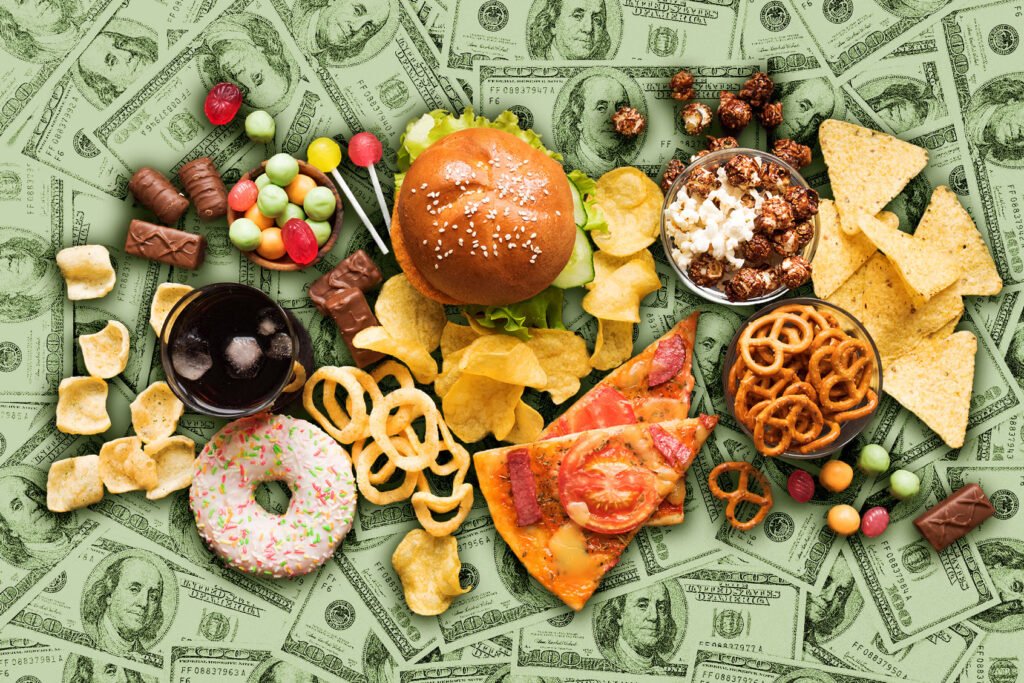
Food cravings are often misunderstood as simple hunger or a lack of willpower, but in reality they are complex signals coming from both the body and the brain. When you experience food cravings, your system may be communicating nutritional needs, emotional states, hormonal changes, or even habits shaped by your environment. Understanding these signals can help you respond more intelligently instead of reacting impulsively.
Food cravings are not random. They are influenced by internal biology and external triggers such as stress, sleep patterns, and dietary balance. For example, craving sugary foods may reflect energy fluctuations, while salty cravings may indicate electrolyte imbalance or dehydration. The key is to interpret these signals rather than ignore or fight them.
Biological Causes Behind Food Cravings
One of the most important reasons behind food cravings is the body’s need for specific nutrients. When your diet lacks certain vitamins or minerals, your brain may push you toward foods that seem to correct that imbalance. For instance, cravings for chocolate are sometimes linked to magnesium deficiency, while red meat cravings may be tied to iron needs.
Hormones also play a major role. Ghrelin, the hunger hormone, increases appetite, while leptin signals fullness. When these hormones are disrupted due to lack of sleep or irregular eating patterns, food cravings can intensify even when the body does not truly need energy.
Blood sugar fluctuations are another major driver. When you consume high-carb or sugary foods, your blood sugar spikes and then quickly drops, leading to stronger urges for quick energy sources. This cycle can create repeated food cravings throughout the day, especially for sweets and processed snacks.
Emotional Triggers and Food Cravings
Not all food cravings are physical. Many are emotional responses. Stress, anxiety, boredom, and sadness can all lead to specific eating behaviors. This is often called emotional eating, where food becomes a coping mechanism rather than a source of nutrition.
For example, during stressful moments, people often crave high-fat or high-sugar foods because they activate reward centers in the brain. These foods temporarily increase dopamine levels, creating a feeling of comfort or relief. However, this effect is short-lived, and the underlying emotional need remains unaddressed.
Habits also shape emotional food cravings. If someone regularly eats snacks while watching TV or studying, the brain begins to associate those activities with eating. Over time, the craving becomes automatic, even in the absence of hunger.
Psychological Patterns That Influence Food Cravings
The brain plays a powerful role in shaping food cravings through reward conditioning and memory. Past experiences with certain foods can create strong associations. A childhood favorite meal or a dessert linked to celebration can trigger cravings even years later.
Marketing and environment also contribute significantly. Seeing food advertisements, smelling cooking aromas, or passing by a bakery can activate cravings instantly. The brain responds to visual and sensory cues before the stomach signals actual hunger.
Restriction is another psychological trigger. When people avoid certain foods for long periods, the brain can increase cravings for those very items. This is why overly strict dieting often leads to binge eating or intense food cravings later on.
Nutritional Imbalances and Food Cravings
A balanced diet plays a crucial role in controlling food cravings. When meals lack protein, fiber, or healthy fats, the body tends to seek quick energy sources like sugar and refined carbs. These nutrients help stabilize blood sugar and keep you full for longer periods.
Dehydration can also be mistaken for hunger. Many people experience food cravings when their body actually needs water. Drinking enough fluids throughout the day can reduce unnecessary snacking and improve energy levels.
Low intake of essential fatty acids may increase cravings for fried or greasy foods, while insufficient complex carbohydrates can lead to a desire for bread, pasta, or other starches. Understanding these patterns helps in adjusting diet choices to reduce unnecessary cravings.
The Role of Sleep and Lifestyle in Food Cravings
Sleep deprivation has a strong impact on appetite regulation. When you do not get enough rest, the body increases ghrelin levels and decreases leptin levels, leading to stronger food cravings the next day. This is why people often reach for high-calorie foods after a poor night’s sleep.
Lifestyle factors such as irregular meal timing, excessive caffeine intake, and lack of physical activity also influence cravings. Skipping meals can cause extreme hunger later, while too much caffeine may disrupt hunger signals and lead to unpredictable eating patterns.
Regular exercise helps regulate appetite hormones and reduces stress, both of which contribute to more stable food cravings. Physical activity also improves mood, reducing the likelihood of emotional eating.
How to Interpret and Manage Food Cravings
Instead of trying to eliminate food cravings completely, it is more effective to understand and manage them. The first step is identifying whether the craving is physical, emotional, or environmental. Asking simple questions like “Am I actually hungry?” or “What happened before this craving started?” can provide valuable insight.
Balanced meals are essential. Including protein, fiber, and healthy fats in every meal helps reduce sudden spikes in hunger and stabilizes energy levels. This naturally reduces the intensity of food cravings throughout the day.
Mindful eating is another powerful strategy. Paying attention to taste, texture, and portion size helps the brain recognize fullness signals more effectively. This reduces overeating and helps break the cycle of automatic cravings.
Hydration, sleep improvement, and stress management techniques such as meditation or deep breathing can also significantly reduce unwanted food cravings over time.
Rebuilding a Healthy Relationship with Food Cravings
Rather than viewing food cravings as something negative, they should be seen as communication signals. The body is constantly trying to maintain balance, and cravings are part of that process. Learning to interpret these signals allows you to respond with awareness instead of impulse.
When you stop labeling food cravings as “good” or “bad,” you begin to understand their root causes more clearly. Sometimes the body needs energy, sometimes it needs nutrients, and sometimes it simply needs rest or emotional comfort.
By paying attention to patterns and making small adjustments in diet and lifestyle, you can transform food cravings from confusing urges into useful guidance. This shift not only improves eating habits but also supports overall physical and mental well-being.