

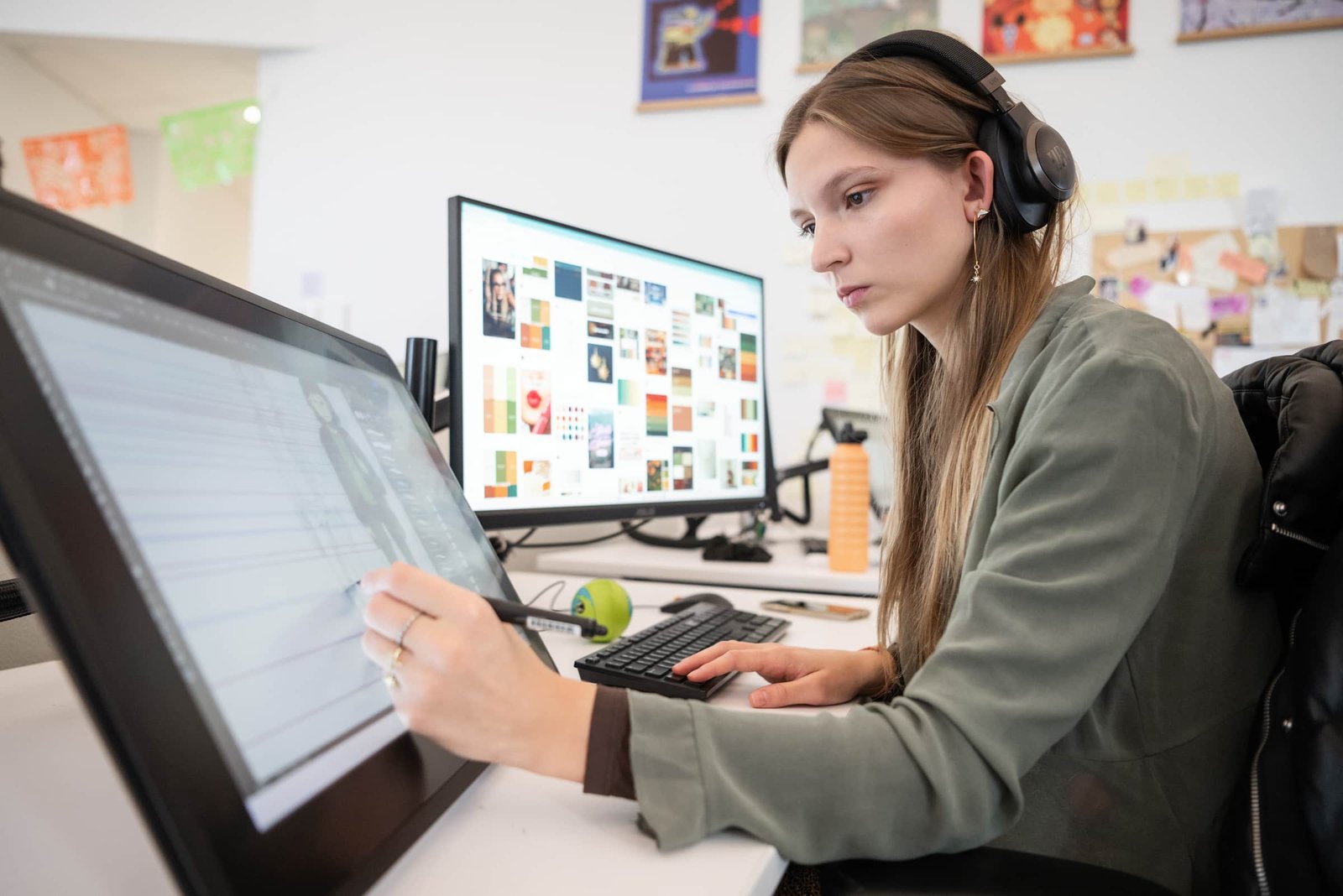
Website animation has become an important part of modern digital design. As users increasingly expect websites to be visually appealing, responsive, and easy to navigate, animation can help brands create more engaging online experiences. When used strategically, animation does more than make a website look attractive. It can guide visitors, communicate information, provide feedback, strengthen branding, and encourage users to spend more time interacting with a website.
Creating a More Engaging First Impression
The first few seconds of a website visit can strongly influence whether a user continues exploring or leaves. Static layouts can communicate information effectively, but carefully designed animation can immediately capture attention and create a sense of movement and energy.
Animated introductions, moving graphics, interactive buttons, and subtle transitions can make a website feel more modern. However, animation should support the site’s purpose rather than distract visitors. Smooth effects that complement the brand can make the first impression memorable without overwhelming the audience.
For example, an animated hero section can introduce a company’s services while visually demonstrating what makes the business different. Instead of presenting visitors with a large block of text, animation can gradually reveal important information and encourage them to explore further.
Making Navigation Easier
One of the most valuable advantages of website animation is its ability to improve navigation. Visitors need to understand where they are, what they can click, and what happens after they interact with an element. Animation can provide visual cues that make these actions easier to understand.
Small transitions can show when a menu opens, when a button has been selected, or when new content appears. Animated scrolling effects can also help users understand the relationship between different sections of a page.
These details may appear minor, but they can significantly improve usability. When users receive immediate visual feedback, they are less likely to become confused while navigating a website.
Communicating Complex Ideas Clearly
Some products, services, and concepts are difficult to explain through written content alone. Animation can simplify complicated ideas by presenting information visually and sequentially.
For instance, a technology company can use an animated demonstration to explain how its software works. A healthcare organization can use motion graphics to illustrate a general process, while an educational website can use animated diagrams to make learning more interactive.
2d animation is particularly useful for this purpose because it can combine illustrations, typography, icons, characters, and movement into a single visual story. Instead of forcing users to read lengthy explanations, a website can communicate important concepts through an engaging visual sequence.
Increasing Time Spent on a Website
User engagement is often connected to how long visitors remain on a website and how many pages or features they explore. Interactive animation can encourage visitors to continue discovering content.
Animated storytelling, interactive product demonstrations, and scroll-based experiences can create curiosity. When users see something interesting happening as they move through a page, they may be more inclined to continue scrolling.
The key is balance. Excessive animation can have the opposite effect by slowing down pages, creating distractions, or making navigation frustrating. Effective website animation should feel natural and purposeful.
Improving User Feedback
Users need confirmation when they perform actions on a website. Without feedback, visitors may wonder whether a button worked, whether a form was submitted, or whether content is loading.
Animation provides an effective way to communicate these changes. A button can subtly change appearance when clicked, a loading indicator can show that a process is underway, and a confirmation animation can reassure users that their action was successful.
These small interactions create a more responsive experience. Instead of feeling like they are interacting with a static webpage, visitors feel that the website is responding directly to their actions.
Strengthening Brand Identity
Every successful brand wants to be recognizable. Colors, typography, logos, photography, and design elements all contribute to brand identity, but animation can add another important dimension.
A distinctive motion style can make a website feel unique. For example, a creative agency might use energetic transitions, while a professional financial company may prefer subtle and refined movements. The animation style should reflect the personality of the brand and the expectations of its audience.
Consistent animation across pages can also create a cohesive experience. When transitions and interactive elements follow a recognizable visual language, users can associate that motion style with the company.
Making Mobile Experiences More Interactive
A significant portion of website traffic comes from mobile devices, making responsive design essential. Animation can enhance mobile experiences when it is carefully optimized.
Touch-based interactions, expandable menus, animated cards, and smooth transitions can make mobile navigation easier and more intuitive. However, mobile animation should be lightweight because excessive effects can consume processing power and negatively affect performance.
Designers should consider screen size, device capabilities, connection speeds, and touch interactions when developing animated website experiences.
Supporting Storytelling
Storytelling is a powerful way to connect with audiences. Animation can turn a conventional website into a visual narrative where information unfolds naturally as visitors interact with the page.
A brand can introduce a problem, present its solution, demonstrate its value, and guide visitors toward an action through a sequence of visual elements. This approach can make information easier to remember because users are not simply reading facts; they are experiencing a structured story.
This is especially effective for creative businesses, technology companies, educational platforms, and brands with products that benefit from visual demonstrations.
Encouraging Conversions
Good website experiences ultimately support business objectives. Whether the goal is completing a purchase, submitting a form, requesting information, or signing up for a service, animation can help guide users toward important actions.
For example, a call-to-action button can use a subtle hover effect to attract attention. A product animation can demonstrate features before a visitor makes a purchase decision. A form can use confirmation effects to reassure users after submission.
The purpose should never be to manipulate visitors. Instead, animation should reduce uncertainty and make the desired action easier to understand.
Avoiding Excessive Animation
Although animation can improve user experience, too much movement can become counterproductive. Constant motion may distract users, increase page loading times, and make important information harder to find.
Successful websites generally use animation with intention. Every effect should have a reason for existing, whether that reason is explaining information, providing feedback, directing attention, or reinforcing the brand.
Performance should also remain a priority. Optimized graphics, compressed assets, efficient code, and responsive design can help ensure that animation does not negatively affect website speed.
The Future of Animated Websites
As digital experiences continue to evolve, website animation is likely to become even more sophisticated. Interactive storytelling, responsive motion, advanced transitions, and personalized experiences can give users new ways to interact with online content.
The most successful websites will not necessarily be those with the most animation. Instead, they will be those that use motion intelligently to solve communication and usability problems.
Conclusion
Website animation can significantly improve user engagement and experience when it is thoughtfully planned and implemented. It can capture attention, simplify complex information, improve navigation, provide feedback, strengthen brand identity, support storytelling, and encourage conversions.
From subtle interface transitions to immersive visual experiences, animation gives websites another way to communicate with visitors. Techniques such as 2d animation can make complicated subjects more understandable while adding personality to digital experiences. By maintaining a balance between creativity, usability, accessibility, and performance, businesses can use animation to create websites that are not only visually impressive but also genuinely useful and engaging.