

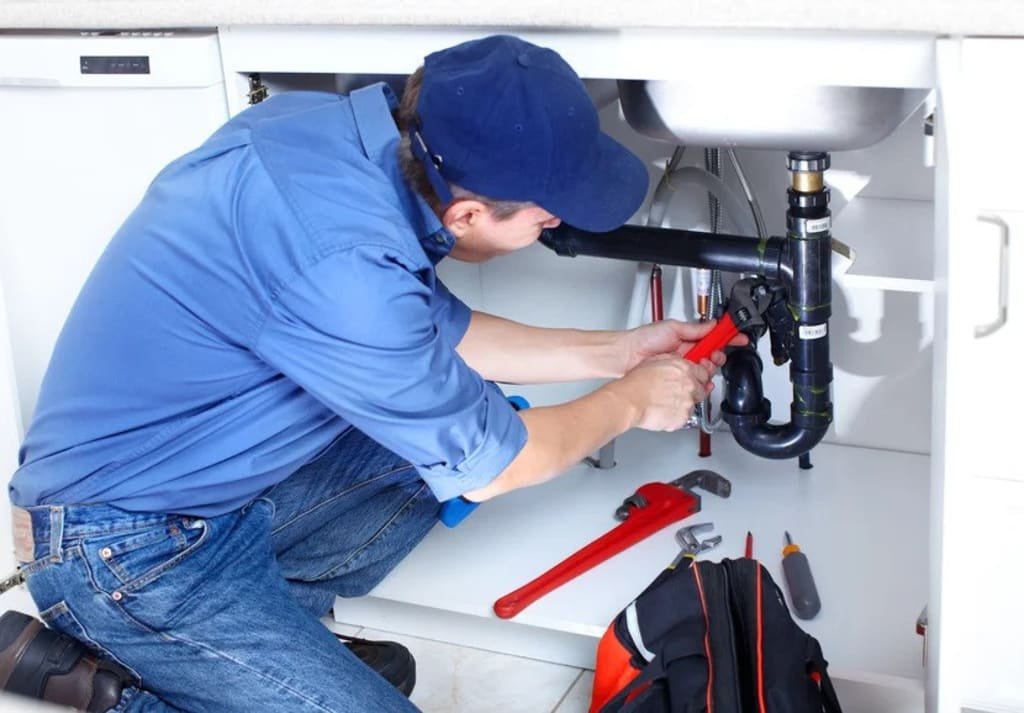
Plumbing emergencies can happen without warning. A burst pipe, overflowing toilet, blocked drain, or sudden loss of water can quickly turn into a major problem for homeowners and businesses. When water begins spreading through floors, walls, or ceilings, every minute matters. Knowing what to do before an emergency plumber arrives can help reduce damage, protect your property, and make the repair process easier.
Understanding how to respond during a serious plumbing issue is just as important as knowing when to call a professional. While some minor plumbing problems can be handled with basic tools and simple repairs, major leaks and failures often require immediate professional attention. Taking the right steps can prevent a stressful situation from becoming an expensive disaster.
Recognize When You Have a Plumbing Emergency
Not every plumbing problem requires an immediate professional visit. A slowly dripping faucet, minor toilet issue, or small leak may be manageable during normal business hours. However, certain situations demand urgent action.
A burst water pipe is one of the most serious plumbing emergencies. A damaged pipe can release a large volume of water in a short period, potentially damaging flooring, furniture, electrical systems, and structural materials. Similarly, a major sewer backup can create unpleasant odors, health concerns, and extensive property damage.
Other situations that may require an emergency plumber include severe water leaks that cannot be stopped, overflowing toilets that continue to fill, a complete loss of water caused by a plumbing failure, frozen and burst pipes, and significant water heater leaks. If the problem is getting worse by the minute, professional help should be contacted as soon as possible.
Shut Off the Main Water Supply
The first step during a major plumbing emergency is to stop the flow of water whenever possible. Locate your home’s main water shut-off valve and turn it off. This valve is typically located near where the main water line enters the property, although its exact location can vary.
Turning off the main water supply can significantly reduce water damage while you wait for professional assistance. If the emergency involves a specific fixture, such as a toilet or sink, you may be able to turn off the smaller shut-off valve connected to that fixture.
Make sure everyone in your household knows where the main shut-off valve is located before an emergency occurs. Taking a few minutes to identify it in advance can save valuable time when a pipe suddenly bursts.
Turn Off the Water Heater if Necessary
If your plumbing emergency involves a water heater, shutting off the unit may be necessary. A leaking or damaged water heater can release large amounts of water and potentially cause additional damage.
For an electric water heater, the power supply should be switched off at the electrical panel if it is safe to do so. For a gas water heater, the gas supply should be turned off according to the manufacturer’s instructions. If you are uncertain about how to safely shut down the system, avoid taking unnecessary risks and wait for a qualified professional.
Never touch electrical equipment if water has reached electrical outlets, wiring, or appliances. In such cases, contact an electrician or emergency services if there is an immediate electrical hazard.
Identify the Source of the Problem
After shutting off the water, try to identify where the problem is coming from. Look for visible leaks around pipes, fixtures, ceilings, walls, or appliances. This information can help an emergency plumber understand the situation more quickly when they arrive.
However, avoid removing walls, opening pipes, or attempting complicated repairs yourself. A leak that appears to come from one location may actually originate somewhere else. Hidden leaks can travel through walls and floors before becoming visible.
If you notice water coming from the ceiling, for example, the source could be a damaged pipe on another floor. Professional plumbers have the tools and experience needed to locate hidden leaks and determine the best repair approach.
Protect Your Property From Further Damage
Once the water supply has been stopped, focus on protecting your belongings. Move furniture, electronics, documents, and other valuable items away from affected areas if it is safe to do so.
Use towels, buckets, or mops to collect standing water when possible. If there is significant flooding, a wet vacuum may help remove water, but only if using the equipment does not create an electrical safety risk.
Open doors and windows when appropriate to improve ventilation and help affected areas dry. Excess moisture can contribute to mold growth and damage building materials, so fast action is important.
If water has reached carpets, wooden flooring, drywall, or insulation, professional water damage restoration may also be necessary after the plumbing repair is completed.
Avoid Temporary Fixes That Could Make Things Worse
When a plumbing emergency occurs, it can be tempting to try a quick repair using tape, glue, or other household materials. While a temporary measure may occasionally slow a small leak, it should not replace professional repairs when there is serious damage.
Using excessive force on valves or fittings can cause additional problems. Pouring chemical drain cleaners into a severely blocked drain can also damage certain pipes and create safety concerns. If you do not know what caused the problem, avoid experimenting with aggressive solutions.
The goal during an emergency is to control the situation safely until an emergency plumber can inspect the system and perform the appropriate repair.
Know When a Blocked Drain Is an Emergency
Some clogged drains are inconvenient but not necessarily emergencies. A slow bathroom sink or shower drain can often wait for a routine service appointment. However, a severe blockage can become urgent when wastewater begins backing up into the property.
A sewer backup is especially serious because contaminated water may contain harmful microorganisms. Avoid direct contact with sewage and keep children and pets away from affected areas.
If multiple drains in the property are blocked at the same time, the issue may involve the main sewer line rather than a single fixture. In this situation, contacting an emergency plumber quickly can help prevent further backups and potential damage.
Prepare Important Information Before the Plumber Arrives
When you contact a professional, provide as much information as possible. Explain what happened, when you first noticed the problem, and whether you have already shut off the water.
Tell the plumber if there is standing water, a visible burst pipe, sewage backup, or water coming through walls or ceilings. Photos or videos of the problem can also be useful if they can be taken safely.
You should also provide information about previous plumbing repairs or recurring issues. Details about the property’s plumbing system can help the professional prepare the appropriate equipment and materials before arriving.
Choose a Qualified Professional
During an emergency, it is natural to call the first available plumber. However, choosing a qualified and reliable professional remains important. Look for a plumber with appropriate licensing, insurance, experience, and a reputation for responding promptly to urgent calls.
A professional emergency plumber should be able to diagnose the problem, explain the necessary repair, and provide information about potential costs before beginning major work whenever practical. Clear communication is especially important during stressful situations.
It is also wise to research local plumbing professionals before an emergency happens. Save a trusted company’s contact information on your phone and keep it somewhere accessible at home.
Prevent Future Plumbing Emergencies
While not every plumbing emergency can be prevented, regular maintenance can reduce the risk of sudden failures. Inspect exposed pipes for corrosion, rust, or visible damage. Repair dripping faucets and leaking fixtures before they become larger problems.
During cold weather, protect vulnerable pipes from freezing. Keep an eye on your water heater and look for signs of corrosion or leakage. Avoid flushing inappropriate materials down toilets and do not put grease or heavy food waste into drains.
Professional plumbing inspections can also identify hidden problems before they become emergencies. Preventive maintenance may cost less than repairing extensive water damage caused by a sudden plumbing failure.
Conclusion
A serious plumbing emergency can be stressful, but knowing how to respond can make a significant difference. Recognizing the warning signs, shutting off the water supply, protecting your property, and contacting an experienced emergency plumber are essential steps when a major plumbing problem strikes.
The most important rule is to prioritize safety. Do not take unnecessary risks with electrical systems, contaminated water, or complicated plumbing repairs. By acting quickly and relying on qualified professionals for serious problems, homeowners and businesses can minimize damage, restore their plumbing systems, and return to normal operations as quickly as possible.