





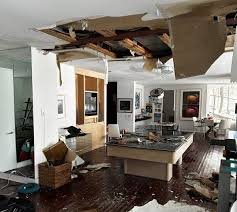
Water damage can strike unexpectedly, whether from a burst pipe, heavy rain, or accidental flooding. It can compromise your home’s structural integrity, damage personal belongings, and create conditions for mold growth if not addressed promptly. Understanding effective water damage restoration strategies is essential to protect your property and restore it to a safe, livable condition. This article explores the top strategies for fast and effective water damage restoration, helping homeowners take timely action.
Understanding Water Damage Restoration
Water damage restoration is the process of repairing and restoring property affected by water intrusion. It involves identifying the source of water, mitigating further damage, drying and dehumidifying affected areas, cleaning and sanitizing surfaces, and repairing or replacing damaged materials. Effective restoration requires a combination of prompt action, proper equipment, and professional expertise.
Water damage can be classified into three main categories. Clean water, typically from broken pipes or faucets, poses minimal health risks but can still cause significant property damage. Gray water, from sources like washing machines or dishwashers, may contain contaminants and requires careful handling. Black water, often from sewage or floodwaters, is highly contaminated and demands professional water damage restoration services to ensure safety.
Immediate Response: The First Step in Water Damage Restoration
When water damage occurs, time is critical. Immediate action can prevent minor water exposure from escalating into severe structural damage. The first step in water damage restoration is to ensure safety by turning off electricity and gas in affected areas. Next, it is important to stop the source of water if possible. This may involve shutting off the main water supply, repairing broken pipes, or using barriers to divert floodwater.
Once the source is controlled, removing excess water is a priority. High-powered pumps, wet vacuums, and mops are commonly used to extract standing water quickly. Prompt water removal reduces the risk of mold growth and further material deterioration. Professional water damage restoration companies often use industrial-grade extraction equipment to accelerate the process and reach areas that are difficult to access.
Drying and Dehumidifying: Preventing Further Damage
After water extraction, thorough drying is essential. Moisture that remains in walls, flooring, and furniture can lead to mold growth and structural weakening. Air movers, dehumidifiers, and specialized drying mats are commonly employed during this phase of water damage restoration. Monitoring moisture levels with hygrometers ensures that affected areas are drying completely.
Effective drying often requires removing wet materials such as carpets, insulation, or drywall. While some items can be salvaged, water-damaged materials must sometimes be replaced to prevent long-term issues. Professional water damage restoration teams know how to assess the extent of damage and determine which items can be restored safely.
Cleaning and Sanitizing Affected Areas
Water damage often brings contamination, especially in cases involving gray or black water. Cleaning and sanitizing affected areas is a crucial part of water damage restoration. Surfaces should be thoroughly disinfected using antimicrobial cleaners to prevent bacterial growth. Personal belongings, furniture, and textiles may require specialized cleaning methods, including dry cleaning, ozone treatments, or HEPA vacuuming.
This step is not only about hygiene but also about safety. Neglecting to sanitize water-damaged areas can lead to health hazards for residents, including respiratory issues and allergic reactions. Professional water damage restoration services ensure that all contaminated materials are treated appropriately, reducing the risk of recurring problems.
Repairing and Restoring Structural Damage
Once water is removed and areas are sanitized, repair and restoration can begin. This phase includes repairing damaged walls, ceilings, and flooring. Drywall replacement, subfloor repairs, and repainting are common tasks. In cases of severe water damage, structural reinforcements may be necessary to restore the home to safe conditions.
Water damage restoration also involves restoring electrical and plumbing systems affected by water intrusion. Skilled technicians inspect wiring, outlets, and pipes to ensure everything is functioning safely. Addressing these issues promptly prevents secondary damage and ensures the home is fully functional once restoration is complete.
Preventing Future Water Damage
While water damage restoration focuses on addressing existing issues, preventing future incidents is equally important. Homeowners can take several steps to reduce the risk of water damage. Regular maintenance of plumbing systems, including inspecting pipes and water heaters, can prevent leaks. Installing sump pumps, backflow valves, and proper drainage systems helps protect basements and foundations from flooding.
Additionally, homeowners should consider water damage restoration plans with professional services that include emergency response. Quick access to water damage restoration experts can significantly reduce the impact of sudden water intrusion, minimizing costs and stress.
The Role of Professional Water Damage Restoration Services
Engaging professional water damage restoration services can make a substantial difference in the recovery process. Experts bring experience, advanced equipment, and specialized knowledge to handle complex water damage situations. They can assess damage accurately, implement efficient drying and dehumidifying methods, and ensure proper cleaning and sanitization.
Professionals also provide documentation for insurance claims, which is often critical for homeowners seeking coverage for water damage repairs. Their expertise ensures that restoration is not only fast but also comprehensive, addressing both visible and hidden issues that could cause future problems.
Conclusion
Fast and effective water damage restoration requires a combination of immediate action, thorough drying and dehumidification, proper cleaning, structural repairs, and preventive measures. By understanding the key strategies for water damage restoration, homeowners can safeguard their property, protect their health, and minimize financial loss. While some measures can be handled personally, professional water damage restoration services are invaluable for severe or complex cases, ensuring a safe and complete recovery for your home. Taking prompt action and employing the right strategies is essential for restoring your home efficiently and effectively.