
Introduction
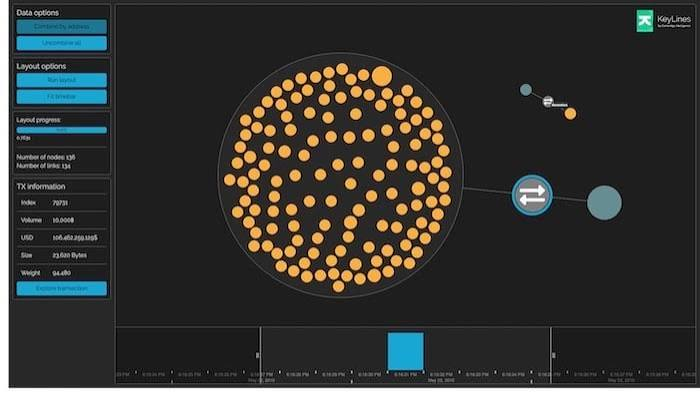
Blockchain technology has transformed the way digital transactions are recorded, verified, and shared. As cryptocurrencies and decentralized applications continue to develop, blockchain networks generate blockchain analytics enormous amounts of data that can reveal valuable information about market behavior. Blockchain analytics helps individuals, businesses, and investors interpret this information to identify emerging trends, understand market movements, and discover potential opportunities.
Unlike traditional financial systems, many public blockchains allow users to examine transaction records, wallet activities, token transfers, and other network information. By analyzing these details, market participants can gain a clearer understanding of how digital assets move through the ecosystem. Although blockchain analytics cannot predict the future with complete accuracy, it provides useful insights that support more informed decisions.
Understanding Blockchain Analytics
Blockchain analytics refers to the process of collecting, organizing, and examining data stored on blockchain networks. The goal is to transform complex transaction records into meaningful information that can help users understand activity across the digital asset market.
Analytical platforms may examine transaction volumes, wallet movements, token distribution, exchange inflows and outflows, network activity, and smart contract interactions. Some tools also combine blockchain information with market prices, trading volumes, and historical performance data.
For example, a sudden increase in transactions involving a particular cryptocurrency may indicate growing interest in the asset. However, the increase could also result from automated activity, internal transfers, or other factors. Analysts therefore consider several indicators together rather than relying on a single metric.
By interpreting blockchain data carefully, users can better understand market conditions and recognize patterns that might otherwise remain difficult to identify.
Identifying Emerging Cryptocurrency Trends
One of the most important benefits of blockchain analytics is its ability to reveal changes in market activity. Investors and researchers can monitor network behavior to understand which assets, applications, or blockchain ecosystems are attracting attention.
Monitoring Transaction Volume
Transaction volume provides information about how frequently digital assets move across a network. A consistent increase in activity may suggest that more users are interacting with a cryptocurrency or decentralized application.
When transaction volume rises alongside market prices and active wallet counts, it may indicate growing adoption or stronger market interest. Conversely, declining activity could suggest reduced engagement.
However, transaction volume should not be interpreted in isolation. A network can experience high transaction activity without a corresponding increase in economic value. Comparing multiple indicators helps analysts develop a more balanced understanding of the trend.
Tracking Active Wallets
Active wallet data helps analysts estimate how many blockchain addresses participate in network activity during a specific period. An increase in active addresses may indicate that more users are sending transactions, using decentralized applications, or interacting with digital assets.
Comparing active wallet trends over several weeks or months can help identify sustained growth rather than temporary fluctuations. Analysts can also examine whether activity is concentrated among a small number of wallets or distributed across a wider group.
Although wallet addresses do not directly reveal the identities of users, activity patterns can still provide valuable information about network participation.
Discovering Opportunities Through Whale Activity
Large cryptocurrency holders are commonly known as whales. Their transactions can attract attention because substantial transfers may affect liquidity, market sentiment, or the distribution of a digital asset.
Blockchain analytics tools allow users to monitor large wallet movements and examine transfers between wallets, exchanges, and decentralized platforms.
For example, a significant transfer of tokens to an exchange may indicate that an investor is preparing to trade, but it does not prove that a sale will occur. The transfer could also be related to custody arrangements, liquidity management, or another operational purpose.
Similarly, withdrawals from exchanges may reflect long-term storage intentions, although other explanations are possible.
The real value of whale tracking comes from combining transaction information with additional evidence, including exchange activity, price movements, trading volume, and broader market conditions. This approach helps users avoid making decisions based on misleading assumptions.
Analyzing Exchange Inflows and Outflows
Exchange flows are another useful indicator for understanding cryptocurrency market behavior. They measure the movement of digital assets into and out of centralized trading platforms.
Exchange Inflows
When large quantities of cryptocurrency move onto exchanges, the available supply for trading may increase. Some analysts interpret substantial inflows as a possible sign of selling pressure, particularly when they occur alongside declining prices or negative market sentiment.
Nevertheless, exchange deposits do not automatically result in sales. Assets may be transferred for collateral, trading, custody, or other purposes.
Exchange Outflows
Exchange outflows occur when assets move from exchanges to external wallets. Some market observers associate sustained outflows with long-term holding behavior or reduced immediately available trading supply.
Blockchain analytics helps users compare these movements across different periods and identify unusual changes. When exchange flows are evaluated alongside liquidity, market capitalization, and trading activity, they can contribute to a more comprehensive market assessment.
Evaluating DeFi and Emerging Blockchain Projects
Decentralized finance, commonly known as DeFi, creates additional opportunities for blockchain analytics. DeFi platforms provide services such as lending, borrowing, token swapping, and liquidity provision through blockchain-based applications.
Analysts can examine indicators such as total value locked, transaction activity, liquidity depth, protocol revenue, and the number of active users to evaluate the development of individual projects.
For example, an increase in total value locked may suggest that more assets are being deposited into a protocol. When this growth is accompanied by rising user activity and sustainable revenue, it may indicate stronger adoption.
However, total value locked can change because token prices rise or fall, even when the amount of deposited cryptocurrency remains relatively stable. Some projects may also attract temporary liquidity through incentives that do not produce lasting engagement.
Careful analysis of multiple indicators can help researchers distinguish sustainable development from short-lived excitement.
Using Historical Data to Recognize Market Patterns
Historical blockchain data enables analysts to compare present activity with previous market conditions. By examining past transaction patterns, liquidity changes, wallet behavior, and network growth, they can identify recurring relationships between blockchain activity and market performance.
For example, researchers might investigate whether increasing network usage has historically coincided with stronger demand for a particular asset. They could also examine how market activity changed during previous periods of uncertainty.
These comparisons help develop hypotheses about potential future scenarios. However, historical relationships do not guarantee similar outcomes in the future. Cryptocurrency markets are affected by regulatory developments, technological changes, macroeconomic conditions, and unpredictable investor behavior.
Combining historical analysis with current information provides a stronger foundation for evaluating opportunities than relying on past price movements alone.
The Role of Artificial Intelligence in Blockchain Analytics
Artificial intelligence and machine learning are making blockchain analytics more advanced. These technologies can process large datasets, identify unusual transaction patterns, and detect relationships that may be difficult to recognize through manual analysis.
Machine learning models can help classify wallet activity, identify potentially suspicious transactions, and highlight changes in network behavior. Automated dashboards can also notify analysts when selected indicators move beyond established thresholds.
For market research, AI-powered tools may help identify emerging ecosystems, unusual token activity, or shifts in user engagement.
Nevertheless, AI-generated insights require careful verification. Incomplete data, misleading correlations, and changing market conditions can reduce the reliability of analytical models. Human judgment remains essential when interpreting results and evaluating potential risks.
Practical Applications for Businesses and Investors
Blockchain analytics supports several practical activities across the digital economy.
Businesses can use network data to understand customer adoption, evaluate decentralized platforms, monitor transaction performance, and identify areas for product development.
Investors can examine liquidity, token distribution, network growth, and exchange activity before researching a digital asset further. Researchers can compare blockchain ecosystems to understand which technologies are gaining practical usage.
Compliance teams can use specialized analytics to investigate suspicious transaction patterns and support financial crime monitoring, subject to applicable laws and privacy requirements.
In each case, the quality of the conclusions depends on data accuracy, analytical methods, and the ability to interpret information within its wider context.
Challenges and Limitations of Blockchain Analytics
Despite its benefits, blockchain analytics has several limitations. Public transaction records do not necessarily reveal the real-world identities, intentions, or relationships of wallet owners. One person may control multiple wallets, while a single wallet may be managed by an organization.
Different blockchain networks also use different technical structures, making cross-chain comparisons challenging. Incomplete labeling, automated transactions, and misleading activity can further complicate analysis.
Market volatility presents another major challenge. Even when analytics identifies a genuine trend, unexpected news or changing investor sentiment can quickly alter market conditions.
Users should therefore verify information through reliable sources, consider multiple indicators, and avoid treating analytical signals as guaranteed predictions. Blockchain analytics is most effective when used as part of a broader research and risk-management process.
Conclusion
Blockchain analytics plays an increasingly important role in identifying market trends and discovering opportunities within the digital asset ecosystem. By examining transaction volumes, active wallets, whale movements, exchange flows, DeFi activity, and historical patterns, users can gain deeper insights into how blockchain markets operate.
Artificial intelligence and advanced analytical tools are expanding these capabilities, making it easier to process large amounts of information and recognize meaningful changes in network behavior.
However, data alone cannot eliminate uncertainty or guarantee successful decisions. The strongest approach combines blockchain analytics with market research, reliable information, critical thinking, and effective risk management. As blockchain adoption continues to evolve, the ability to interpret on-chain data responsibly will remain a valuable skill for businesses, investors, and researchers seeking to understand emerging digital market opportunities.