
Introduction
Packaging is an essential part of the food industry. Restaurants, cafes, takeaway businesses, catering companies, and food manufacturers all depend on packaging to protect products, maintain freshness, and create a positive customer experience. However, packaging expenses can quickly increase operational costs, especially for businesses that use disposable containers, bags, cups, and wrapping materials every day. Finding affordable solutions without compromising quality is therefore an important business priority.
One effective approach is choosing eco friendly food packaging wholesale suppliers. Buying environmentally responsible packaging in bulk can help businesses reduce their purchasing expenses while supporting sustainability goals. With careful planning, businesses can select practical packaging materials, minimize waste, and improve their overall supply chain efficiency.
Understanding how wholesale purchasing works and which strategies offer the greatest savings can help food businesses make smarter packaging decisions.
1. Purchase Packaging Materials in Bulk
Buying packaging products in larger quantities is one of the simplest ways to reduce costs. Wholesale suppliers generally offer lower prices per unit compared with smaller retail purchases. Businesses that regularly use takeaway containers, paper bags, food boxes, and disposable cups can benefit significantly from bulk ordering.
Before placing a large order, companies should review their average packaging consumption. Understanding weekly and monthly requirements helps prevent unnecessary purchases while ensuring sufficient stock is available.
Bulk purchasing also reduces the frequency of orders, saving time and transportation expenses. Instead of repeatedly purchasing small quantities, businesses can arrange scheduled deliveries that support consistent inventory management.
However, businesses should consider available storage space and product shelf life before purchasing large quantities. A balanced purchasing strategy prevents overstocking and unnecessary expenses.
2. Choose Cost-Effective Sustainable Materials
Eco-friendly packaging comes in different materials, each offering specific advantages and pricing structures. Choosing the right option can help businesses control expenses while reducing environmental impact.
Common sustainable packaging materials include:
- Recycled paper: Suitable for bags, wrapping, and certain food boxes.
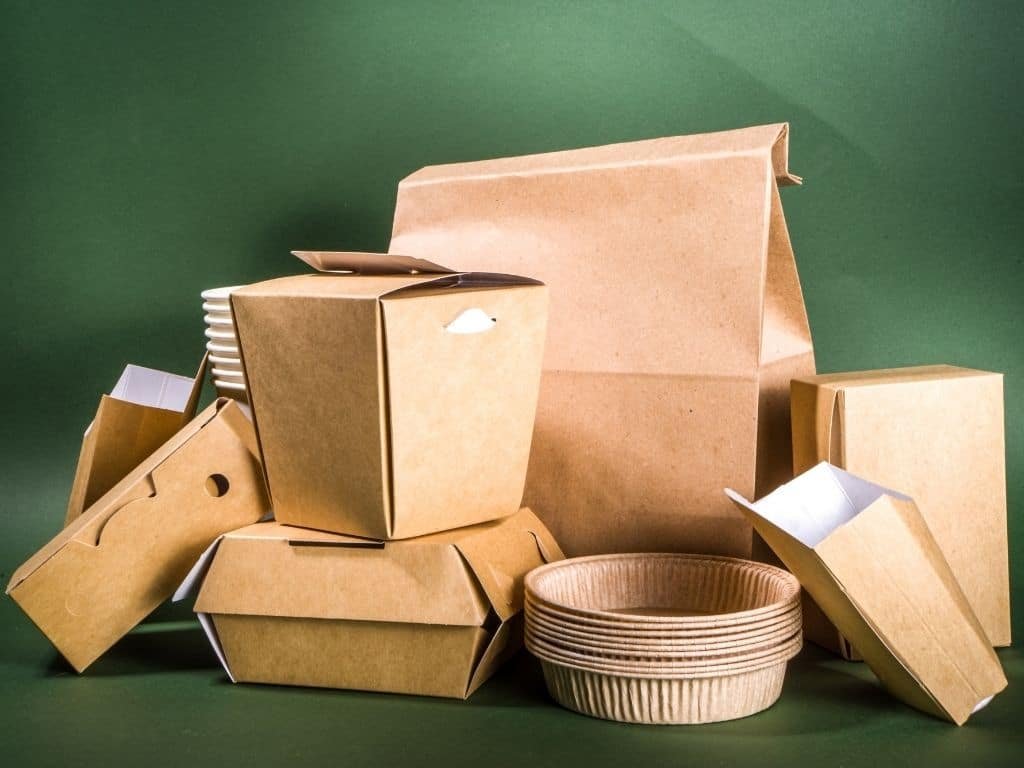
- Kraft paper: A practical option for takeaway packaging and food carriers.
- Bagasse: Made from sugarcane fiber and commonly used for food containers.
- Molded fiber: Useful for trays, protective inserts, and takeaway products.
- Compostable materials: Designed to break down under appropriate composting conditions.
The most affordable material depends on the product, order quantity, supplier, and intended application. Businesses should compare prices alongside durability, food safety, and performance.
Choosing suitable materials rather than automatically selecting the cheapest option can prevent product damage and additional replacement expenses.
3. Work with Reliable Wholesale Suppliers
Selecting the right supplier plays an important role in reducing long-term packaging costs. A dependable wholesale partner can offer competitive prices, consistent product quality, flexible ordering options, and reliable delivery schedules.
Businesses should compare multiple suppliers before making purchasing decisions. Important factors include minimum order quantities, shipping charges, product specifications, available materials, and customer service.
A supplier offering slightly higher product prices may still provide better overall value if delivery is faster and packaging quality is more consistent.
When evaluating eco friendly food packaging wholesale providers, businesses should also request product samples. Testing packaging before committing to a large order helps identify potential problems involving leakage, strength, temperature resistance, and food compatibility.
Building a long-term relationship with a trusted supplier may also create opportunities for negotiated pricing and customized purchasing arrangements.
4. Select Packaging Sizes That Match Food Products
Using oversized packaging can increase material expenses and shipping costs. It may also create unnecessary waste because additional material is used without providing meaningful benefits.
Food businesses should choose packaging sizes based on their actual menu items and serving portions.
For example, a small takeaway meal does not necessarily require a large container. Similarly, appropriately sized cups, bowls, and paper bags can reduce material consumption while improving product presentation.
Standardizing packaging sizes across different menu categories can make purchasing easier. Instead of maintaining numerous container varieties, businesses can identify a few versatile options that accommodate multiple products.
This strategy simplifies inventory management, reduces storage requirements, and may allow companies to purchase larger quantities of fewer packaging styles.
5. Reduce Unnecessary Packaging Components
Another effective way to control expenses is eliminating packaging components that customers do not need.
Some takeaway businesses automatically include extra napkins, plastic utensils, individual sauce containers, and additional wrapping with every order. Although these items may appear inexpensive individually, their combined cost can become substantial over time.
Businesses can introduce optional packaging accessories during online ordering or at checkout. Customers who need disposable utensils can request them, while others can choose to exclude unnecessary items.
This approach reduces purchasing requirements and helps prevent avoidable waste.
Companies can also evaluate whether certain products need multiple layers of wrapping. Using one appropriately designed container instead of several separate components can simplify packaging operations and reduce overall material consumption.
6. Invest in Packaging That Improves Storage and Transportation
Packaging costs involve more than the purchase price of individual products. Storage, handling, transportation, and product damage can also affect total expenses.
Well-designed packaging can improve efficiency throughout the supply chain. Stackable containers, foldable paper boxes, and lightweight packaging products can help businesses use storage and transportation space more effectively.
For takeaway restaurants and delivery companies, packaging should also protect food during transportation. Containers that prevent spills and maintain structural strength can reduce complaints, refunds, and replacement orders.
Businesses should evaluate packaging performance under realistic operating conditions. A slightly more expensive container may provide greater long-term savings if it reduces damaged orders and improves customer satisfaction.
7. Compare Total Costs Instead of Unit Prices
Choosing packaging based only on its advertised unit price can lead to poor purchasing decisions. Businesses should calculate the total cost of acquiring, storing, and using each packaging product.
For example, a supplier may offer inexpensive containers but charge higher shipping fees. Another supplier may have a higher product price but provide free delivery on qualifying wholesale orders.
Other expenses to consider include:
- Shipping and transportation charges.
- Minimum order requirements.
- Storage and inventory expenses.
- Product quality and durability.
- Custom printing and branding fees.
- Potential damage and replacement costs.
Comparing these factors provides a clearer picture of actual packaging expenses.
Businesses looking for eco friendly food packaging wholesale solutions should request detailed quotations from different suppliers. Comparing complete pricing information makes it easier to identify the most economical purchasing arrangement.
8. Use Simple and Practical Packaging Designs
Custom packaging can help businesses strengthen their brand identity, but elaborate designs may increase production expenses.
Special finishes, multiple printing colors, unusual shapes, and complicated construction can raise manufacturing costs. Small businesses with limited budgets may benefit from simpler packaging designs.
Kraft paper containers, minimal printed logos, and clean product labeling can create an attractive appearance without requiring expensive customization.
Businesses can also use stickers or printed labels to add branding to standard wholesale packaging. This approach provides flexibility because the same packaging products can serve different menu items or seasonal promotions.
A simple design can communicate professionalism while keeping packaging expenses manageable.
9. Monitor Inventory and Avoid Packaging Waste
Poor inventory management can create unnecessary costs. Businesses that order without tracking consumption may accumulate unused packaging or experience unexpected shortages.
An organized inventory system helps companies understand how much packaging they use and when additional supplies are needed.
Managers should regularly monitor stock levels, record purchasing patterns, and identify products that move quickly. This information supports more accurate wholesale ordering.
The first-in, first-out inventory method can also help businesses use older packaging stock before newer deliveries.
Regular inventory reviews make it easier to identify damaged materials, unnecessary product varieties, and opportunities to negotiate better wholesale prices.
10. Evaluate Long-Term Environmental and Financial Benefits
Sustainable packaging can offer benefits beyond immediate purchasing savings. Businesses that reduce unnecessary materials and improve packaging efficiency may lower their overall environmental footprint.
Customers are also becoming increasingly interested in responsible business practices. Food companies that use suitable recyclable, compostable, or responsibly sourced materials can communicate their environmental commitments more effectively.
However, businesses should avoid assuming that every product labeled environmentally friendly is automatically recyclable or compostable everywhere. Local waste management facilities and disposal conditions matter.
Checking certifications, material specifications, and supplier documentation helps ensure that sustainability claims are accurate.
Combining environmental responsibility with practical cost management creates a stronger foundation for long-term business growth.
Conclusion
Reducing packaging expenses does not require businesses to sacrifice quality or environmental responsibility. Through bulk purchasing, careful material selection, reliable supplier partnerships, and better inventory management, food businesses can achieve meaningful savings.
Choosing the right packaging sizes, simplifying designs, eliminating unnecessary accessories, and comparing total purchasing costs can further improve operational efficiency.
Investing in eco friendly food packaging wholesale solutions allows restaurants, cafes, catering companies, and food manufacturers to balance affordability with sustainability. By making informed purchasing decisions and regularly reviewing packaging requirements, businesses can control expenses, reduce waste, and deliver a better experience to their customers.
Ultimately, successful packaging management is about finding the right balance between price, performance, convenience, and environmental responsibility.