
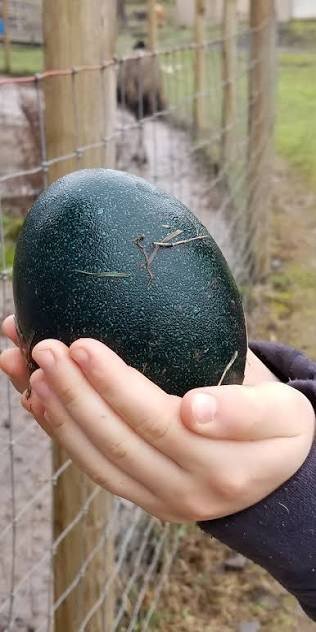
Emu eggs attract the attention of poultry enthusiasts, small-scale farmers, exotic bird keepers, and collectors because of their unusual appearance, impressive size, and distinctive dark green shells. Whether emu egg for sale near me someone wants to explore emu farming, expand an existing bird-keeping project, or add an unusual specimen to a collection, finding an emu egg for sale near me can be an exciting starting point. However, choosing the right egg requires careful research, a clear understanding of its intended purpose, and attention to the seller’s reputation.
Before making a purchase, buyers should understand the differences between fertile eggs, unfertilized eggs, and decorative eggs. Each serves a different purpose, and selecting the appropriate type helps avoid unnecessary expenses and disappointment.
Understanding the Different Types of Emu Eggs
Emu eggs are known for their deep green to nearly black-green shells, which make them stand out from ordinary chicken and duck eggs. Their large size and textured appearance also make them interesting to farmers and collectors.
However, not every emu egg available for purchase is suitable for incubation. Buyers should identify their needs before contacting a seller.
Fertile emu eggs are intended for incubation and potentially hatching an emu chick. Their success depends on several factors, including fertility, freshness, handling, storage conditions, and incubation management. Purchasing a fertile egg does not guarantee that a chick will hatch.
Unfertilized emu eggs may be suitable for culinary or educational purposes, depending on local regulations and how the eggs were produced and handled. They cannot develop into chicks.
Decorative emu eggs are often purchased for display, craft projects, or educational collections. Some are empty shells, while others may be preserved specimens. Buyers should confirm the condition of the shell and whether it has been altered.
Understanding these categories makes it easier to find an egg that matches a farming or collecting objective.
Where to Find an Emu Egg for Sale Near Me
Finding emu eggs locally often begins with researching breeders, specialty poultry farms, and agricultural networks. Since emus are less common than traditional poultry, availability can vary significantly by region and season.
Contact Local Emu Breeders
Dedicated emu breeders are often a useful starting point for buyers seeking fertile eggs. They may understand breeding schedules, egg collection, handling, and the needs of developing emu chicks.
When contacting a breeder, ask about the birds’ breeding history, egg collection dates, storage practices, and whether the eggs are intended for incubation. A reputable seller should explain what they can reasonably guarantee and what remains uncertain.
Buyers should also ask whether the breeder has experience supplying eggs to customers who are new to emu farming.
Explore Specialty Poultry Farms
Some farms raise several types of poultry and may also keep ratites, the bird group that includes emus and ostriches. These farms may occasionally offer emu eggs, depending on their breeding programs.
Visiting a farm, when permitted, can provide an opportunity to learn about the animals, observe their living conditions, and discuss the responsibilities involved in raising emus.
Ask Agricultural Communities
Local farming associations, poultry clubs, and agricultural events can help buyers identify established breeders. Community recommendations may provide useful background about seller reliability, although independent verification is still important.
Buyers should be cautious about anonymous advertisements that offer unusually low prices, make unrealistic hatching promises, or refuse to answer basic questions about the eggs.
Important Factors to Consider Before Buying
The quality of an emu egg depends on more than its appearance. Buyers should consider its intended use, condition, source, and suitability for transport.
Egg Condition and Freshness
For incubation purposes, ask when the egg was collected and how it has been stored. Excessive delays, unsuitable temperatures, and rough handling can reduce the chances of successful development.
Inspect the shell for visible cracks, leaking, or other damage. A clean-looking shell does not necessarily indicate fertility, so appearance alone should not determine whether an egg is suitable for hatching.
For decorative collecting, minor surface variations may be acceptable, but structural damage can affect the egg’s display value.
Seller Reputation
A trustworthy seller should provide clear information about the egg’s origin, intended use, handling, and price. They should also be willing to explain any limitations or uncertainties associated with the purchase.
Ask whether the seller has references, records of previous sales, or relevant experience raising emus. Avoid sellers who pressure buyers into making immediate payments without providing sufficient information.
Price and Availability
Emu egg prices vary according to location, season, fertility claims, breeder reputation, transport arrangements, and whether the egg is intended for hatching or display.
Compare several sellers before making a decision. A higher price does not automatically mean better quality, and an unusually inexpensive egg may involve additional risks.
Remember to include transport, suitable equipment, and other necessary expenses when calculating the overall cost of an egg intended for farming.
Preparing for Emu Farming
Buying a fertile emu egg is only one part of establishing an emu-raising project. Prospective farmers should research the species’ needs before making a purchase.
Emus are large, active birds that require secure outdoor space, suitable fencing, appropriate shelter, and access to clean water. Their housing must allow them to move comfortably while providing protection from predators and extreme weather.
Nutrition is another important consideration. Growing emus have specific dietary requirements, so owners should seek advice from a veterinarian or an experienced ratite breeder about suitable feed and development stages.
Farmers should also understand the time, money, and daily care involved in raising emus. These birds can live for many years, meaning that purchasing an egg may create a long-term commitment if it successfully hatches.
Before investing in hatching eggs, prepare a realistic budget covering equipment, housing, feed, veterinary care, and ongoing maintenance.
What Collectors Should Know About Emu Eggs
Emu eggs can be attractive additions to natural-history collections, educational displays, and decorative arrangements. Their distinctive coloration makes them especially interesting to people who appreciate unusual natural objects.
Collectors should first determine whether they want an intact egg, an empty shell, or a preserved specimen. Each option has different handling requirements and may have different legal considerations.
An intact egg can be fragile, so it should be handled carefully and displayed in a stable location away from direct impacts. Collectors should also ask whether the shell has been cleaned, emptied, preserved, or treated with any materials.
When purchasing an egg for educational or decorative purposes, request accurate information about its origin. This helps distinguish a genuine specimen from a reproduction or an altered shell.
Responsible collecting also means ensuring that eggs come from lawful, reputable sources rather than from activities that threaten wildlife or violate animal-protection regulations.
Understanding Transport and Legal Requirements
Transporting emu eggs requires consideration of both physical protection and local regulations. Eggs intended for incubation can be sensitive to rough handling, temperature fluctuations, and unsuitable storage during delivery.
Ask the seller how the egg will be packaged, whether collection in person is possible, and what arrangements are available if shipping is necessary. Buyers should understand that careful packaging can reduce damage but cannot eliminate every risk.
Legal requirements may differ depending on the country, province, or destination. Rules can cover the possession of emus, breeding activities, animal transport, and the movement of eggs across regional or international borders.
Before ordering, verify applicable requirements with the relevant agricultural or wildlife authorities. Importing eggs may involve additional permits, veterinary documentation, or biosecurity restrictions.
These checks are especially important when buying from a seller located outside the buyer’s immediate area.
Questions to Ask Before Purchasing
A short conversation with a seller can help clarify whether an emu egg is appropriate for a particular project.
Consider asking the following questions:
- Is the egg fertile, unfertilized, or intended for decorative use?
- When was it collected, and how has it been stored?
- Can the seller explain the egg’s origin and condition?
- What packaging or collection arrangements are available?
- Are there any local permits or transport restrictions to consider?
- What support or information can the seller provide after purchase?
Clear answers help buyers make informed decisions and reduce misunderstandings.
Conclusion
Finding an emu egg for sale near me for farming or collecting requires thoughtful research, careful seller selection, and a clear understanding of the egg’s intended purpose. Local emu breeders, specialty farms, and agricultural communities can help buyers discover available options and learn more about these remarkable birds.
Before purchasing, confirm whether the egg is fertile or decorative, evaluate its condition, compare prices, and investigate applicable regulations. Anyone planning to hatch an emu should also prepare suitable housing, equipment, nutrition, and long-term care arrangements.
With proper preparation and responsible sourcing, buying an emu egg can become a rewarding introduction to ratite farming or an interesting addition to a natural-history collection. The best purchase is not simply the closest or cheapest egg, but one that comes from a reliable source and matches the buyer’s goals.