
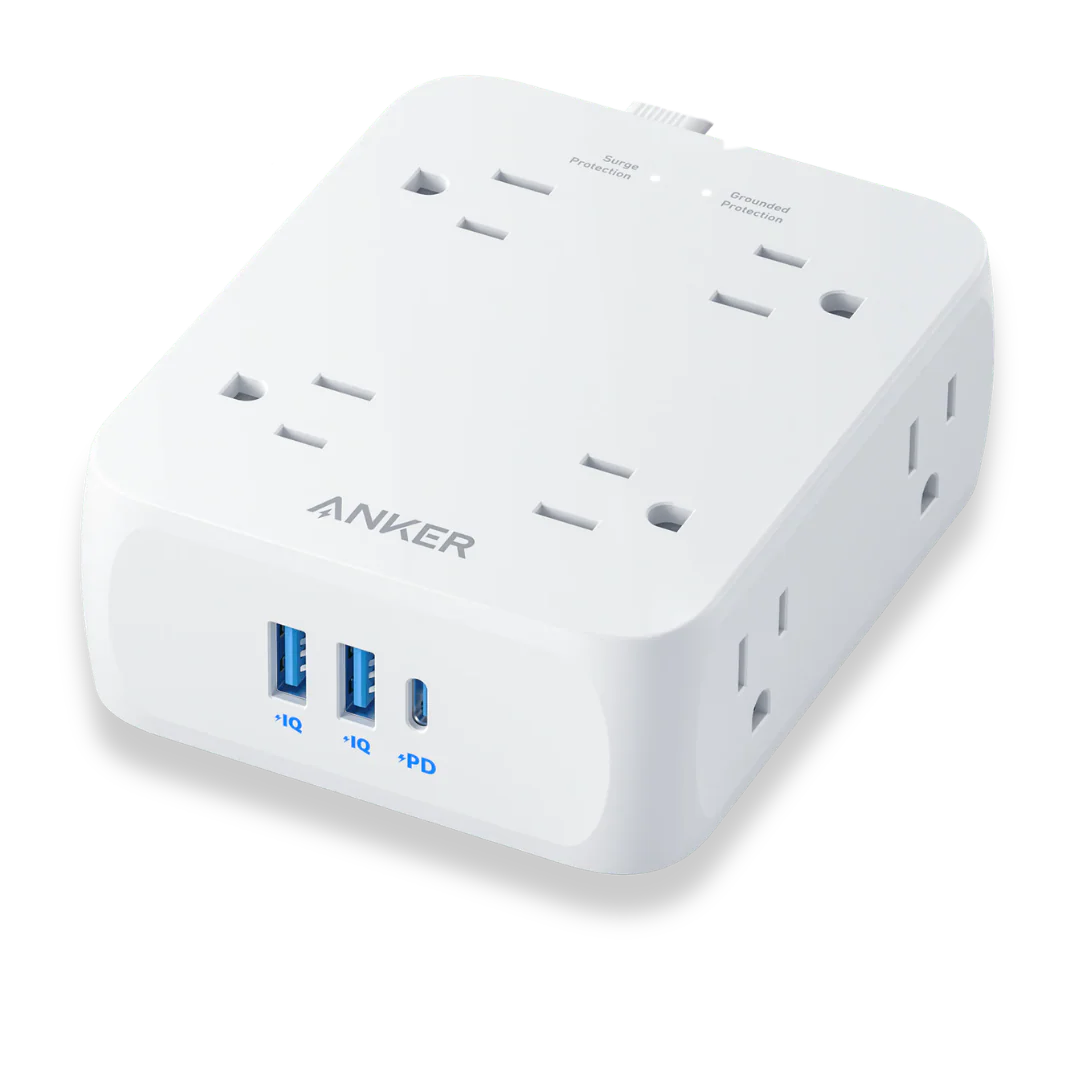
Modern life depends on electronic devices that need regular and reliable charging. Smartphones, tablets, laptops, wireless headphones, smartwatches, and other gadgets have become essential tools for communication, productivity, and entertainment. However, keeping all these devices powered can be challenging, especially when multiple chargers and electrical outlets are required. A Power Strip With USB-C PD offers a convenient solution by combining traditional power outlets with advanced USB-C Power Delivery technology. It simplifies everyday charging while helping users organize their electronic equipment more efficiently.
A reliable charging setup can make a significant difference in homes, offices, and shared workspaces. By choosing the right charging accessories, users can reduce cable clutter, save time, and maintain a more organized environment.
Understanding USB-C Power Delivery Technology
USB-C Power Delivery, commonly known as USB-C PD, is a fast-charging technology designed to provide compatible electronic devices with appropriate power levels. Unlike basic USB charging, which may deliver limited power, USB-C PD supports higher wattage and intelligent power negotiation between the charger and connected device.
When a compatible device is connected, the charging equipment communicates with it to determine the appropriate voltage and current. This process helps deliver suitable power according to the device’s charging requirements.
For example, smartphones may require less power than laptops or tablets. A USB-C PD charging station can support different devices without requiring users to carry several individual charging adapters. However, the actual charging speed depends on the power output supported by the charging port, cable, and connected device.
Reducing the Need for Multiple Charging Adapters
One of the biggest advantages of a Power Strip With USB-C PD is its ability to reduce dependence on separate charging adapters. Traditional charging arrangements often require a dedicated wall adapter for every device. This can quickly occupy available electrical outlets and create an untidy workspace.
With integrated USB-C PD ports, users can connect compatible devices directly using USB-C cables. This eliminates the need for separate adapters for supported equipment.
A single charging station can potentially support several devices, including smartphones, tablets, and laptops, depending on its available power capacity.
This arrangement is particularly useful for families, students, remote workers, and office employees who regularly charge multiple electronic products. Instead of searching for available outlets, users can connect their devices to one conveniently located power strip.
Improving Charging Efficiency for Modern Devices
Charging efficiency is an important consideration when selecting accessories for modern electronics. USB-C PD technology helps compatible devices receive suitable power more efficiently than many basic USB charging solutions.
For individuals who frequently use laptops and smartphones throughout the day, faster charging can reduce interruptions. A laptop that supports USB-C charging, for example, may receive sufficient power through a compatible PD port without requiring its original bulky adapter.
Users should always check the power rating of the charging station before connecting high-demand devices. Some models provide different wattage levels across their USB-C ports, while others distribute available power among connected devices.
Understanding these specifications helps users choose equipment that matches their everyday charging requirements.
Keeping Home and Office Workspaces Organized
Cable management is another important benefit of modern charging accessories. Multiple adapters, tangled cables, and crowded outlets can make workspaces uncomfortable and difficult to manage.
A Power Strip With USB-C PD provides a centralized location for connecting compatible electronics. This arrangement can reduce unnecessary clutter and make frequently used devices easier to access.
In a home office, users can organize laptop chargers, smartphone cables, desk lamps, and other electronics around one power management solution. In shared office environments, a centralized charging station can provide convenient access for employees and visitors.
Better organization also makes it easier to identify damaged cables, disconnect unused equipment, and keep frequently used charging accessories within reach.
The Importance of Built-In Surge Protection
Charging convenience should never come at the expense of electrical safety. Electronic devices can be vulnerable to sudden voltage increases caused by lightning-related electrical disturbances, utility switching, or other power events.
A Surge Protector Power Strip can help protect connected electronics against certain voltage surges by limiting excess voltage and redirecting excess energy through its protective components.
When selecting a charging station, users should distinguish between an ordinary power strip and a genuine surge protector. Not every power strip includes surge protection simply because it has several outlets or USB ports.
Important specifications to review include the joule rating, clamping voltage, indicator lights, and the manufacturer’s safety certifications. Users should also understand that surge protectors do not guarantee protection against every electrical problem.
Combining USB-C PD charging with appropriate surge protection can create a more convenient and protective charging arrangement for compatible electronics.
Supporting Multiple Devices at the Same Time
Modern households and workplaces often contain several electronic devices that need charging simultaneously. Managing these devices individually can be inconvenient, particularly when electrical outlets are limited.
A charging power strip with multiple USB-C and traditional AC outlets can support different equipment from one location. For example, someone working from home might charge a laptop and smartphone while keeping a monitor and desk lamp connected to conventional outlets.
Some models also include standard USB-A ports for older accessories, making them useful for households with a mixture of modern and previous-generation electronics.
However, users should pay attention to the total power capacity and charging distribution. Connecting multiple high-power devices may reduce the available charging output for individual ports. Checking the manufacturer’s specifications helps prevent unrealistic expectations.
Choosing the Right Power Strip With USB-C PD
Not every charging station offers the same features. Selecting an appropriate model requires considering the devices that will be connected and the amount of power they need.
Several factors deserve attention:
USB-C PD Output
Check the maximum wattage supported by each USB-C port. A smartphone may charge adequately with a lower output, while many laptops require substantially more power. Choose a model that meets the requirements of the most demanding device.
Number of Charging Ports
Consider how many devices need to be connected regularly. Multiple USB-C ports can be particularly useful for households and offices where several people share the same charging station.
Total Power Capacity
Review the combined output available when several devices are charging simultaneously. A high individual port rating does not necessarily mean every port can deliver maximum power at the same time.
Surge Protection Features
If protection against electrical surges is important, select a model specifically designed and rated for that purpose. Review its safety documentation, surge specifications, and indicator features.
Build Quality and Cable Design
A durable enclosure, properly rated power cord, stable plug, and well-spaced outlets contribute to convenient everyday use. A longer cord may also provide more flexibility when arranging a desk or entertainment area.
Making Charging More Convenient While Traveling and Working
Portable electronic devices have made flexible working arrangements increasingly common. Students may study in libraries, professionals may work from shared offices, and travelers may need to charge several gadgets in hotel rooms.
A compact charging station with USB-C PD can make these situations easier by reducing the number of separate adapters required.
Before traveling, users should check the product’s voltage compatibility, plug type, and applicable electrical standards. A power strip designed for one country’s electrical system may not be suitable for another without an appropriate solution.
For people who frequently move between locations, choosing a lightweight and compact model can improve convenience without sacrificing essential charging functionality.
Understanding Safe Charging Practices
Even a well-designed charging station requires responsible use. Users should avoid connecting equipment that exceeds the power strip’s rated capacity.
High-power appliances, such as space heaters and certain kitchen devices, should not be connected unless the manufacturer explicitly permits their use. Power strips should also be kept away from moisture, excessive heat, and areas where cables may become damaged.
It is important to inspect charging cables and plugs regularly. Frayed insulation, loose connections, unusual heat, or burning smells may indicate an electrical problem that requires immediate attention.
Users should also avoid connecting one power strip to another, as this can create an overloaded electrical arrangement.
Following these basic precautions helps maintain a safer and more dependable charging environment.
The Future of Convenient Device Charging
As electronic devices continue to adopt USB-C connectivity, integrated charging solutions are becoming increasingly valuable. Many modern smartphones, tablets, laptops, and accessories already support USB-C, making Power Delivery technology a practical choice for everyday power management.
Future charging stations may offer improved power distribution, smarter energy monitoring, more efficient charging components, and additional connectivity options.
For households and businesses, investing in compatible charging equipment can help simplify daily routines and reduce the need for multiple adapters.
Conclusion
A Power Strip With USB-C PD offers a practical way to manage the growing number of electronic devices used in modern homes and workplaces. By combining convenient USB-C charging, traditional electrical outlets, and potentially integrated surge protection, it helps reduce cable clutter and simplify everyday power management.
Choosing a model with suitable charging output, sufficient ports, reliable construction, and appropriate safety features is essential. A properly selected Surge Protector Power Strip can provide additional protection against certain electrical surges while supporting a more organized charging environment.