
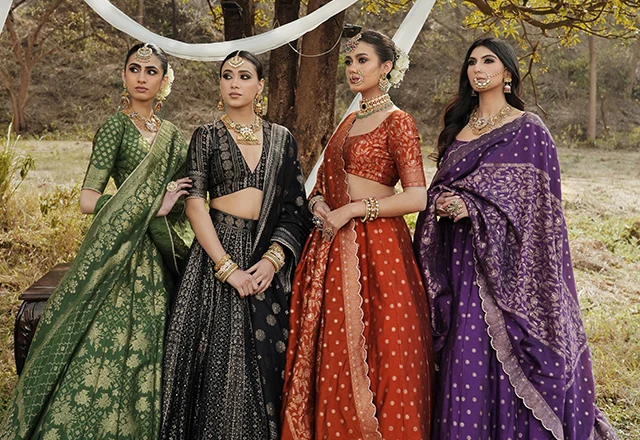
When it comes to dressing up for traditional occasions, weddings, and festive celebrations, Indian ethnic wear offers an unparalleled canvas of colors, textures, and heritage craftsmanship. From regal silk sarees and heavily embellished lehengas to sleek salwar kameez sets and modern fusion silhouettes, the choice of outfit often hinges on one crucial decision: selecting the right color palette.
For decades, traditional fashion was dominated by deep, saturated shades like deep red, royal blue, emerald green, and bright marigold yellow. However, modern trends have introduced soft pastels—blush pink, powder blue, mint green, lavender, and muted champagne—into the spotlight. Both bold colors and soft pastels bring unique energy, symbolism, and aesthetic appeal to Indian ethnic wear. Deciding between the two depends on multiple factors, including skin undertones, event timing, venue settings, and personal style goals.
The Timeless Appeal of Bold Colors in Indian Ethnic Wear
Bold colors are deeply rooted in Indian culture, tradition, and symbolism. Vibrant hues have historically represented joy, prosperity, passion, and celebration. In traditional ceremonies, especially weddings, bright palettes have remained the undisputed classic choice for generations.
Deep Reds, Maroons, and Crimson
Red is undeniably the most iconic hue in Indian ethnic wear. Symbolizing love, commitment, and good fortune, red and its deeper variations—such as maroon, burgundy, and wine—are staples for bridal lehengas, silk sarees, and festive wear. Deep red reflects rich heritage and pairs beautifully with traditional gold, polki, or kundan jewelry.
Royal Blues and Regal Emerald Greens
Jewel tones like royal blue, sapphire, emerald green, and deep teal bring instant drama and grandeur to any ensemble. These rich shades work exceptionally well on plush fabrics such as velvet, raw silk, and brocade. A dark emerald green lehenga or a majestic royal blue silk saree commands attention while exuding sophistication and poise.
Sun-Kissed Yellows and Vibrant Oranges
Associated with warmth, positivity, and sacred rituals, bright yellow and vibrant orange are classic choices for pre-wedding celebrations like Haldi and Mehendi functions. A bright yellow Anarkali or an orange zari-embroidered saree adds effortless cheer and radiance to daytime festivities.
Advantages of Choosing Bold Colors
- Dramatic Impact: Rich, high-contrast tones make a strong visual statement and stand out strikingly in photographs.
- Cultural Authenticity: Deep jewel tones and rich reds embody centuries of traditional craftsmanship and festive symbolism.
- Flattering across Lighting: Darker hues naturally contour the silhouette and maintain their visual richness under intense evening lighting.
The Rise of Pastels in Modern Indian Ethnic Wear
In recent years, pastel shades have revolutionized the world of fashion, offering a contemporary, elegant alternative to classic jewel tones. Driven by modern minimalism, intimate destination weddings, and evolving aesthetic preferences, pastels have become a favorite among modern brides, bridesmaids, and wedding guests alike.
Blush Pink and Peach
Soft blush pink and warm peach tones radiate subtle femininity and romance. Blush pink lehengas, decorated with delicate silver threadwork or pearl embroidery, create a soft, ethereal bridal look that feels fresh and sophisticated.
Mint Green and Seafoam
Cool shades of mint green and seafoam bring a refreshing, serene vibe to traditional ensembles. These colors work exceptionally well on light fabrics like organza, georgette, and net, making them ideal for spring and summer events.
Powder Blue and Lavender
Lavender and powder blue represent the perfect blend of modern elegance and traditional charm. A powder blue sharara set or a lavender embroidered saree offers a unique, serene visual appeal without feeling overwhelming.
Ivory, Champagne, and Nude Tones
Subtle champagne, cream, and warm ivory shades have redefined understated luxury in Indian ethnic wear. When paired with intricate chikankari, mirror work, or tone-on-tone embroidery, these sophisticated neutrals exude timeless elegance.
Advantages of Choosing Pastels
- Soft, Ethereal Charm: Pastels evoke a light, dreamy aesthetic that feels relaxed and contemporary.
- Daytime Perfection: Soft hues perform brilliantly under natural daylight and outdoor settings.
- Versatile Jewelry Pairing: Pastel garments provide a neutral backdrop that allows statement diamond, emerald, or gemstone jewelry to take center stage.
Key Factors to Consider When Choosing Your Color Palette
Selecting between bold jewel tones and soft pastels is not simply a matter of personal preference; it also depends on several practical factors that influence your overall look.
1. Timing and Venue of the Event
- Daytime Functions: Natural sunlight enhances the subtle undertones of pastel shades. Soft pinks, mints, lavenders, and muted yellows are naturally suited for daytime outdoor events, garden weddings, and beachside ceremonies.
- Evening and Nighttime Celebrations: Artificial lighting, spotlights, and ambient evening setups call for deep, saturated tones. Bold shades like navy blue, emerald green, deep red, and dark violet hold their depth and luster remarkably well under evening lights.
2. Fabric and Embellishment Styles
- Heavy Fabrics: Luxurious, heavy fabrics like velvet, raw silk, tissue, and heavy brocade naturally complement bold, dark colors, accentuating their texture and metallic gold embroidery.
- Flowy Fabrics: Lightweight, flowing fabrics such as chiffon, georgette, organza, and net pair effortlessly with delicate pastel palettes, highlighting graceful drape and subtle embellishments.
3. Understanding Skin Undertones
- Warm Undertones: Golden, olive, or warm skin undertones pair beautifully with rich reds, bright yellows, corals, warm golds, and muted peaches.
- Cool Undertones: Cool or pink undertones are complemented by deep royal blues, berry shades, mint green, icy blues, and soft lavender.
- Neutral Undertones: Those with neutral undertones enjoy the flexibility to pull off both striking bold colors and delicate pastels with equal grace.
How to Balance Both: The Hybrid Color Approach
If you find yourself torn between the dramatic charm of bold shades and the understated elegance of pastels, you do not necessarily have to restrict yourself to just one category. Modern design techniques allow you to combine both palettes harmoniously:
- Contrasting Dupattas: Pair a pastel pastel-toned lehenga or Anarkali with a deep, boldly colored dupatta (such as a mint green suit with a deep emerald or maroon dupatta) to add immediate contrast and focal interest.
- Dual-Toned Ensembles: Choose garments featuring Ombré shading or color-blocked panels that smoothly transition from a soft pastel base to a richer, bolder border.
- Intricate Multicolor Embroidery: Incorporate vibrant, bold threadwork, floral motifs, or mirror work onto a neutral, pastel-base fabric to strike the perfect visual equilibrium.
Final Thoughts
Both bold colors and soft pastels carry distinct beauty and elegance within the realm of Indian ethnic wear. Deep reds, royal blues, and emerald greens offer timeless grandeur, dramatic flair, and rich cultural heritage that excel in evening celebrations and classic traditional settings. On the other hand, pastel shades bring modern minimalism, romantic softness, and effortless charm, making them ideal for daytime festivities and intimate gatherings.
Ultimately, the best color choice is one that reflects your personal confidence, suits the occasion, and complements your unique style. By considering the venue, lighting, fabric, and skin undertones, you can select the perfect palette to elevate your traditional wardrobe effortlessly.