





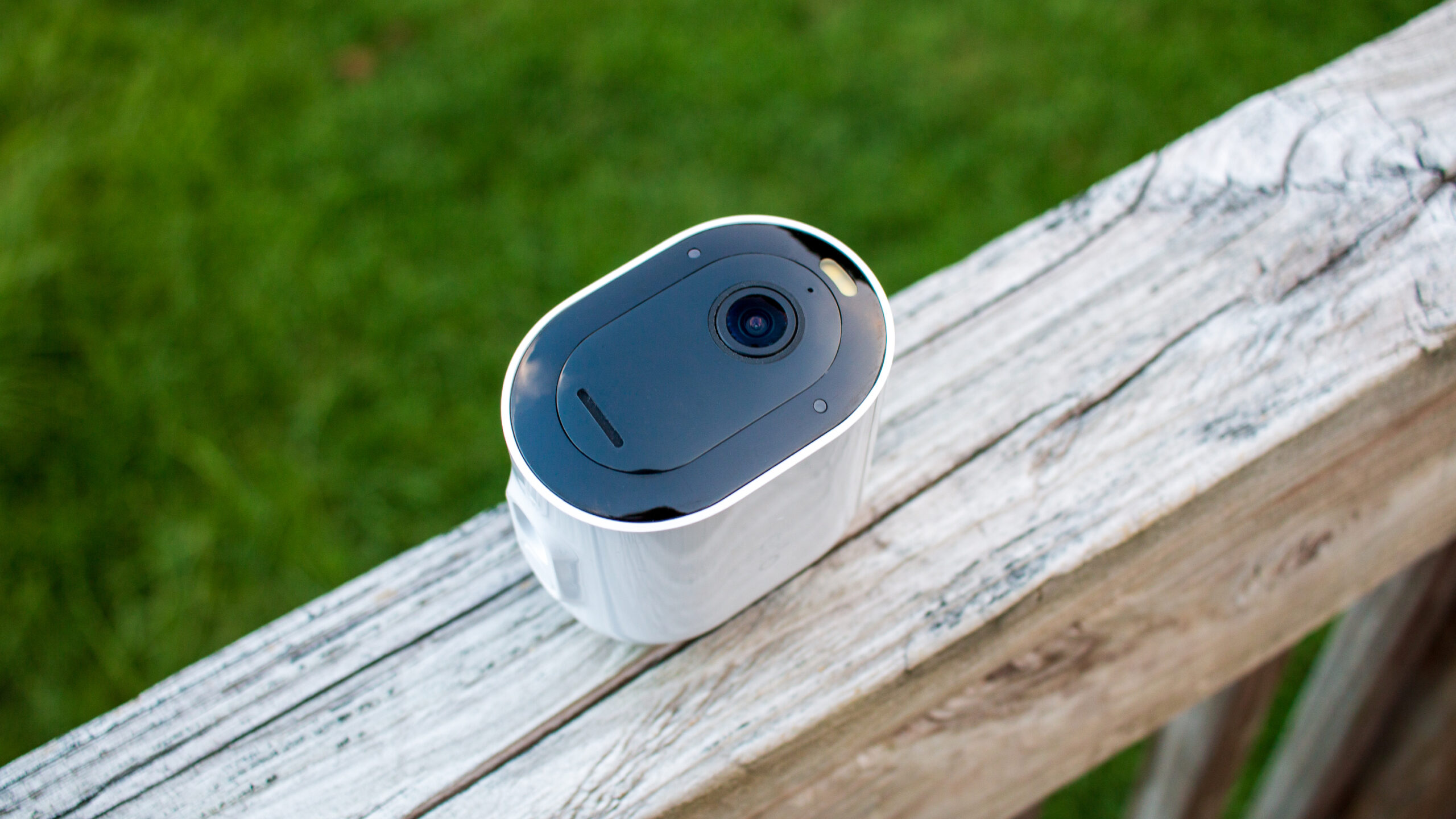
Evolving Demands in Modern Surveillance
The world of security has undergone rapid transformation as homes and businesses seek stronger, more reliable, and more private surveillance solutions. Among the technologies rising to meet these demands, the local storage security camera stands out as a powerful and adaptable option. With increasing concerns about data privacy, dependence on cloud subscriptions, and constant internet connectivity, these cameras are becoming the preferred choice for users who want full control over their video footage. As innovation continues, the future of surveillance is moving toward smarter, more efficient, and more secure locally stored systems.
Rising Importance of Local Storage in Security Cameras
A major reason for the growing popularity of the local storage security camera is the autonomy it provides. Unlike cloud-based models that require continuous connection and recurring fees, cameras with local memory give users the ability to store, access, and control their video files independently. This approach not only enhances privacy but also ensures uninterrupted recording even when the internet fails. Innovations in memory card technology, storage encryption, and edge computing are pushing these devices far ahead of older systems. As storage capacities increase and costs decline, cameras can now retain high-resolution video for longer periods without sacrificing quality.
Breakthroughs in Video Quality and Compression
In the past, local storage limited how much footage a camera could store, especially when recording in high resolutions. However, advancements in video compression technologies such as H.265 and AI-assisted encoding have changed the landscape. These new standards allow a local storage security camera to store more video on the same memory card while maintaining impressive clarity. This makes it possible for even 4K surveillance cameras to operate without relying on cloud servers. Additionally, manufacturers are improving low-light performance, expanding dynamic range, and implementing smart exposure controls. These enhancements ensure that footage remains crisp and detailed regardless of lighting conditions, making local video archives more useful than ever.
Smart Detection Powered by Edge AI
One of the most significant technological leaps shaping the future of the local storage security camera is the integration of edge AI. Instead of sending data to remote servers for processing, cameras now analyze footage internally. This capability allows for real-time detection of motion, people, vehicles, animals, and even unusual behavior. With on-device processing, users enjoy faster alerts and reduced false alarms without transmitting sensitive footage through the internet. Edge AI also reduces the storage load, as cameras can record only events that matter, significantly extending memory capacity. This combination of intelligence and privacy is redefining what security cameras can achieve.
Enhanced Data Privacy and Encryption
As cybersecurity threats grow, the need for strong data protection becomes essential. The future of surveillance will rely heavily on advanced encryption technologies embedded directly in the camera. Modern local storage security camera systems already use encrypted SD cards, password-protected access, and secure local networks. Upcoming innovations are likely to integrate biometric access, hardware encryption chips, and tamper-resistant storage modules. This ensures that even if the memory card is removed, the video files remain unreadable to unauthorized users. Privacy-focused advancements like these strengthen the appeal of locally stored solutions over cloud-based alternatives.
Expanding Storage Options and Hybrid Systems
Technology is continuously expanding the ways users can store their security footage. Beyond traditional SD cards, newer solutions include external SSDs, encrypted USB drives, and Local NAS (Network Attached Storage) integration. Hybrid models are also emerging, allowing users to combine local storage with optional cloud backup. This flexibility means a local storage security camera can adapt to different needs, whether for a small apartment or a large commercial facility. Future models may also support modular storage, letting users upgrade capacity seamlessly without replacing the entire camera system.
Energy Efficiency and Sustainable Designs
As climate awareness increases, manufacturers are designing security cameras with improved energy efficiency. Local storage models are particularly suited to sustainability since they process and store data internally rather than constantly transmitting video to cloud servers. Innovations such as low-power chipsets, solar-powered cameras, and adaptive recording algorithms will shape the next generation of devices. These improvements not only reduce electricity usage but also extend battery life in wireless models, making surveillance systems more eco-friendly and cost-effective.
Integration with Smart Home and IoT Ecosystems
The future of the local storage security camera goes beyond standalone operation. Modern households and businesses rely on interconnected devices, and surveillance cameras are increasingly becoming part of broader smart ecosystems. These systems can integrate with smart locks, lighting, alarms, and voice assistants. The next wave of innovation will allow cameras to make intelligent decisions through cross-device communication. For example, a camera detecting movement at night may trigger exterior lights or notify a smart alarm system. As interoperability improves, surveillance will become more automated, secure, and user-friendly.
Durability and Advanced Hardware Engineering
Physical durability plays a significant role in the evolution of security technology. Modern cameras are being built with better weatherproofing, shock resistance, and temperature regulation to function in extreme environments. Innovations like self-heating circuits for cold climates and anti-fog lenses are becoming more common. These hardware improvements ensure that a local storage security camera can operate reliably outdoors without frequent maintenance. Enhanced durability also means footage remains safe even if the device experiences harsh conditions, tampering, or power failures.
The Path Ahead: What to Expect in the Future
Surveillance technology is moving in a direction that emphasizes privacy, independence, intelligence, and efficiency. The local storage security camera will continue to gain popularity as users demand solutions that give them full control over their data. In the coming years, cameras will feature expanded edge AI capabilities, stronger encryption standards, and more personalized automation options. Innovations in storage technology and energy efficiency will make these devices even more reliable and user-centric. As the industry evolves, the balance between convenience and privacy will shape how surveillance systems are designed and implemented.
Conclusion
The future of surveillance is being shaped by a shift toward smarter, more private, and more powerful security solutions. The local storage security camera stands at the center of this transformation, offering users autonomy, advanced features, and enhanced protection without depending on cloud services. With ongoing advancements in AI, hardware design, encryption, and storage capabilities, these cameras will continue to revolutionize personal and professional security. As innovation accelerates, we move toward a future where surveillance is not only more effective but also more secure and privacy-respecting than ever before.