




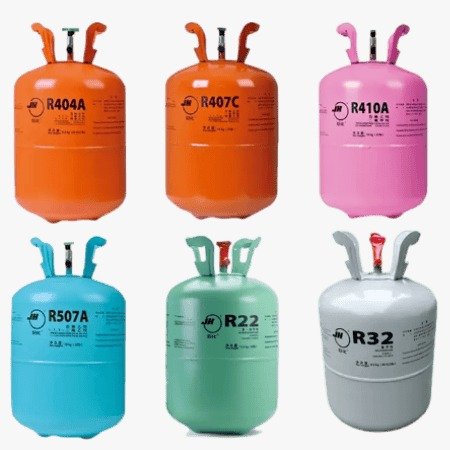
Refrigeration has been an essential part of modern life, from preserving food to enabling industrial processes. However, traditional refrigeration systems have relied heavily on synthetic refrigerants that contribute significantly to climate change. The future of refrigeration lies in sustainable solutions that minimize environmental impact while maintaining efficiency. Among these solutions, refrigeration equipment with natural refrigerants is emerging as a key innovation shaping the industry.
Understanding Natural Refrigerants
Natural refrigerants are substances that occur in nature and can be used in refrigeration systems without causing harmful environmental effects. Unlike conventional hydrofluorocarbons (HFCs) and chlorofluorocarbons (CFCs), natural refrigerants have minimal or zero ozone depletion potential (ODP) and very low global warming potential (GWP). Common examples include carbon dioxide (CO₂), ammonia (NH₃), hydrocarbons like propane (R290) and isobutane (R600a), and water.
One of the main advantages of these refrigerants is their environmental compatibility. For instance, CO₂, despite being a greenhouse gas, is safe to use in closed refrigeration cycles and does not contribute to further atmospheric emissions. Ammonia, widely used in industrial refrigeration, has been recognized for its excellent thermodynamic properties and high energy efficiency. Hydrocarbons, while flammable, are gaining popularity in small commercial and domestic applications due to their low environmental footprint.
Driving Forces Behind Sustainable Refrigeration
Several factors are accelerating the adoption of refrigeration equipment with natural refrigerants. Regulatory pressure is one of the strongest drivers. Governments worldwide are phasing down HFCs under agreements like the Kigali Amendment to the Montreal Protocol. This international effort aims to reduce HFC consumption by more than 80% by 2047, encouraging industries to shift toward natural alternatives.
Consumer awareness and corporate sustainability goals also play a significant role. As businesses increasingly focus on environmental responsibility, energy-efficient and low-impact refrigeration solutions are becoming a priority. Retail chains, food producers, and pharmaceutical companies are investing in technologies that minimize greenhouse gas emissions while optimizing operational costs.
Technological advancements have further accelerated this transition. Modern refrigeration systems are designed to handle natural refrigerants safely and efficiently, overcoming challenges such as flammability and high operating pressures. Innovations like transcritical CO₂ systems, low-charge ammonia units, and hydrocarbon-based heat pumps have expanded the practical applications of natural refrigerants across various sectors.
Advantages of Using Natural Refrigerants
The benefits of refrigeration equipment with natural refrigerants extend beyond environmental protection. One of the most significant advantages is energy efficiency. Natural refrigerants often have superior thermodynamic properties compared to synthetic alternatives, leading to lower energy consumption and reduced operational costs. For example, CO₂ systems can achieve higher efficiency in colder climates, while ammonia systems excel in large-scale industrial applications.
Another key benefit is compliance with environmental regulations. By adopting natural refrigerants, companies can avoid penalties associated with phased-out HFCs and position themselves as sustainability leaders. This proactive approach enhances brand reputation and aligns with the growing consumer demand for eco-friendly practices.
Safety is another consideration, and while some natural refrigerants are flammable or toxic in certain conditions, modern equipment is designed to mitigate these risks. Advanced sensors, leak detection systems, and robust containment measures ensure safe operation, making natural refrigerants a practical choice for both commercial and industrial use.
Applications Across Industries
Natural refrigerants are versatile and can be adapted to a wide range of applications. In the commercial sector, supermarkets and convenience stores are increasingly switching to CO₂ or hydrocarbon-based refrigeration systems for display cases, freezers, and cold rooms. These systems not only reduce environmental impact but also offer long-term cost savings through improved energy efficiency.
Industrial applications benefit greatly from ammonia-based systems, which are ideal for large-scale cold storage facilities, food processing plants, and ice rinks. Ammonia’s high efficiency and low operational cost make it a preferred choice for operations requiring large cooling capacities. Meanwhile, CO₂ transcritical systems are gaining traction in high ambient temperature regions, providing efficient solutions for medium-temperature refrigeration needs.
The healthcare and pharmaceutical industries are also exploring natural refrigerants for cold chain solutions. Maintaining precise temperatures for vaccines, medicines, and biological samples is critical, and natural refrigerants can provide stable, energy-efficient performance while minimizing environmental impact.
Challenges and Solutions
Despite their advantages, adopting refrigeration equipment with natural refrigerants is not without challenges. Flammability and toxicity concerns require careful system design and strict safety standards. Hydrocarbons, for example, are highly flammable, necessitating leak prevention, ventilation, and explosion-proof components. Ammonia, while non-flammable, is toxic and requires containment and monitoring systems to ensure safety.
High operating pressures in CO₂ systems can also pose technical challenges. Transcritical CO₂ systems operate at pressures significantly higher than traditional HFC systems, requiring robust piping, compressors, and safety valves. Engineers have addressed these challenges through improved materials, advanced control systems, and optimized system designs that maintain safety and efficiency.
Training and awareness are equally important. Technicians and facility managers need specialized knowledge to handle natural refrigerants safely and effectively. Industry organizations and manufacturers provide certification programs and training resources, ensuring that personnel are equipped to manage these systems responsibly.
The Role of Innovation in the Future
Innovation is central to the continued adoption of natural refrigerants. Emerging technologies are enhancing system performance, safety, and affordability. For instance, hybrid systems combine different natural refrigerants to optimize efficiency across varying temperatures and applications. Intelligent control systems monitor and adjust operations in real-time, reducing energy use and preventing leaks or failures.
Digitalization and IoT integration also play a transformative role. Sensors and remote monitoring tools allow operators to track system performance, detect inefficiencies, and plan maintenance proactively. These advancements reduce downtime, extend equipment lifespan, and contribute to overall sustainability goals.
Research into new natural refrigerants and improved refrigerant blends continues, aiming to balance environmental safety, energy efficiency, and operational practicality. As innovation progresses, refrigeration equipment with natural refrigerants is likely to become the standard rather than the exception, shaping a greener and more efficient future.
Economic and Environmental Impact
The adoption of refrigeration equipment with natural refrigerants carries significant economic and environmental benefits. Reduced energy consumption directly lowers operational costs, while compliance with environmental regulations avoids fines and potential supply chain disruptions. Companies that invest early in sustainable refrigeration also position themselves competitively in markets where environmental responsibility is increasingly valued.
From an environmental perspective, transitioning to natural refrigerants helps curb greenhouse gas emissions and mitigates climate change. With synthetic refrigerants phased out, the use of CO₂, ammonia, and hydrocarbons can drastically reduce the carbon footprint of refrigeration across industries. Additionally, the energy efficiency of natural refrigerants contributes to lower electricity demand, reducing reliance on fossil fuels and supporting global sustainability targets.
Looking Ahead
The future of refrigeration is clearly moving toward sustainability. Refrigeration equipment with natural refrigerants represents a practical, efficient, and environmentally responsible choice for businesses and industries worldwide. As technology advances, safety measures improve, and regulatory support grows, the adoption of natural refrigerants will continue to accelerate, creating a refrigeration landscape that balances performance with ecological stewardship.
By embracing these innovations, industries can not only meet regulatory requirements but also drive meaningful change in the fight against climate change. The integration of natural refrigerants into refrigeration systems reflects a broader commitment to sustainability, demonstrating that efficiency, safety, and environmental responsibility can coexist in modern refrigeration solutions.
In conclusion, refrigeration equipment with natural refrigerants is not just a trend—it is a necessity for a sustainable future. Through ongoing innovation, careful implementation, and global collaboration, the refrigeration industry is poised to transform into a more sustainable, energy-efficient, and environmentally friendly sector, benefiting businesses, consumers, and the planet alike.