





Communicating with your baby before they can speak is a challenge every parent faces. One of the most effective ways to bridge this gap is through teaching baby sign language. This method allows infants to express their needs, reduce frustration, and strengthen the parent-child bond. By following a structured approach, parents can make learning signs fun and natural for their little ones.
Understanding the Benefits of Teaching Baby Sign Language
Teaching baby sign language offers a host of advantages for both children and parents. First, it helps babies communicate their needs and feelings before they develop verbal skills. This can reduce tantrums and frustration, as babies are able to convey whether they are hungry, tired, or need a diaper change.
Additionally, teaching baby sign language supports early language development. Studies show that babies who learn signs often start speaking earlier and develop a richer vocabulary. It also promotes cognitive skills, as babies learn to associate gestures with specific words or concepts, enhancing memory and comprehension.
The bond between parent and child strengthens as well. Engaging in consistent, playful interaction while teaching signs fosters trust, understanding, and emotional connection. It’s not just about communication; it’s about shared experiences that create a nurturing environment.
Getting Started with Teaching Baby Sign Language
Starting with teaching baby sign language requires patience, consistency, and the right approach. The first step is to choose the signs that are most relevant to your baby’s daily life. Simple, practical signs like “milk,” “eat,” “sleep,” “more,” and “all done” are excellent starting points.
Parents should introduce signs during everyday routines. For example, while feeding, hold your baby and make the sign for “milk” while saying the word aloud. Repetition is key—babies learn by seeing and mimicking, so consistent practice throughout the day helps reinforce the connection between gesture and meaning.
Step-by-Step Guide to Teaching Signs
Step 1: Observe Your Baby’s Readiness
Before diving into teaching baby sign language, observe your baby’s developmental cues. Most babies are ready to start learning signs between six and nine months old. Look for signs of readiness, such as the ability to focus on your gestures, imitate movements, or show interest in communication.
Step 2: Start with Core Signs
Begin with a handful of essential signs. Prioritize everyday needs to make the learning process practical. Core signs might include:
- Milk – A simple gesture of a fist to the mouth
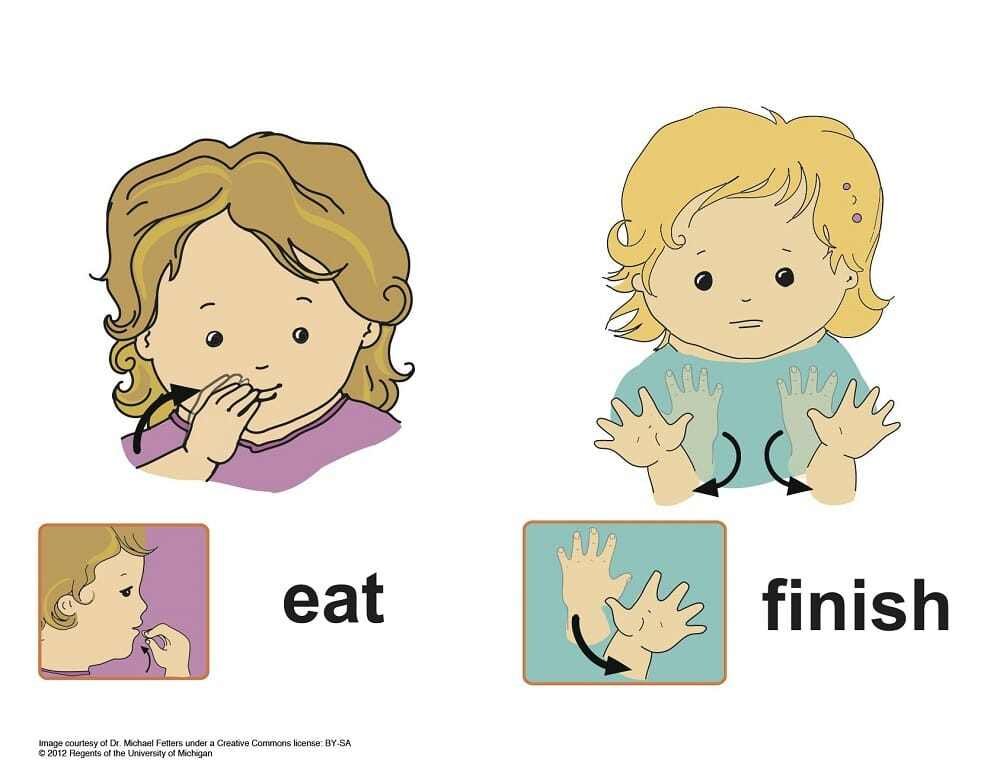
- Eat – Bringing fingers to the mouth
- More – Tapping fingertips together
- All Done – Twisting hands outward
- Sleep – Resting head on hands
Introducing too many signs at once can overwhelm your baby, so start small and expand gradually.
Step 3: Pair Words with Signs
Consistency is crucial when teaching baby sign language. Always pair the sign with the spoken word. For instance, while giving your baby milk, say “milk” clearly while making the corresponding sign. This reinforces verbal and non-verbal communication simultaneously.
Step 4: Make It Fun and Interactive
Babies learn best through play. Turn teaching baby sign language into a fun game. Sing songs, read picture books, or use toys to illustrate signs. Encourage imitation by smiling and clapping when your baby successfully signs. Positive reinforcement motivates learning and keeps the experience enjoyable.
Step 5: Encourage Communication
Once your baby begins using signs, respond immediately to reinforce the behavior. If your baby signs “more” during snack time, give them what they asked for and praise them warmly. This helps babies understand the purpose of communication and boosts their confidence.
Step 6: Expand Vocabulary Gradually
As your baby masters core signs, introduce new ones related to emotions, people, and daily routines. Signs for “happy,” “sad,” “mom,” “dad,” and “play” can broaden your baby’s expressive abilities. The key is gradual progression, building on a foundation of signs your baby already knows.
Overcoming Challenges in Teaching Baby Sign Language
Parents may encounter obstacles while teaching baby sign language, but these challenges can be overcome with patience. Some babies may take longer to imitate signs, while others may lose interest after a few repetitions. Maintaining a calm, encouraging approach is essential.
Consistency is often the biggest challenge. Incorporate signing into daily routines, such as mealtime, bath time, and bedtime, to ensure regular exposure. Avoid pressuring your baby; every child learns at their own pace. Celebrate small victories and focus on creating enjoyable interactions rather than strict timelines.
Tools and Resources for Parents
Several resources can help parents in teaching baby sign language effectively. Picture books with illustrated signs, educational apps, and online video tutorials can provide visual guidance. Parents can also join community groups or parenting classes to learn techniques and share experiences.
Having the right tools at home makes teaching baby sign language more accessible. Flashcards with signs, plush toys for practice, and mirrors for imitation can all enhance the learning experience. Integrating these tools into playful activities ensures your baby remains engaged and motivated.
Measuring Progress and Celebrating Milestones
Tracking your baby’s progress is both motivating and informative. Celebrate when your baby first signs a word, even if imperfectly. Keep a simple chart or journal to note the signs your baby uses and when they master them.
Recognizing milestones helps you adjust teaching strategies. If your baby struggles with certain signs, simplify the gesture or slow down the pace. Celebrate successes, as positive reinforcement strengthens both learning and emotional connection.
Conclusion
Teaching baby sign language is a rewarding journey that enhances communication, reduces frustration, and strengthens the parent-child bond. By starting with core signs, pairing gestures with words, and making learning fun and interactive, parents can empower their babies to express themselves effectively.
Patience, consistency, and a playful approach are essential. Every baby learns at their own pace, but with regular practice, they can begin to communicate confidently long before their first spoken words. Teaching baby sign language is more than just gestures—it’s about building understanding, connection, and early language skills that will benefit your child for years to come.