


Water damage can strike unexpectedly, leaving homeowners stressed and unsure of how to handle the situation. Whether caused by a burst pipe, heavy rain, or accidental flooding, prompt and effective water damage clean up is essential to prevent further structural issues, mold growth, and costly repairs. This guide provides a detailed step-by-step approach to managing water damage clean up at home, ensuring safety and efficiency.
Assess the Damage and Ensure Safety
The first step in any water damage clean up process is assessing the damage and ensuring the safety of everyone in the home. Before entering the affected area, check for hazards such as electrical risks, unstable flooring, and contaminated water. Turn off electricity and gas supplies if necessary, and wear protective gear such as gloves, boots, and masks to minimize exposure to harmful substances. Document the damage with photos and notes, as this will be important for insurance claims.
Remove Standing Water Quickly
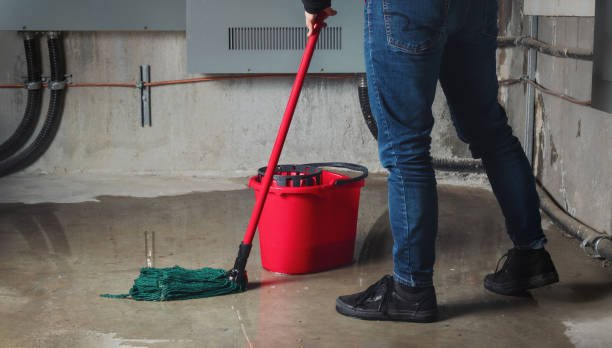
Standing water is one of the most immediate threats after water damage. Removing it quickly helps prevent structural damage and the growth of mold. For small areas, you can use mops, buckets, or towels. For larger spaces, consider renting a wet/dry vacuum or calling a professional water damage clean up service for efficient water extraction. The goal is to remove as much water as possible within the first 24 to 48 hours to limit further damage.
Dry and Dehumidify the Area
Once the standing water has been removed, drying the affected area is critical. Open windows and doors to promote airflow, and use fans and dehumidifiers to remove moisture from walls, floors, and furniture. Wooden materials, drywall, and carpets retain water and require careful drying to prevent warping and mold growth. Continue this process until moisture readings indicate that the area is thoroughly dry. Regular monitoring with moisture meters can help ensure no hidden damp spots remain.
Remove Damaged Items
During water damage clean up, it’s important to identify items that cannot be salvaged. This includes furniture, carpets, insulation, and personal belongings that have been saturated or contaminated. Remove these items from the home to prevent mold and unpleasant odors. Items that are less affected may be cleaned, disinfected, and dried properly. Consider professional restoration services for valuable items, as they may have specialized equipment and expertise to salvage belongings.
Clean and Disinfect Surfaces
Water damage often brings bacteria and other contaminants into your home. Thoroughly cleaning and disinfecting all affected surfaces is essential for maintaining a safe environment. Use cleaning solutions appropriate for the material being treated, and focus on walls, floors, furniture, and any items that came into contact with water. Pay special attention to corners and hidden areas where water may have seeped. Disinfectants help prevent mold growth and ensure the space is hygienic.
Treat for Mold Prevention
Mold can start growing within 24 to 48 hours of water exposure, making it one of the biggest concerns during water damage clean up. After the area is dry and cleaned, apply mold inhibitors to walls, floors, and other susceptible surfaces. Inspect hidden spaces like behind cabinets, under carpets, and inside vents, as these areas are prone to mold development. If you notice any signs of mold, consider contacting professional remediation services to avoid health risks and long-term damage.
Repair Structural Damage
Water damage can weaken the structural integrity of your home, including walls, floors, and ceilings. After cleaning and drying, inspect these areas for warping, cracking, or other damage. Replace damaged drywall, flooring, or insulation as needed. Ensure repairs are done correctly to prevent future issues, and consider consulting professionals for major structural concerns. Timely repairs not only restore safety but also help maintain your home’s value.
Restore Belongings and Furniture
Once the home is cleaned, dried, and repaired, focus on restoring salvageable belongings. Furniture, electronics, and personal items should be thoroughly dried and cleaned. Wooden furniture may require refinishing, while fabric items might need professional cleaning. Proper restoration helps reduce financial loss and allows you to return your home to a comfortable and safe environment.
Monitor for Long-Term Effects
Even after completing water damage clean up, it is important to monitor the home for long-term effects. Check for signs of lingering moisture, mold, or structural weakness. Regular inspections of basements, crawl spaces, and attics can help identify potential problems early. Installing humidity sensors or moisture alarms can provide ongoing protection and ensure that water damage does not recur unnoticed.
When to Call Professionals
While many steps of water damage clean up can be handled by homeowners, certain situations require professional intervention. Large-scale flooding, contaminated water, and extensive structural damage are best addressed by experienced water damage clean up specialists. Professionals have advanced equipment and training to safely remove water, dry structures, and restore homes efficiently. Consulting experts can save time, reduce health risks, and ensure comprehensive restoration.
Prevent Future Water Damage
Prevention is key to reducing the risk of future water damage. Regularly inspect plumbing systems, roofs, and gutters to identify potential leaks or weaknesses. Install water alarms, sump pumps, and drainage systems to minimize the impact of future incidents. Proper home maintenance combined with knowledge of water damage clean up ensures you are prepared for emergencies and can respond effectively when needed.
Water damage clean up at home requires a systematic approach to ensure safety, prevent mold growth, and restore your living environment. By assessing the damage, removing water, drying the area, cleaning and disinfecting surfaces, repairing structural issues, and monitoring for long-term effects, homeowners can manage the aftermath of water damage effectively. While some tasks can be completed independently, consulting professional water damage clean up services is essential for severe cases. Being proactive in prevention and restoration not only protects your home but also provides peace of mind in facing water-related emergencies.
This step-by-step guide offers a clear roadmap for homeowners to tackle water damage efficiently, ensuring that homes are safe, dry, and restored to their original condition. Proper attention to each stage of water damage clean up is the key to minimizing damage, reducing health risks, and maintaining the value of your property.