




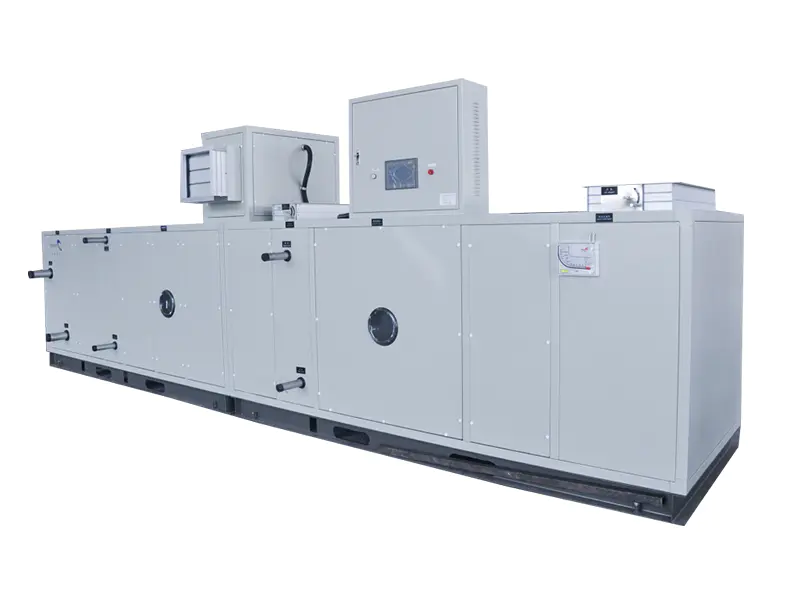
The rapid growth of electric vehicles, renewable energy storage, and portable electronics has placed unprecedented demands on the battery manufacturing industry. High-performance batteries rely on precise manufacturing conditions, and one critical factor often overlooked is humidity control. Battery manufacturing dehumidifiers play an essential role in ensuring product quality, safety, and longevity by maintaining optimal moisture levels during production and storage.
The Role of Humidity in Battery Manufacturing
Humidity can have a significant impact on battery performance and safety. Lithium-ion cells, widely used in modern energy storage solutions, are particularly sensitive to moisture. Excess water in the manufacturing environment can lead to chemical reactions with the battery’s electrolyte, electrodes, and separators, potentially causing defects, reduced efficiency, and even safety hazards such as short circuits or thermal runaway.
Battery manufacturing dehumidifiers provide a controlled atmosphere that reduces the risk of moisture-related issues. By maintaining a low and consistent humidity level, these systems help ensure that the electrolyte and electrode materials remain stable, preventing degradation and enhancing the overall reliability of the battery cells.
How Battery Manufacturing Dehumidifiers Work
Battery manufacturing dehumidifiers are specifically designed to handle the unique requirements of battery production environments. These systems utilize advanced drying technologies, including desiccant-based and refrigerant-based methods, to remove moisture from the air. Desiccant dehumidifiers, for instance, use hygroscopic materials that attract and absorb water vapor, while refrigerant-based systems cool the air to condense and remove moisture.
The choice of dehumidification technology depends on factors such as the size of the manufacturing area, required humidity levels, and energy efficiency considerations. Regardless of the technology, the primary goal is to maintain an environment where humidity levels are low enough to prevent chemical degradation and material contamination, yet consistent enough to support a stable manufacturing process.
Benefits of Using Battery Manufacturing Dehumidifiers
Improved Battery Quality
By controlling humidity levels, battery manufacturing dehumidifiers reduce the likelihood of defects in the cells. Moisture can interfere with the uniformity of electrode coatings, compromise separator integrity, and negatively affect electrolyte performance. With effective dehumidification, manufacturers can achieve higher consistency, fewer defective cells, and improved overall battery quality.
Enhanced Safety
Safety is a paramount concern in battery production. Lithium-ion batteries are prone to dangerous reactions if exposed to moisture during assembly. Battery manufacturing dehumidifiers create a safer working environment by minimizing moisture-related risks. This reduces the potential for hazardous incidents during both manufacturing and storage, protecting personnel and equipment.
Extended Battery Lifespan
Moisture can accelerate chemical degradation within battery cells, leading to reduced capacity and shortened lifespan. By maintaining an optimal low-humidity environment, battery manufacturing dehumidifiers help preserve the chemical stability of materials. This ensures that batteries retain their capacity over time, providing longer service life for end users.
Operational Efficiency
Maintaining a controlled environment also contributes to operational efficiency. Consistent humidity levels reduce the need for rework and quality inspections, allowing production lines to operate smoothly and meet tight deadlines. Additionally, dehumidifiers reduce the potential for equipment corrosion caused by moisture, prolonging the lifespan of critical manufacturing machinery.
Applications Across Battery Manufacturing Processes
Battery manufacturing dehumidifiers are used in various stages of the production process. In electrode preparation, controlling humidity ensures that slurries and coatings are applied evenly. During cell assembly, low-humidity conditions prevent unwanted reactions between electrode materials and ambient moisture. In the formation and aging processes, maintaining dry air ensures that batteries achieve optimal electrochemical performance.
Moreover, dehumidifiers are essential in battery storage areas and cleanrooms. Even after production, batteries are vulnerable to moisture absorption, which can compromise long-term performance. Proper dehumidification in storage ensures that cells remain stable until they are deployed in consumer products, industrial applications, or electric vehicles.
Innovations in Dehumidification Technology
As battery technologies evolve, so do the dehumidification solutions used in manufacturing. Modern battery manufacturing dehumidifiers are increasingly energy-efficient, using advanced sensors and control systems to adjust operation in real-time. This allows manufacturers to maintain precise humidity levels without excessive energy consumption.
Some systems now incorporate intelligent monitoring, integrating data from multiple production stages to optimize environmental conditions. This proactive approach not only improves battery quality but also supports predictive maintenance, minimizing downtime and enhancing overall productivity.
Environmental and Economic Considerations
Battery manufacturing dehumidifiers also contribute to sustainability. By improving product quality and lifespan, they reduce the environmental impact associated with battery disposal and replacement. Efficient dehumidification systems consume less energy, lowering the carbon footprint of the manufacturing process.
From an economic perspective, investing in battery manufacturing dehumidifiers provides a strong return on investment. Reduced defects, enhanced safety, and longer battery lifespan translate into higher customer satisfaction, lower warranty costs, and stronger market reputation for manufacturers.
Choosing the Right Battery Manufacturing Dehumidifier
Selecting an appropriate dehumidifier requires careful consideration of production requirements. Factors to evaluate include the target humidity range, the size of the facility, airflow capacity, energy efficiency, and maintenance needs. Some manufacturers may require custom solutions tailored to specific battery chemistries or production processes.
Collaboration with experienced suppliers ensures that the selected system meets stringent industry standards. Integration with cleanrooms, air filtration systems, and other environmental controls can further enhance the effectiveness of dehumidification in battery manufacturing.
Conclusion
Battery manufacturing dehumidifiers are indispensable tools for modern energy storage production. They safeguard battery quality, enhance safety, extend lifespan, and improve operational efficiency. As demand for high-performance batteries continues to grow, the role of dehumidification in the production process becomes increasingly vital.
Investing in reliable and efficient battery manufacturing dehumidifiers ensures that manufacturers can produce consistent, high-quality cells capable of meeting the rigorous demands of electric vehicles, renewable energy systems, and consumer electronics. By controlling humidity, manufacturers not only protect their products but also strengthen their competitiveness in a rapidly evolving industry.
In the highly technical and competitive world of battery production, battery manufacturing dehumidifiers are more than just equipment—they are a critical component in delivering performance, safety, and longevity for the next generation of energy storage solutions.