




Flooding can strike without warning, leaving homes and businesses overwhelmed with destruction. One of the most urgent and challenging tasks after such a disaster is water damage cleaning. Acting quickly and correctly can make the difference between restoring your property and facing long-term structural and health issues. This guide walks you through the essential steps, safety measures, and best practices to effectively manage water damage cleaning after a flood.
Understanding the Impact of Flood Damage
Floodwater is not just an inconvenience—it can be highly destructive and hazardous. It often carries contaminants such as sewage, chemicals, and debris that pose serious health risks. Beyond visible damage, water can seep into walls, floors, and furniture, weakening structures and encouraging mold growth within 24 to 48 hours.
Water damage cleaning is not just about removing water; it involves drying, disinfecting, and restoring affected areas. Understanding the extent of the damage is the first step toward effective recovery.
Prioritizing Safety Before Cleaning
Before beginning any cleanup process, safety must come first. Flood-affected areas can present numerous dangers, including electrical hazards, contaminated water, and structural instability.
Turn off the electricity in affected areas if it is safe to do so. Wear protective gear such as gloves, boots, masks, and goggles to reduce exposure to harmful substances. Avoid direct contact with floodwater whenever possible, as it may contain bacteria and toxins.
If the structure appears unstable or if water levels are high, it’s best to wait for professional assessment before starting water damage cleaning.
Removing Standing Water
The next step in water damage cleaning is removing any standing water as quickly as possible. The longer water sits, the more damage it causes.
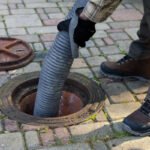
You can use pumps, wet vacuums, or buckets depending on the severity of the flooding. For large-scale flooding, professional-grade equipment may be required. Removing water promptly helps prevent further absorption into building materials and reduces the risk of mold growth.
Drying and Ventilation
Once the standing water is removed, thorough drying is essential. Even if surfaces appear dry, moisture can remain trapped in walls, flooring, and insulation.
Open windows and doors to improve airflow. Use fans, dehumidifiers, and air movers to accelerate the drying process. Proper ventilation is a critical part of water damage cleaning, as it helps eliminate hidden moisture that could lead to long-term issues.
Drying may take several days depending on the extent of the damage, but it is important not to rush this step.
Cleaning and Disinfecting Surfaces
Floodwater often brings contaminants that require deep cleaning and disinfection. All affected surfaces, including floors, walls, and furniture, must be cleaned thoroughly.
Use appropriate cleaning agents and disinfectants to kill bacteria and prevent mold growth. Pay special attention to porous materials such as carpets, upholstery, and drywall, as they may need to be removed if heavily contaminated.
Effective water damage cleaning includes not just visible cleaning but also sanitizing to ensure the environment is safe for occupants.
Handling Damaged Materials
Not all items can be salvaged after a flood. Materials that absorb water easily, such as insulation, mattresses, and certain types of flooring, may need to be discarded.
Inspect all belongings carefully. Items that show signs of mold, warping, or persistent odor should be removed. For salvageable items, thorough drying and cleaning are necessary.
This stage of water damage cleaning can be emotionally difficult, but removing unsalvageable materials is essential for preventing further damage and health risks.
Preventing Mold Growth
Mold is one of the biggest concerns after flooding. It can begin to grow within 24 to 48 hours in damp conditions and spread rapidly.
To prevent mold, ensure all areas are completely dry and well-ventilated. Use mold inhibitors and monitor humidity levels. If mold is already present, it may require specialized cleaning methods or professional remediation.
Water damage cleaning must address moisture at every level to effectively prevent mold from taking hold.
Inspecting Structural Damage
Flooding can weaken the structural integrity of a building. Walls, floors, and foundations may be compromised even if they appear intact.
Look for signs such as cracks, warping, or sagging. Wooden structures may swell or rot, while metal components can corrode. If you suspect structural damage, consult a professional before proceeding with repairs.
Incorporating structural inspection into your water damage cleaning process ensures that your property is safe and stable for long-term use.
Restoring and Repairing Your Property
After cleaning and drying, the next step is restoring your home or business. This may involve replacing drywall, repainting walls, installing new flooring, or repairing electrical systems.
Restoration is a crucial part of water damage cleaning because it returns your property to a livable condition. Depending on the severity of the damage, this phase can range from minor repairs to major reconstruction.
Hiring experienced professionals for restoration work can help ensure quality results and prevent future issues.
When to Call Professionals
While minor flooding can sometimes be handled independently, severe cases often require professional assistance. Water damage restoration experts have specialized equipment and expertise to handle complex situations.
Professionals can assess the extent of the damage, perform advanced drying techniques, and address hidden moisture problems. They are also trained to handle hazardous materials safely.
Knowing when to seek help is an important aspect of effective water damage cleaning, especially when dealing with large-scale or contaminated flooding.
Tips for Future Flood Preparedness
Once you have completed the cleanup, it’s wise to take steps to minimize future risks. Flood preparedness can save time, money, and stress in the long run.
Install proper drainage systems and sump pumps to manage excess water. Seal cracks in walls and foundations to prevent water intrusion. Keep important documents and valuables in waterproof containers or elevated locations.
Being proactive not only protects your property but also simplifies any future water damage cleaning efforts.
Conclusion
Handling water damage cleaning after a flood is a complex and time-sensitive process. From ensuring safety and removing water to drying, disinfecting, and restoring your property, each step plays a critical role in recovery.
Acting quickly can significantly reduce damage and prevent long-term issues such as mold and structural deterioration. While some tasks can be managed independently, don’t hesitate to seek professional help when needed.
With the right approach and preparation, you can effectively navigate the challenges of flood recovery and restore your property to a safe and comfortable condition.