





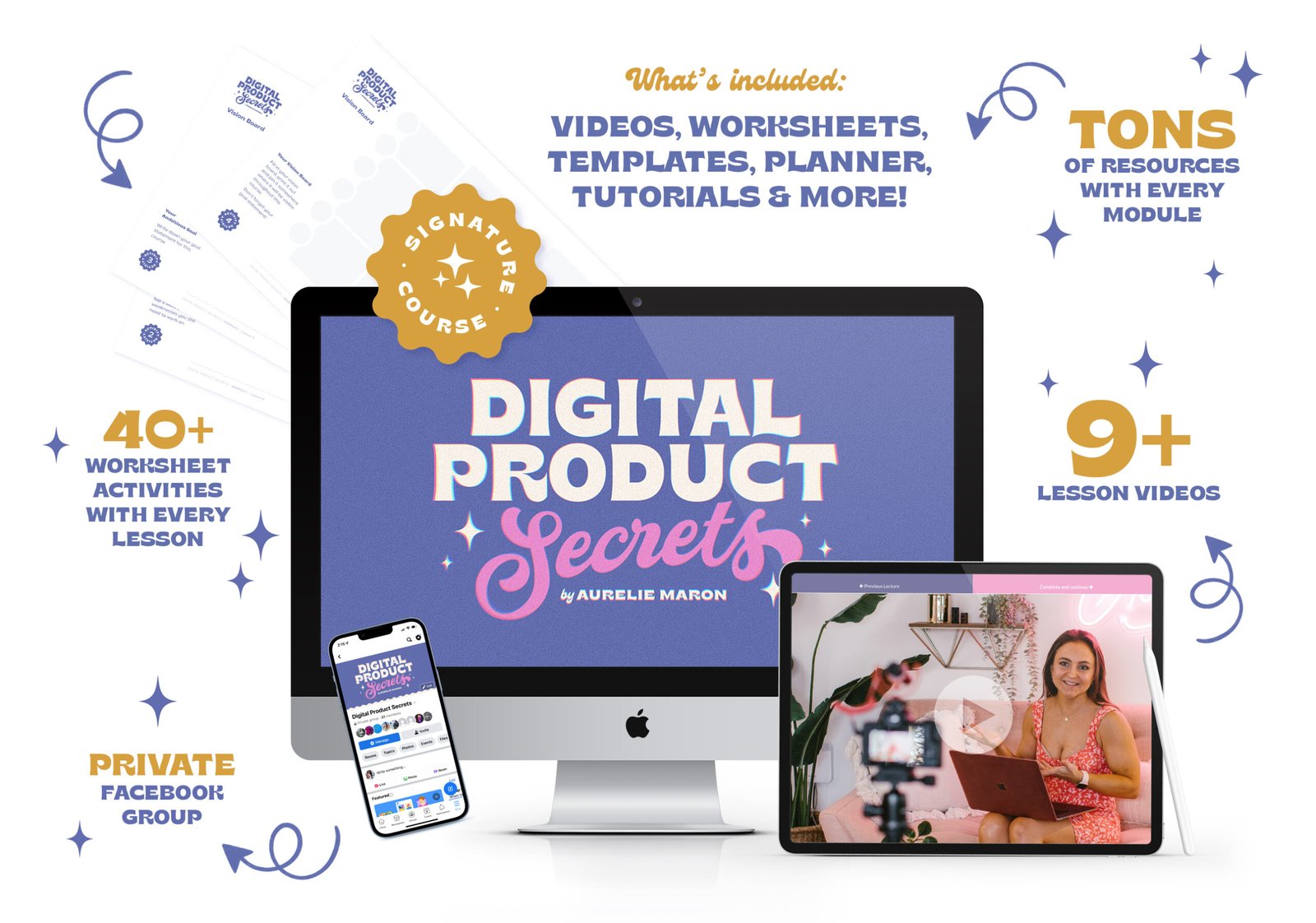
Creating digital products that sell doesn’t require millions of followers or a massive email list. Many people believe that to earn a significant income online, you need a large audience first. While having followers helps, it’s not the only way to make profitable sales. With the right strategies, targeting, and product creation, you can successfully sell digital products even with a small but engaged audience.
Understanding Your Market
Before you create a digital product, it’s crucial to understand who your ideal customers are. You don’t need to appeal to everyone. Instead, focus on a specific niche where people have clear problems and are willing to pay for solutions. Research your niche by exploring online communities, social media groups, forums, and platforms like Reddit, Quora, or niche-specific sites. Take note of recurring questions, complaints, and desires. These insights will guide your product development and ensure you’re solving a real problem.
Creating a product without understanding your market can lead to wasted time and resources. Your goal is to find a niche where demand exists, but competition isn’t overwhelming. A small, highly targeted audience is often more valuable than a large, general one because engaged buyers are more likely to convert.
Choosing the Right Type of Digital Product
Digital products come in many forms, and selecting the right type can increase your chances of success. Some popular options include eBooks, online courses, templates, printables, stock photos, audio files, and membership sites. The type you choose should align with your skills and the needs of your audience.
For example, if you are a graphic designer, selling templates, fonts, or stock images can be highly effective. If you have expertise in a particular subject, creating an online course or an eBook can provide immense value to your customers. The key is to provide something that is easy to access, solves a problem, and delivers a clear benefit.
Starting Small and Validating Ideas
You don’t need a fully polished product to start selling. In fact, launching a minimal viable product (MVP) can be an excellent way to test your concept and get feedback. An MVP allows you to see whether your audience is willing to pay before investing too much time or money.
Validation can be done in simple ways: pre-selling your product through landing pages, conducting surveys, offering early access to a small group, or even sharing sample chapters or content. If people are excited and willing to purchase early versions, you know there’s demand. This approach reduces risk and ensures that your digital product meets the real needs of your audience.
Leveraging Small, Engaged Communities
You don’t need thousands of followers to make sales. A small but highly engaged community can be extremely effective. Engagement is more important than size because people who trust you and value your content are more likely to purchase.
Focus on building relationships within your niche. Interact with your audience through email, social media comments, or online forums. Provide helpful content, answer questions, and demonstrate your expertise. When your audience sees that you genuinely understand their needs, they will be more open to buying your digital products.
Micro-influencers and niche bloggers often succeed in selling digital products to small audiences because their followers are highly targeted and engaged. You can use the same principle: even a community of 500–1,000 active followers can generate consistent income if approached strategically.
Crafting an Irresistible Offer
Even with a great product, how you present it matters just as much. An irresistible offer focuses on the benefits, not just features. Explain clearly how your digital product will solve a problem, save time, or improve the customer’s life. Highlight unique selling points and differentiate your product from competitors.
Consider offering bonuses or limited-time incentives to increase perceived value. Bundling products or providing exclusive resources can make your offer more compelling. Remember, people buy results, not just content, so emphasize transformation and outcomes in your messaging.
Using Simple Marketing Techniques
Marketing doesn’t have to be complicated. Small audiences respond well to authentic, personal approaches rather than mass marketing campaigns. Start by leveraging platforms where your audience already spends time. Social media, niche forums, and email newsletters are great places to begin.
Share valuable content that demonstrates your expertise and subtly introduces your digital product. Storytelling is effective: explain your journey, struggles, and solutions, which naturally connects your product to the audience’s needs. Email marketing, even with a small list, can generate impressive results because it allows you to communicate directly with interested prospects.
Collaborating with others in your niche can also expand your reach without requiring a huge audience. Guest posts, joint webinars, or partnerships with complementary creators can introduce your product to relevant buyers who already trust the partner’s recommendations.
Pricing Strategically
Pricing can make or break your sales. Small audiences often respond better to fair, approachable pricing rather than high-ticket items unless your product offers massive transformation. Research competitors and see what similar digital products sell for. Start with a price that reflects the value you provide while remaining accessible to your target audience.
You can also test pricing with early buyers. Many creators find success by offering introductory pricing or special early-bird discounts. Once your product gains traction and testimonials, you can adjust pricing to reflect its perceived value and demand.
Gathering Feedback and Iterating
After launching your digital product, collect feedback from your customers. This helps you improve your offering, create additional products, and understand what resonates most with your audience. Engage directly by asking for reviews, testimonials, or suggestions for enhancements.
Iterating based on real feedback ensures that your products remain relevant and valuable. It also shows your audience that you listen and care, which strengthens trust and loyalty. Over time, this process can transform a small audience into a consistent and highly profitable customer base.
Scaling Without Relying on a Massive Following
Once your first product succeeds, you can scale your business gradually. Instead of chasing large audiences, focus on building multiple digital products that complement each other. Offer upsells, bundles, or subscription models to increase customer lifetime value.
Automation tools, such as email sequences and scheduling posts, can help maintain sales without continuous effort. Even small audiences can sustain a growing digital business if your products consistently provide value and you nurture your community.
Conclusion
Selling digital products without a huge audience is not only possible but often more rewarding than targeting mass markets. By understanding your niche, creating valuable products, validating ideas, and focusing on engagement, you can achieve meaningful sales. Small, targeted communities often convert better than large but disengaged followings. Strategic marketing, compelling offers, and continuous iteration allow even beginners with limited reach to build profitable digital product businesses.
The key takeaway is this: quality, relevance, and genuine connection matter more than audience size. With thoughtful planning and execution, your digital products can thrive and sell consistently, proving that you don’t need millions of followers to succeed online.