


Understanding Sewage Backup Disasters
Sewage backup disasters are among the most unpleasant and hazardous issues a property owner can face. When sewage systems fail or become blocked, wastewater can flow back into homes, basements, and commercial buildings. This situation not only creates a terrible odor and unsanitary conditions but also introduces serious health risks and financial consequences.
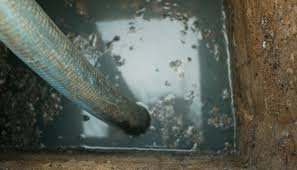
Sewage backup disasters usually occur because of clogged sewer lines, heavy rainfall, tree root intrusion, broken pipes, or aging municipal sewer systems. When wastewater cannot move through the drainage system properly, it returns through floor drains, toilets, and sinks. This sudden influx of contaminated water can damage floors, walls, furniture, and personal belongings within minutes.
The impact of sewage backup disasters extends far beyond the immediate mess. Property owners often face expensive cleanup costs, health hazards, structural damage, and long-term decreases in property value. Understanding these risks can help homeowners take preventive steps and respond quickly if such a disaster occurs.
Health Risks Caused by Sewage Backup Disasters
Exposure to Harmful Bacteria and Viruses
One of the most dangerous aspects of sewage backup disasters is exposure to harmful microorganisms. Sewage contains bacteria, viruses, fungi, and parasites that can cause serious illnesses. Pathogens commonly found in contaminated water include E. coli, Salmonella, and Hepatitis A.
When sewage enters a home, these microorganisms spread quickly through surfaces and the air. Individuals who come into contact with contaminated water or surfaces may experience symptoms such as stomach infections, diarrhea, vomiting, fever, or skin irritation.
Respiratory Problems and Mold Growth
Another major concern linked to sewage backup disasters is mold development. Moisture from contaminated water can seep into carpets, drywall, insulation, and wooden structures. Within 24 to 48 hours, mold spores may begin to grow.
Mold exposure can lead to respiratory problems such as coughing, wheezing, throat irritation, and breathing difficulties. Individuals with asthma, allergies, or weakened immune systems are especially vulnerable to these health issues. If sewage damage is not addressed quickly, mold colonies may spread throughout the property and worsen indoor air quality.
Skin Infections and Allergic Reactions
Direct contact with sewage water can cause skin infections and allergic reactions. The contaminants present in sewage may lead to rashes, itching, redness, and other dermatological issues. Children and pets are particularly at risk because they may accidentally come into contact with contaminated surfaces.
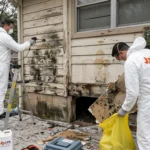
Sewage backup disasters also expose people to chemical pollutants, detergents, and toxins that may irritate the skin or eyes. For this reason, professional cleanup and proper protective equipment are essential during restoration efforts.
Property Damage Caused by Sewage Backup Disasters
Structural Damage to Buildings
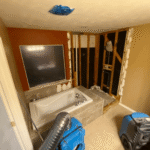
Sewage backup disasters can cause severe structural damage to homes and commercial buildings. Contaminated water often seeps into floors, drywall, foundations, and wooden framing. Over time, this moisture weakens building materials and can lead to rotting, cracking, and deterioration.
Wood flooring may warp, drywall may crumble, and insulation may lose its effectiveness. If the structural integrity of a building is compromised, repair costs can quickly escalate. In some severe cases, entire sections of a property may need to be replaced.
Destruction of Personal Belongings
Another major impact of sewage backup disasters is the destruction of personal belongings. Items such as furniture, carpets, electronics, clothing, books, and documents can become contaminated by sewage water. Many porous materials absorb contaminated water and cannot be safely cleaned or restored.
This loss can be emotionally distressing for homeowners who may lose valuable possessions or sentimental items. Insurance policies may cover some of these losses, but the replacement process can still be expensive and time-consuming.
Long-Term Contamination Issues
Even after cleanup, sewage backup disasters may leave behind lingering contamination if restoration is not handled properly. Bacteria and pathogens can remain hidden in carpets, wall cavities, and ventilation systems. Without thorough sanitation and disinfection, these contaminants may continue to pose health risks.
Professional restoration services typically use specialized equipment such as industrial pumps, disinfectants, and air scrubbers to ensure complete decontamination. This process helps eliminate bacteria and odors while restoring the property to safe living conditions.
Financial Consequences of Sewage Backup Disasters
Costly Repairs and Restoration
Repairing damage caused by sewage backup disasters can be extremely expensive. Cleanup may involve removing contaminated materials, drying the property, sanitizing surfaces, and repairing structural damage. Restoration companies often need to use advanced equipment and protective procedures due to the hazardous nature of sewage.
Homeowners may spend thousands of dollars on restoration, especially if the damage spreads across multiple rooms or levels of a property. Emergency services, mold remediation, and reconstruction costs can add up quickly.
Insurance Complications
Insurance coverage for sewage backup disasters can vary depending on the policy. Some standard homeowner policies may not include sewer backup protection unless additional coverage is purchased. Without proper insurance coverage, property owners may have to pay for repairs out of pocket.
Even when insurance covers the damage, filing claims can be stressful and time-consuming. Inspections, documentation, and restoration assessments may delay the repair process.
Impact of Sewage Backup Disasters on Property Value
Reduced Market Appeal
One often overlooked consequence of sewage backup disasters is the impact on property value. Homes with a history of sewage issues may become less attractive to potential buyers. Even if the damage has been repaired, buyers may worry about future sewer problems or hidden contamination.
Real estate agents and home inspectors often disclose previous water damage incidents during the selling process. This disclosure may cause buyers to negotiate lower prices or avoid the property altogether.
Negative Perception Among Buyers
Sewage backup disasters can create a negative perception of a property. Buyers may associate the property with health hazards, poor plumbing infrastructure, or maintenance problems. As a result, sellers may struggle to secure competitive offers.
In some cases, property owners must invest additional money in renovations, inspections, and certifications to reassure buyers that the property is safe and properly restored.
Long-Term Property Devaluation
If sewage problems occur repeatedly, the long-term property value may decline significantly. Persistent drainage issues, outdated sewer lines, or poorly maintained plumbing systems can make the property less desirable in the housing market.
Buyers often prioritize homes with reliable infrastructure and minimal maintenance risks. Properties that have experienced multiple sewage backup disasters may face reduced demand and lower selling prices.
Preventing Sewage Backup Disasters
Preventing sewage backup disasters requires regular maintenance and proactive measures. Property owners should schedule routine plumbing inspections to identify potential blockages or damaged pipes. Installing backwater valves can help prevent wastewater from flowing back into the property during heavy rainfall or sewer system overload.
Homeowners should also avoid flushing items such as grease, paper towels, wipes, and sanitary products down drains. These materials can create stubborn blockages that increase the risk of sewage backups.
Maintaining trees and landscaping near sewer lines is another important preventive step. Tree roots often grow into underground pipes in search of moisture, causing cracks and obstructions.
Conclusion
Sewage backup disasters are serious events that can affect both health and property value. The presence of harmful bacteria, mold growth, and chemical contaminants can create dangerous living conditions for occupants. At the same time, structural damage, loss of personal belongings, and costly repairs can place a heavy financial burden on property owners.