





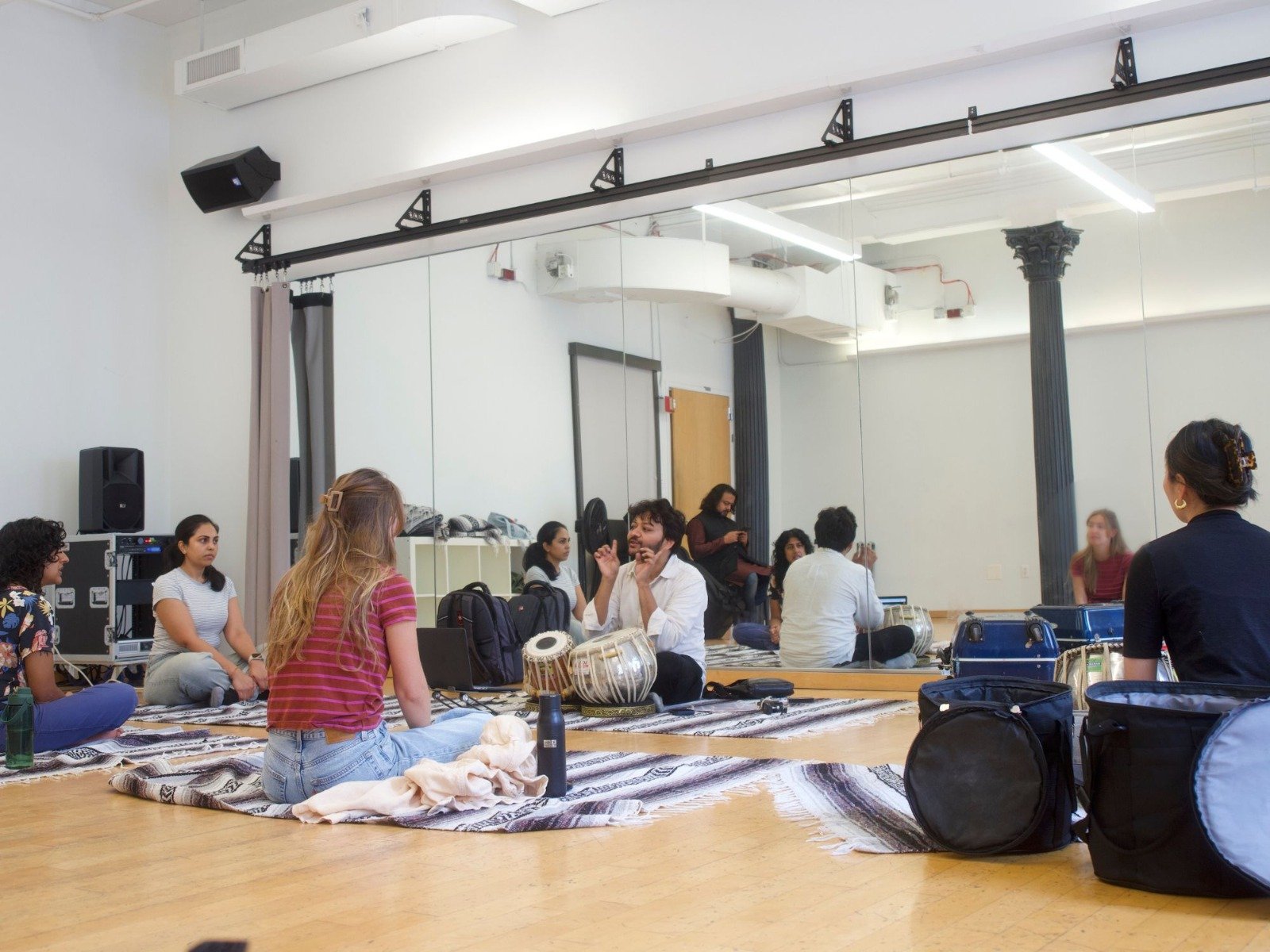
Rhythm forms the backbone of all music, whether in Western classical compositions, contemporary genres, or Indian classical traditions. For singers, dancers, and instrumentalists, a deep understanding of rhythm is not merely an accessory skill but a foundation that shapes timing, expression, and overall musicality. Rhythm education fosters technical proficiency, ensemble awareness, and interpretive flexibility, enabling performers to communicate more effectively with their audiences and fellow musicians.
The Importance of Rhythm in Musical Training
In conservatory settings, curriculum design emphasizes the integration of rhythm from the earliest stages of study. Sight-reading exercises, metronome practice, and rhythmic dictation are core components that allow students to internalize pulse and subdivision. For singers, rhythm training ensures precise articulation of phrasing, helps maintain pitch integrity within tempo constraints, and supports expressive timing in both solo and ensemble contexts.
Dancers rely on rhythm to synchronize movement with musical accompaniment. A well-developed sense of rhythm allows dancers to interpret musical accents, adapt to tempo changes, and maintain fluidity across complex choreography. Instrumentalists, whether studying Western classical instruments or Indian percussion like the tabla, benefit from rhythm education as it improves coordination, timing accuracy, and improvisational abilities. Students who engage in systematic rhythm training often exhibit superior ensemble cohesion, as they can anticipate rhythmic transitions and respond intuitively to the interplay of other performers.
Techniques for Developing Rhythmic Precision
Structured rhythm education employs a variety of techniques aimed at refining timing, accentuation, and internalization of pulse. Clapping exercises, subdividing beats, and practicing polyrhythms are common methods that enhance cognitive processing of rhythmic patterns. For singers, conducting patterns with hand gestures while vocalizing scales or exercises reinforces internal timing mechanisms. Instrumentalists often combine metronome work with complex rhythmic patterns to develop both accuracy and expressive nuance.
In Indian classical music, the tabla serves as a quintessential tool for rhythm mastery. Learning tabla involves not only executing precise bols (strokes) but also understanding tala cycles and their expressive potential. For musicians in New York seeking this integration, opportunities to learn tabla in New York provide structured guidance from experienced teachers, offering a blend of technique, improvisation, and cultural context that complements Western conservatory training. This dual approach enhances versatility, allowing performers to navigate cross-cultural collaborations and complex rhythmic frameworks with confidence.
Ensemble Work and Rhythmic Cohesion
Participation in ensembles is a critical component of rhythm education. Choirs, orchestras, jazz bands, and dance troupes all demand a heightened sensitivity to temporal coordination. In these settings, performers must listen actively to one another, adjust timing in real time, and contribute to a collective sense of pulse. Rhythm exercises that emphasize call-and-response patterns, syncopation, and rhythmic variation strengthen musicians’ ability to blend and lead within an ensemble context.
Dancers working with live music also benefit from these ensemble principles. The interplay between rhythmic accompaniment and movement requires acute awareness of tempo, accents, and dynamic shifts. Regular ensemble practice, whether in a Western orchestral setting or a tabla-accompanied Indian dance class, reinforces the connection between rhythmic comprehension and expressive performance.
Integrating Rhythm Across Musical Genres
Modern musical training encourages versatility. Musicians who understand rhythm deeply are better equipped to transition between Western classical repertoire, jazz improvisation, contemporary popular music, and Indian classical traditions. Rhythm education bridges these genres, fostering adaptability while maintaining technical integrity.
For instance, tabla students learn intricate rhythmic cycles that can inform phrasing and improvisation in Western compositions. Conversely, exposure to Western polyrhythms and syncopation can enhance a tabla player’s approach to complex tala structures. This cross-pollination of techniques exemplifies how rhythm education serves as a universal language, expanding both technical skills and creative possibilities.
Progression and Assessment in Rhythm Education
A conservatory-style approach to rhythm education emphasizes progressive skill development. Beginners start with basic pulse recognition and simple rhythmic patterns, gradually advancing to irregular time signatures, complex polyrhythms, and improvisational exercises. Assessment may include sight-reading rhythmic notation, performing in ensembles, or executing rhythmic improvisations on instruments such as piano, percussion, or tabla.
For singers, progression includes mastering rhythmic diction, phrasing within varied meters, and coordinating breathing with tempo. Dancers progress from counting beats to internalizing rhythm, allowing fluid execution of choreographic sequences. Instrumentalists develop technical accuracy, dynamic control, and expressive timing. Regular feedback from instructors and peer ensembles ensures that rhythm becomes an embodied skill rather than a purely theoretical concept.
Performance and Expressive Interpretation
Ultimately, rhythm education culminates in performance. Musicians and dancers who have internalized rhythm demonstrate a refined sense of timing, enhanced expressivity, and stronger audience engagement. Rhythm informs emotional pacing, accentuation of melodic or choreographic motifs, and the overall narrative of a piece.
For instrumentalists exploring Indian classical music, tabla provides a rich avenue for expressive interpretation. Students who learn tabla in New York gain not only technical skill but also an understanding of how rhythm shapes musical storytelling. The interplay between pulse, improvisation, and composition allows performers to convey intricate emotional textures, whether in solo recitals, ensemble performances, or fusion projects.
Conclusion
Rhythm education is indispensable for singers, dancers, and instrumentalists seeking comprehensive musical mastery. By integrating structured training, ensemble practice, and cross-genre exploration, performers develop precision, flexibility, and expressive depth. Opportunities such as learning tabla in New York illustrate how traditional rhythmic practices can complement Western conservatory techniques, fostering versatile, culturally informed musicians. Through continuous rhythm study, performers enhance technical skills, strengthen ensemble collaboration, and unlock creative potential that resonates with audiences across musical traditions.
This holistic approach to rhythm ensures that performers not only keep time but live and breathe it, transforming rhythm from a mechanical element into a profound expressive force.