
Introduction
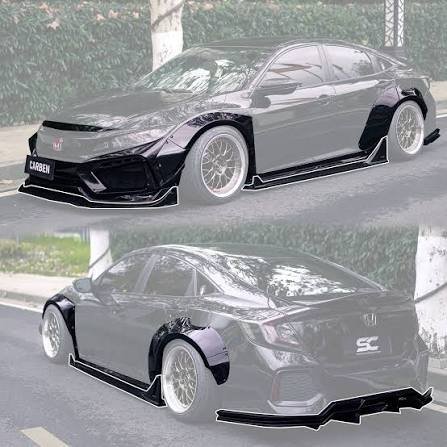
A vehicle is more than just a way to travel from one place to another. For many drivers, it represents personal style, creativity, and a passion for automobiles. Custom bodykits offer an exciting opportunity to transform the appearance of a car and make it stand out on the road. From sporty front bumpers to stylish side skirts and eye-catching rear diffusers, these modifications allow vehicle owners to create a look that reflects their individual preferences.
Whether someone prefers a sleek, understated design or a bold, aggressive appearance, bodykit customization provides numerous possibilities. With the right combination of components, materials, and finishes, a standard vehicle can become a distinctive expression of personality.
What Are Custom Bodykits?
Custom bodykits are exterior components designed to modify the appearance and, in some cases, the aerodynamic characteristics of a vehicle. These kits can include front and rear bumpers, side skirts, spoilers, fender extensions, diffusers, and other decorative or functional elements.
Some bodykits are manufactured specifically for particular vehicle models, while others require professional adjustments to achieve a suitable fit. The choice depends on the car, the desired appearance, and the owner’s budget.
Modern bodykits are available in different materials, including fiberglass, polyurethane, ABS plastic, and carbon fiber. Each material offers different advantages regarding flexibility, weight, durability, finish, and price. Understanding these differences helps vehicle owners select components that meet their expectations.
Creative Ways to Personalize Your Vehicle
1. Upgrade the Front Bumper
The front bumper is one of the most noticeable parts of a vehicle. Replacing the standard bumper with a customized design can dramatically change the car’s overall appearance.
Drivers who prefer a sporty aesthetic may choose a bumper with larger air openings, sharper lines, or a more sculpted shape. Those who favor a modern luxury appearance might select a design featuring smooth surfaces and subtle styling details.
However, appearance should not be the only consideration. A replacement bumper should fit properly and preserve essential safety features, including parking sensors and other integrated equipment. Professional installation can help ensure that the finished design looks attractive without compromising functionality.
2. Add Stylish Side Skirts
Side skirts connect the visual design of the front and rear bodywork, creating a more balanced appearance. These components run along the lower sides of the vehicle and can make its profile look lower and more streamlined.
Simple side skirts work well for drivers who appreciate a clean, elegant style. More dramatic designs may feature angular shapes, contrasting finishes, or extended edges for a racing-inspired appearance.
Before choosing side skirts, consider the vehicle’s ground clearance and the condition of the roads where it will be driven. Excessively low components may scrape against speed bumps, steep driveways, or uneven surfaces.
3. Install a Rear Spoiler
A rear spoiler can become the defining feature of a customized vehicle. Available in various shapes and sizes, spoilers can complement everything from compact hatchbacks to performance-oriented sports cars.
A small lip spoiler offers a subtle improvement in appearance, while a larger wing creates a more noticeable motorsport-inspired look. Matching the spoiler’s finish to the vehicle’s paint can produce a refined result, whereas a contrasting finish can make the component stand out.
It is important to remember that spoilers do not automatically improve performance. Their aerodynamic effects depend on the design, vehicle speed, and installation. Owners should select a product suited to their specific vehicle rather than relying entirely on appearance.
4. Explore Custom Rear Diffusers
Rear diffusers add depth and visual detail to the lower section of a vehicle’s rear bumper. Many designs feature vertical fins, sculpted surfaces, or contrasting panels that create a performance-inspired finish.
A diffuser can work particularly well when combined with a matching front lip and side skirts. Together, these components establish a consistent design language throughout the vehicle.
Some diffusers are primarily decorative, while others are engineered to influence airflow beneath the car. Buyers should understand the difference and avoid assuming that every aftermarket diffuser provides measurable aerodynamic benefits.
5. Experiment with Contrasting Colors and Finishes
Color is one of the easiest ways to make custom bodykits distinctive. Instead of painting every component the same color as the vehicle, owners can experiment with complementary shades and textures.
Gloss black, satin finishes, and carbon-fiber patterns can create visual contrast against lighter paint colors. Body-colored components, on the other hand, can create a seamless and sophisticated appearance.
Vinyl wrapping is another option for personalizing selected bodykit elements. It allows owners to explore different finishes without permanently changing the underlying surface, provided the wrap is installed and removed correctly.
For the best results, choose a limited color palette and repeat the same finishes across several components. This creates a coordinated appearance instead of making the vehicle look visually cluttered.
Choosing the Right Materials for Your Bodykit
Material selection affects the price, durability, weight, and installation requirements of a bodykit.
Fiberglass: Fiberglass bodykits can accommodate detailed shapes and are often available at comparatively accessible prices. However, they may crack under certain impacts and can require careful fitting and finishing.
Polyurethane: Polyurethane components generally offer greater flexibility than fiberglass, making them useful for bumpers and other parts exposed to minor impacts. Their flexibility can help them withstand everyday use, although quality varies between products.
ABS plastic: ABS is commonly used for automotive exterior components because it can provide a consistent finish and practical durability. Model-specific ABS components can be a convenient option for drivers seeking a balanced combination of appearance and usability.
Carbon fiber: Carbon fiber is valued for its distinctive woven appearance and high strength-to-weight ratio. It is frequently associated with performance styling, but it usually costs more than conventional materials.
The best material depends on the intended use of the vehicle. A daily driver may benefit from flexible, durable components, while a show car may prioritize appearance and specialized finishes.
How to Select a Bodykit That Matches Your Style
Before purchasing a bodykit, decide what kind of appearance you want to achieve. Some drivers prefer a subtle factory-inspired upgrade, while others enjoy dramatic modifications influenced by motorsport or custom car culture.
Start by researching bodykits designed for your vehicle’s exact make, model, and production year. Even small differences between vehicle versions can affect compatibility.
Next, consider the proportions of each component. A large rear wing may look out of place on a vehicle with otherwise understated styling, while an extremely aggressive front bumper may not complement the original body lines.
Browsing automotive galleries and specialist websites, including bodykits, can help you explore different styling ideas and discover components suited to your project.
It is also useful to review photographs of completed installations. These examples can reveal how individual components work together and help you avoid purchasing parts that do not match your overall vision.
Installation and Maintenance Tips
Proper installation is essential for achieving a professional-looking result. Even a high-quality bodykit can appear poorly finished if its panels have uneven gaps, loose fasteners, or mismatched paint.
For complex modifications, work with an experienced automotive body shop. Professionals can assess panel alignment, prepare surfaces, apply suitable paint, and check that installed components do not interfere with vehicle equipment.
After installation, inspect the bodykit regularly for loose fasteners, cracks, scratches, and other signs of wear. Clean the components using products appropriate for their materials and finishes.
Avoid harsh cleaning methods that could damage painted surfaces or protective coatings. Carbon-fiber components may also require suitable protection against environmental exposure, depending on their construction and finish.
When driving, remain aware of changes to ground clearance and the vehicle’s overall dimensions. Extra care around steep ramps, parking barriers, and uneven roads can help prevent avoidable damage.
Budgeting for Custom Bodykits
The cost of customizing a vehicle depends on the number of components, material quality, paintwork, and installation requirements.
A simple front lip or rear spoiler may provide a noticeable visual change without requiring a complete kit. A full exterior transformation involving bumpers, side skirts, fender extensions, and a diffuser will generally require a larger budget.
Remember to include additional expenses such as shipping, paint matching, fitting adjustments, and professional labor. Choosing inexpensive components without checking their fitment may result in extra costs later.
A practical approach is to prioritize the modifications that will make the greatest difference to the overall design. Owners can then add complementary components over time while maintaining a consistent style.
Safety, Regulations, and Everyday Practicality
Vehicle customization should always account for local regulations and road safety. Depending on the jurisdiction, certain modifications may be subject to requirements concerning vehicle dimensions, lighting, sharp edges, ground clearance, or pedestrian safety.
Check the applicable rules before installing unusually wide fender extensions, oversized spoilers, or other substantial exterior modifications. Ensure that bodykit components do not obstruct lights, registration plates, cameras, or sensors.
Daily driving conditions should also influence purchasing decisions. A low front splitter may look impressive but prove inconvenient on roads with frequent speed bumps. Similarly, wide body extensions may make narrow parking spaces more difficult to navigate.
Choosing a design that balances appearance, durability, and practical use helps ensure that customization remains enjoyable long after installation.
Conclusion
Custom bodykits provide an exciting way to personalize a vehicle and express individual automotive style. From redesigned bumpers and elegant side skirts to distinctive spoilers, rear diffusers, and contrasting finishes, countless combinations can transform a car’s exterior.
Successful customization begins with a clear design plan, careful material selection, and components that suit the vehicle’s proportions. Proper installation, regular maintenance, and attention to local regulations are equally important.
Rather than adding modifications simply because they are fashionable, focus on creating a coordinated appearance that reflects your preferences. With thoughtful choices and professional workmanship when needed, custom bodykits can help turn an ordinary vehicle into a distinctive and memorable expression of personal style.