




Basement flooding can create serious property problems within a surprisingly short period. Water that enters a basement can soak walls, floors, insulation, furniture, electrical components, and stored belongings. Even when the visible water has been removed, moisture may remain hidden behind walls, beneath flooring, or inside porous materials. If these areas are not properly addressed, the original flooding can lead to mold growth, structural deterioration, unpleasant odors, and costly repairs.
This is why basement flood damage cleaning is an important step after any significant water intrusion. A thorough cleaning and drying process does more than restore appearance. It helps identify hidden moisture, reduce contamination risks, protect building materials, and prevent secondary damage from developing.
Understanding the Risks After Basement Flooding
Floodwater can affect a basement in several different ways. Clean water from a broken supply line may cause extensive moisture damage, while water entering from outside can contain dirt, chemicals, bacteria, and other contaminants. Sewage-related flooding can present additional health and sanitation concerns.
The longer water remains inside the property, the greater the opportunity for damage to spread. Wood can absorb moisture and begin swelling or weakening. Drywall may become saturated and lose its structural integrity. Carpeting can retain large amounts of water, while insulation can remain damp long after the surface appears dry.
Basement flood damage cleaning addresses these problems by removing standing water, contaminated materials, moisture, and debris before they create additional complications.
Removing Standing Water Quickly
One of the first priorities after a basement flood is removing standing water. Water can continue moving through cracks, flooring systems, walls, and other materials even after the main source has been stopped.
Professional water removal equipment can help extract large quantities of water more efficiently than ordinary household methods. Pumps and wet vacuums may be used depending on the amount of water present and the condition of the affected area.
Rapid extraction limits the amount of time materials remain saturated. This can reduce swelling, staining, deterioration, and the likelihood that moisture will migrate into unaffected areas of the property.
Thorough Drying Helps Stop Hidden Moisture Problems
Removing visible water does not necessarily mean a basement is dry. Moisture can remain in concrete, wood, drywall, insulation, flooring, and other porous materials.
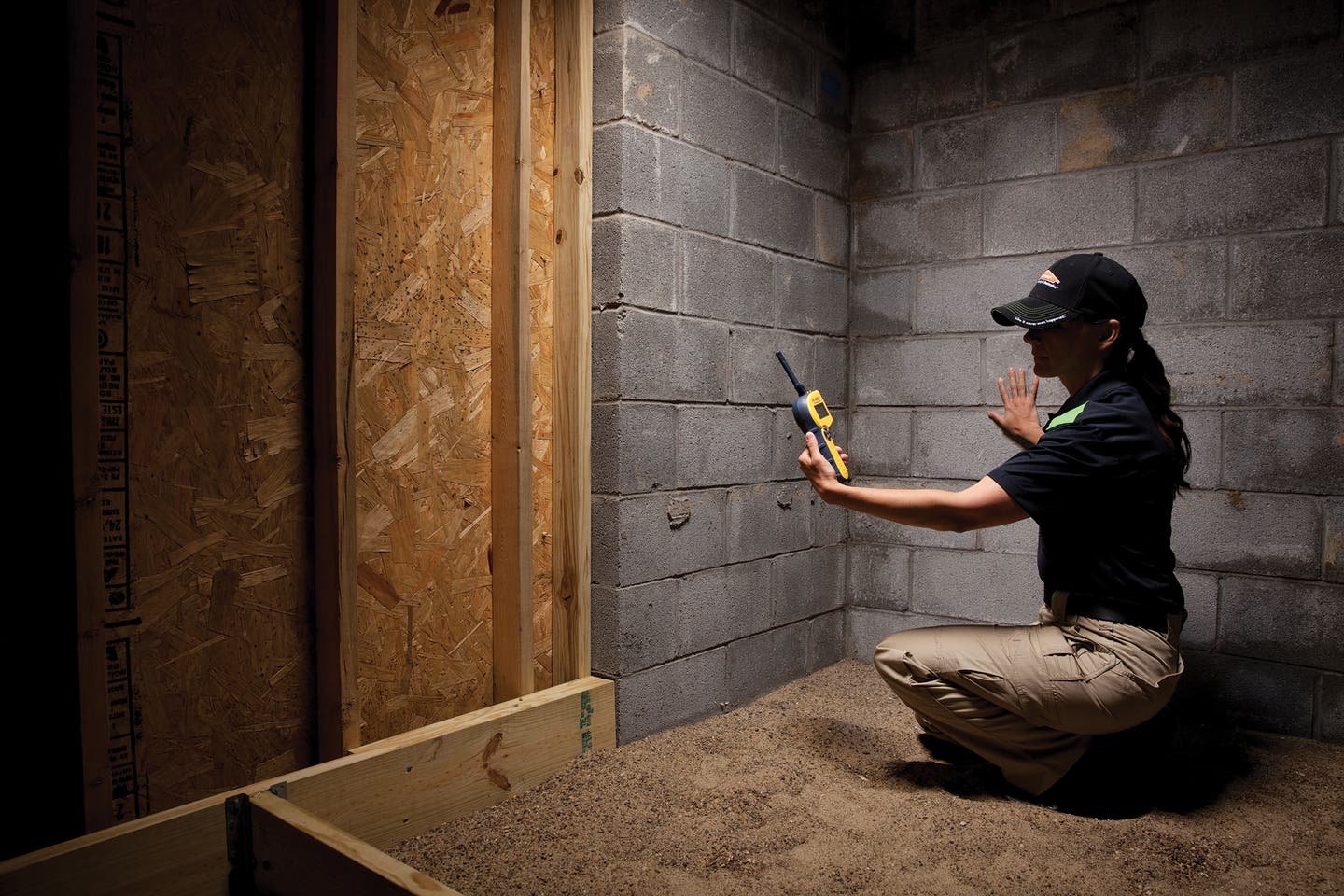
A proper cleaning process should therefore include comprehensive drying. Air movers and dehumidification equipment can help lower moisture levels and encourage evaporation. Moisture measurements can also help determine whether affected materials have reached acceptable dryness levels.
This step is particularly important because hidden moisture can become a source of future problems. A basement may look clean while damp areas remain underneath flooring or inside walls.
Why Moisture Monitoring Matters
Moisture monitoring provides a clearer picture of the condition of the property. Instead of relying only on touch or visual inspection, moisture readings can help locate areas that remain unusually damp.
Identifying these areas early allows property owners to address them before mold, material deterioration, or persistent odors develop.
Reducing the Possibility of Mold Growth
Mold is one of the most common concerns following water damage. Mold spores are naturally present in the environment, but excessive moisture can create conditions that allow them to grow.
A damp basement can provide an ideal environment for mold, especially when organic materials such as wood, paper, cardboard, drywall, or fabric remain wet. Mold may begin developing when moisture is not controlled promptly.
Basement flood damage cleaning helps reduce this risk by removing moisture and affected materials. Cleaning contaminated surfaces and drying the structure thoroughly can make the environment less favorable for continued microbial growth.
If mold is already present, the affected area may require specialized remediation rather than ordinary cleaning.
Protecting Walls, Floors, and Structural Materials
Floodwater can gradually weaken building materials. Wooden components may swell or warp, while drywall can absorb water and deteriorate. Flooring adhesives may also fail when exposed to prolonged moisture.
Early cleaning and drying can help preserve materials that are still salvageable. At the same time, severely damaged materials can be identified and removed before they contribute to larger property problems.
This distinction is important because attempting to save every material after major flooding may leave moisture trapped in places where it can cause continuing damage.
Preventing Persistent Odors
Flooded basements often develop unpleasant odors. These smells may come from stagnant water, saturated fabrics, contaminated materials, or microbial activity.
Simply covering the odor with an air freshener does not solve the underlying problem. The source must be addressed through water extraction, cleaning, drying, and removal of materials that cannot be adequately restored.
A properly dried and cleaned basement is much less likely to develop persistent musty smells.
Cleaning and Disinfecting Affected Areas
Floodwater can carry dirt, debris, and contaminants into a basement. Depending on the source of the water, surfaces may need cleaning and disinfection after water extraction.
Hard surfaces can generally be cleaned according to their material and level of contamination. Items that have absorbed contaminated water may require special evaluation before they can safely remain in the property.
Cleaning also helps remove residues that can continue affecting surfaces after the water has disappeared.
Handling Damaged Belongings
Basements are often used for storage, making personal belongings another concern after flooding. Cardboard boxes, books, clothing, furniture, and electronics can suffer extensive damage.
Each item should be assessed individually. Some belongings may be cleaned and dried successfully, while others may need to be discarded because of contamination or irreversible damage.
Sorting belongings early can also make the overall restoration process more organized and efficient.
Protecting Electrical and Mechanical Systems
Basements frequently contain electrical equipment, furnaces, water heaters, sump pumps, appliances, and other mechanical systems. Floodwater can make these systems hazardous and may cause hidden damage.
Electrical equipment exposed to water should not simply be switched on to see whether it works. Qualified professionals should evaluate potentially affected systems before they are used.
Addressing these concerns during the cleaning process can help prevent electrical hazards and reduce the chance of additional property damage.
Preventing Expensive Secondary Damage
The cost of a basement flood is not limited to the initial water intrusion. Secondary damage can become more expensive when moisture remains untreated.
For example, a small area of wet drywall can become a larger replacement project if moisture spreads. A damp wooden component may deteriorate over time. Persistent moisture can also encourage mold growth that requires additional remediation.
Timely basement flood damage cleaning helps interrupt this chain of problems. By removing water, drying materials, cleaning affected surfaces, and identifying damaged components, property owners can address problems before they become more extensive.
Why Professional Cleaning Can Be Valuable
Small water incidents may sometimes be handled by property owners when the source is clean, the affected area is limited, and there are no safety concerns. Larger floods are different.
Professional restoration teams have access to specialized extraction, drying, moisture detection, and cleaning equipment. They can also assess the extent of damage and identify areas that may not be obvious during a basic visual inspection.
Professional assistance can be especially important when flooding involves sewage, contaminated water, extensive structural materials, or electrical systems.
Creating a Safer and Healthier Basement
A properly restored basement is not simply one that looks dry. The goal is to create a space where moisture has been controlled, affected materials have been addressed, contamination has been cleaned, and potential sources of future problems have been identified.
Property owners can also reduce future risks by maintaining gutters, checking downspouts, inspecting foundation areas, maintaining sump pumps, and addressing plumbing leaks promptly.
Conclusion
Basement flooding can create problems that extend far beyond visible standing water. Moisture hidden inside walls, floors, insulation, and other materials can contribute to mold, odors, material deterioration, and expensive secondary repairs.
Basement flood damage cleaning provides an important line of defense by combining water removal, drying, cleaning, moisture assessment, and appropriate material removal. Acting quickly can help protect the structure, reduce health and safety concerns, and limit the long-term effects of flooding.
For property owners, the most important lesson is simple: cleaning after a basement flood should not focus only on what can be seen. A thorough restoration approach looks for hidden moisture and potential secondary damage so the property can return to a safer, cleaner, and more stable condition.