




In today’s digital world, video has become one of the most popular forms of online content. People use videos for entertainment, education, business, news, tutorials, product demonstrations, and social interaction. With so much video content available across the internet, many users look for convenient ways to save videos for later viewing. This has contributed to the popularity of online video download services.
Online video download platforms are web-based tools that can process a video link and provide an option to save the content in a selected format. They can be useful when users want offline access, but they also come with limitations involving quality, privacy, security, copyright, and reliability. Understanding both sides can help users make informed decisions.
What Are Online Video Download Services?
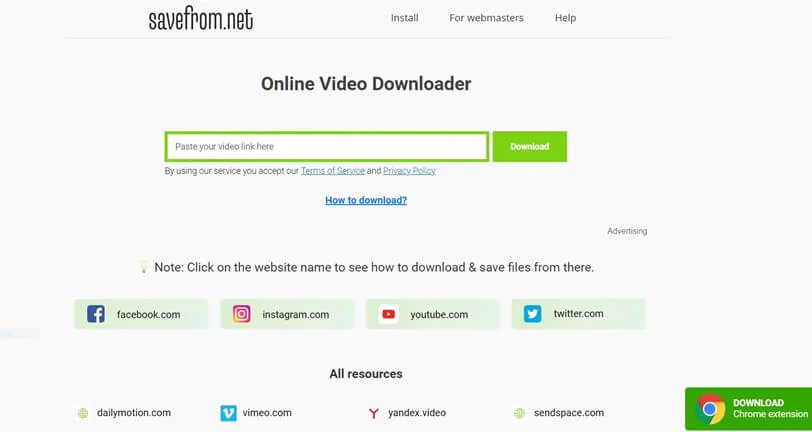
Online video download services are websites or platforms designed to help users save online videos to a device. In many cases, users copy a video URL, paste it into the service, select an available format or quality, and begin the download.
These services can support different devices, including computers, smartphones, and tablets. Depending on the platform, users may encounter options for different resolutions, file formats, or audio-only downloads.
The technology behind these services varies. Some simply process publicly accessible media, while others interact with supported platforms through their own systems. Because websites have different technical structures and terms of service, not every video can necessarily be downloaded through every service.
The Major Benefits of Online Video Download
Convenient Offline Viewing
One of the biggest advantages of online video download tools is convenience. Downloading content can allow users to watch videos later without maintaining an internet connection.
This can be particularly useful during travel, on flights, in areas with unreliable connectivity, or when mobile data is limited. Once a permitted video has been saved locally, users can access it without repeatedly streaming the same content.
Potential Data Savings
Streaming video can consume considerable amounts of internet data, especially at high resolutions. Saving a video once and watching it offline may reduce repeated data consumption.
For users with limited mobile data plans, this can make offline access an attractive option. However, the actual savings depend on the size of the downloaded file and how frequently the video would otherwise be streamed.
Greater Control Over Playback
Offline files can sometimes provide more flexibility. Users may be able to pause, replay, or watch content without worrying about buffering caused by a weak connection.
Some download services also offer multiple quality options. This allows users to select a smaller file when storage space is limited or choose higher quality when visual clarity is important.
Useful for Educational and Professional Content
Video is increasingly used for learning and professional development. Tutorials, lectures, demonstrations, training materials, and presentations can be easier to revisit when users have authorized offline access.
For example, someone studying a technical subject may want to review a permitted educational video several times without depending on an internet connection.
The Disadvantages of Online Video Download Services
Copyright and Permission Concerns
One of the most important disadvantages involves copyright. Not every video available online is free to download, copy, modify, or redistribute.
Downloading copyrighted content without appropriate permission may violate copyright law or a platform’s terms of service, depending on the circumstances and jurisdiction. Users should therefore understand the rights associated with a video before saving or sharing it.
The safest approach is to download content that the creator or platform explicitly permits users to download, such as public-domain material, appropriately licensed content, or videos offered through an official offline feature.
Security Risks
Not every download website is trustworthy. Some third-party services may contain aggressive advertisements, misleading buttons, redirects, pop-ups, or potentially harmful files.
A user searching for an online video download tool may accidentally visit a deceptive website that attempts to install unwanted software or collect personal information.
For this reason, users should be cautious when visiting unfamiliar services. Avoiding suspicious downloads, unexpected browser notifications, and requests for unnecessary personal information can reduce security risks.
Variable Video Quality
Another drawback is inconsistent output quality. Some services may compress videos during processing, resulting in lower image or audio quality than the original.
A downloaded video may also have different resolution options depending on what the service can access. In some cases, high-resolution versions may not be available, even when the original video supports them.
Reliability Problems
Online download services can stop working without warning. Changes to video platforms, website structures, security systems, or access policies can make third-party downloading tools unreliable.
A service that works today may fail tomorrow. Users may also encounter broken downloads, incomplete files, slow processing, or unavailable formats.
Storage Requirements
Offline videos require storage space. High-definition and ultra-high-definition files can be particularly large.
Someone who frequently downloads videos may quickly fill a phone, computer, tablet, or external drive. Managing downloaded files becomes important, especially when devices have limited storage capacity.
Privacy Considerations
Privacy is another factor users should consider. Some online services may collect information about visitors, including technical data, browser details, or interaction information. Others may use advertising networks or third-party tracking technologies.
Users should be careful about entering personal information into unfamiliar download websites. A reputable service should clearly communicate how it handles user data.
It is also wise to avoid services that demand unnecessary account information simply to process a basic public video link.
Official Download Features Can Be Safer
In many situations, the best alternative to a third-party downloader is an official offline viewing feature provided by the platform hosting the video.
Official options are generally designed to work within the platform’s own rules and may provide better security, predictable quality, and appropriate access controls. They can also ensure that creators and platforms receive support according to the service’s business model.
When an official download option is available, it is often worth considering before using an unfamiliar third-party website.
How to Use Download Services Responsibly
Users can reduce many risks by following a few basic principles. First, verify that the content is legally available for downloading. Second, use reputable services and avoid suspicious websites. Third, never install unknown software simply because a download page requests it.
It is also important to check the downloaded file before opening it, particularly when the service is unfamiliar. Keeping operating systems, browsers, and security software updated can provide another layer of protection.
Finally, downloaded content should not automatically be redistributed. Having a file on a personal device does not necessarily mean the user has permission to upload, sell, modify, or share it elsewhere.
The Future of Online Video Download
As internet connectivity improves and streaming platforms introduce better offline features, the role of third-party download services may continue to change. Faster networks make streaming easier, while official offline functionality provides users with convenient alternatives.
At the same time, copyright enforcement, platform security, privacy concerns, and changing website technologies may influence how external downloading tools operate.
The demand for offline video access is unlikely to disappear, particularly in areas where internet access is expensive, limited, or unreliable. However, users are likely to become more aware of the importance of choosing legitimate and secure options.
Conclusion
Online video download services can provide genuine convenience by making permitted content available for offline viewing, reducing repeated streaming, and offering greater flexibility. They can be especially useful for education, travel, limited connectivity, and personal media management.
However, these advantages must be balanced against copyright restrictions, security threats, privacy concerns, storage requirements, quality limitations, and unreliable third-party services. The smartest approach is to determine whether downloading is permitted and use official offline features whenever possible.
When third-party tools are appropriate, users should prioritize trustworthy services, avoid suspicious downloads, protect personal information, and respect the rights of content creators. By balancing convenience with responsible digital behavior, people can enjoy the benefits of offline video access while minimizing unnecessary risks.