
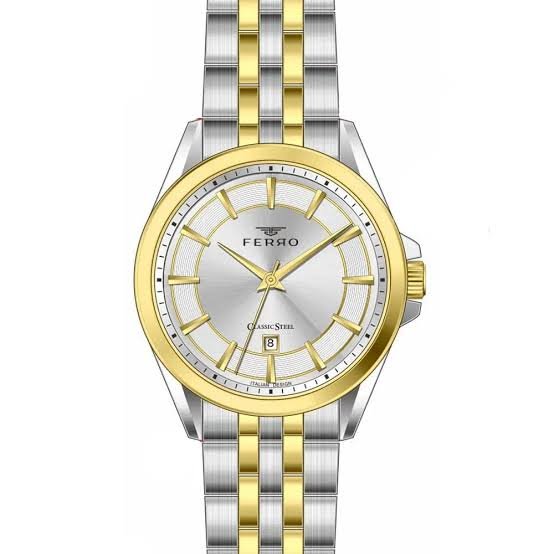
A luxury watch is more than a device that tells time. It can represent craftsmanship, heritage, personal style, and long-term value. However, the popularity of luxury watches has also created a market filled with replicas, unauthorized products, and misleading listings. For buyers, knowing how to identify genuine timepieces is essential. Choosing authentic watches requires attention to details, knowledge of reputable brands, and confidence in the seller.
Whether you are purchasing your first luxury watch or adding another piece to your collection, understanding the signs of authenticity can help you make a smarter decision. From examining the movement and finishing to checking documentation and purchasing from a trusted retailer, several factors can help establish whether a watch is genuine.
Understand the Brand Before You Buy
The first step toward purchasing an authentic watch is learning about the brand. Every established watchmaker has distinctive design elements, technical features, materials, and manufacturing standards. Researching the brand before making a purchase gives you a useful reference point when examining a particular model.
Study the official specifications of the watch, including its case size, dial layout, bracelet or strap, movement, available materials, and complications. Pay attention to small details because counterfeit watches often imitate the overall appearance but fail to reproduce the manufacturer’s precise finishing and construction.
Understanding the brand’s history can also help. Luxury watchmakers often have recognizable design traditions that remain consistent across collections. Knowing these characteristics makes it easier to identify unusual details that may require further investigation.
Check the Seller’s Reputation
One of the most important factors when buying authentic watches is choosing the right seller. A trustworthy retailer should have a professional reputation, transparent business practices, and clear information about the watches it offers.
Look for established sellers with verifiable contact information, customer reviews, product details, and clear purchasing policies. A reputable retailer should be willing to answer questions about a watch’s condition, provenance, warranty, and authenticity.
Be cautious when dealing with sellers who pressure you to make an immediate purchase or offer a luxury watch at a price that appears unrealistically low. A significant discount does not automatically mean a watch is fake, but an unusually low price should encourage additional research.
Examine the Watch’s Overall Quality
Luxury watches are generally manufactured with considerable attention to detail. When inspecting a timepiece, examine the case, dial, hands, crown, bracelet, clasp, and other components closely.
The dial should look clean and precisely finished. Markers should be properly aligned, printed text should be sharp, and logos should have consistent proportions. On many luxury watches, even very small elements are carefully manufactured, making poor printing or uneven placement potential warning signs.
The case should also feel solid and well finished. Look at the edges, polishing, brushing, engravings, and transitions between different surfaces. Counterfeit watches may reproduce the general shape but often lack the precision found on genuine pieces.
Pay Attention to the Movement
The movement is one of the most important components of a mechanical watch. It is the mechanism responsible for powering the timepiece and controlling its functions.
Depending on the model, the movement may be visible through a transparent case back or hidden inside the case. If visible, examine its finishing, architecture, engravings, and overall construction. Genuine luxury movements are typically manufactured and finished according to specific standards associated with their brand.
It is important not to rely on appearance alone, however. Some counterfeit watches use movements that look convincing from a distance. Professional inspection by a qualified watchmaker can provide much greater confidence when authenticity is uncertain.
Verify Serial and Reference Numbers
Serial numbers and reference numbers can provide valuable information about a luxury watch. These identifiers may help connect the physical watch with its specific model and production details.
Check whether the numbers are correctly positioned and professionally engraved. Poorly executed markings, incorrect fonts, unusual spacing, or inconsistencies can be warning signs.
However, buyers should understand that serial numbers alone do not guarantee authenticity. Counterfeiters can copy genuine numbers from other watches. Therefore, the number should be considered alongside the watch’s physical characteristics, documentation, and seller history.
Review the Documentation
Original documentation can add another layer of confidence when purchasing a luxury timepiece. Depending on the brand and model, documentation may include a warranty card, instruction manual, purchase receipt, certificates, and other materials.
Check whether the information in the documents matches the watch. Model references, serial numbers, dates, and other identifying details should be consistent wherever applicable.
The absence of original paperwork does not necessarily mean a watch is counterfeit, especially when purchasing an older pre-owned timepiece. Nevertheless, documentation can make it easier to establish the history and authenticity of a watch.
Consider the Price Carefully
Price is an important factor when evaluating a luxury watch. Buyers should research the typical market value of the exact model rather than comparing it only with the prices of similar-looking watches.
If a seller offers an expensive timepiece for a fraction of its normal market value without a reasonable explanation, approach the transaction carefully. There may be legitimate reasons for a lower price, such as age, condition, missing accessories, or the absence of a manufacturer’s warranty. However, the explanation should be clear and verifiable.
A realistic price combined with a reputable seller, strong documentation, and professional authentication generally provides greater confidence than an unusually cheap offer.
Ask About Condition and Service History
For pre-owned watches, condition and service history are especially important. A genuine luxury watch may have scratches, replaced components, or signs of previous servicing without losing its authenticity.
Ask whether the watch has been serviced and whether any parts have been replaced. A reputable seller should provide accurate information about the timepiece’s condition.
Service records can also help establish ownership and maintenance history. When available, these records provide useful context and may help buyers understand what they are purchasing.
Get Professional Authentication
When spending a significant amount of money on a luxury watch, professional authentication can be a worthwhile investment. Experienced watchmakers and qualified specialists can examine elements that may be difficult for an ordinary buyer to evaluate.
Professional inspection may include checking the movement, case, dial, engravings, materials, and internal components. Specialists can compare these characteristics with known specifications for the particular model.
This step is especially useful when buying a rare, vintage, or high-value watch. Even if the watch appears genuine, professional verification can provide additional peace of mind before completing the purchase.
Choose Confidence Over Impulse
Luxury watch purchases should not be rushed. Take time to research the model, compare prices, investigate the seller, and inspect the watch carefully. If something seems inconsistent, ask questions before proceeding.
A confident purchase is based on evidence rather than excitement alone. Buyers who understand the brand, recognize quality craftsmanship, verify identifying information, and work with reputable sellers are better positioned to avoid counterfeit products.
Build a Collection You Can Trust
Collecting watches can be an enjoyable experience when every purchase is made carefully. Authentic watches combine design, engineering, craftsmanship, and brand heritage, making them meaningful additions to a collection.
The key is to focus on authenticity at every stage of the buying process. Research the model, evaluate the seller, inspect the craftsmanship, verify documentation, consider the price, and seek professional advice when necessary.
By following these steps, buyers can approach the luxury watch market with greater knowledge and confidence. Whether you are looking for a sophisticated everyday timepiece or a special watch for your collection, choosing genuine craftsmanship ensures that your purchase reflects the quality and heritage you expect from a luxury timepiece.