



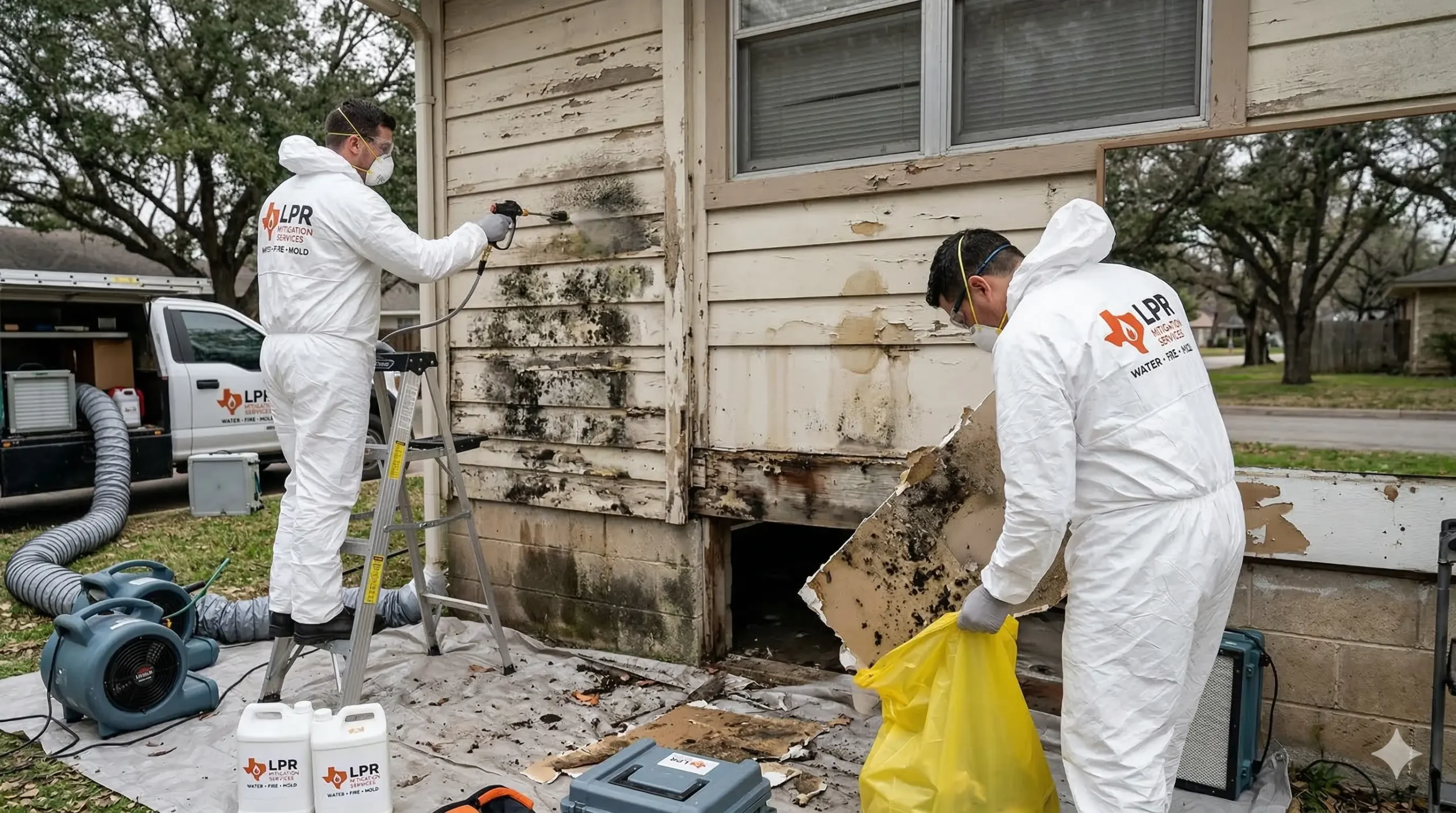
Mold is one of the most common issues homeowners face, yet it often goes unnoticed until it becomes a significant problem. Not only can mold damage the structure of your home, but it can also cause a range of health issues including allergies, respiratory problems, and skin irritation. Understanding the best strategies for cleaning up mold in homes is essential for maintaining a safe and healthy living environment.
Understanding Mold Growth in Homes
Mold thrives in environments that are damp, warm, and poorly ventilated. Bathrooms, basements, kitchens, and areas around leaky windows or pipes are particularly susceptible. Mold reproduces through spores, which are microscopic particles that can spread throughout a home and attach to surfaces such as walls, ceilings, carpets, and furniture.
When addressing cleaning up mold in homes, it’s important first to identify the source of moisture. Fixing leaks, improving ventilation, and controlling humidity are critical steps to prevent mold from returning. Without eliminating the root cause, even professional treatments can provide only a temporary solution.
DIY Mold Removal: What You Can Do
Many homeowners attempt cleaning up mold in homes themselves, especially when dealing with small, isolated patches. DIY methods can be effective for minor mold infestations if done carefully and systematically.
Assess the Situation
Before starting any mold removal project, assess the extent of the problem. Mold covering less than 10 square feet can typically be handled by homeowners. However, extensive growth, mold inside HVAC systems, or mold caused by contaminated water (like sewage) should always be handled by professionals.
Protective Gear and Safety
Safety is crucial when tackling mold. Exposure to mold spores can cause allergic reactions or worsen respiratory issues. Essential protective gear includes gloves, goggles, and an N95 respirator mask. Clothing should cover all exposed skin and be washable, as spores can cling to fabric.
Cleaning Solutions and Methods
For small mold patches, commercial mold removers or homemade solutions such as diluted bleach or vinegar can be effective. It’s important to scrub surfaces thoroughly and dispose of any materials that cannot be cleaned, such as porous insulation or carpet. After cleaning, ensure the area is completely dried to prevent mold from returning.
While DIY methods are cost-effective, they have limitations. Homeowners may miss hidden mold behind walls or under flooring, and improper handling can spread spores, making the problem worse.
When to Call Professionals
While DIY cleaning works for minor infestations, professional services are often the best approach for serious mold issues. Cleaning up mold in homes on a larger scale requires expertise, specialized equipment, and safe handling procedures.
Comprehensive Inspection
Professional mold remediation specialists begin with a detailed inspection. They use moisture meters, thermal imaging, and air quality testing to detect mold hidden in walls, ceilings, or HVAC systems. This ensures that all mold is identified, not just the visible patches.
Safe Removal Techniques
Professionals use advanced techniques like HEPA vacuuming, industrial-strength cleaners, and controlled demolition when necessary. Containment strategies prevent spores from spreading to unaffected areas of the home. This is particularly important for mold that results from water damage, as spores can easily travel through ventilation systems and air currents.
Prevention and Restoration
A key advantage of hiring professionals is their focus on prevention. They often recommend changes to reduce humidity, repair structural issues, and improve ventilation. After removal, they may restore affected areas, including drywall replacement, painting, or floor repair, ensuring your home is safe and aesthetically restored.
Comparing Costs: DIY vs Professional Mold Cleanup
One of the main considerations in cleaning up mold in homes is cost. DIY mold removal is less expensive upfront, typically involving cleaning supplies, protective gear, and disposal materials. However, it can become costly if mold spreads due to incomplete removal or improper handling.
Professional remediation is more expensive, often ranging from hundreds to several thousand dollars depending on the severity of the infestation. While the initial cost is higher, professionals provide thorough, safe, and long-lasting results, reducing the risk of recurring mold problems and potential health issues.
Health Considerations in Mold Cleanup
Health risks should never be underestimated. Mold exposure can lead to coughing, sneezing, eye irritation, and in severe cases, respiratory infections. Certain types of mold, such as black mold (Stachybotrys chartarum), produce mycotoxins that are particularly harmful.
DIY methods may inadvertently increase exposure if spores are released into the air during cleaning. Professionals have containment strategies and equipment to minimize airborne spores, reducing the risk to occupants. Families with young children, elderly members, or individuals with compromised immune systems should prioritize professional mold remediation.
Preventing Mold in the Future
Preventing mold growth is as important as removing existing mold. Homeowners should focus on controlling moisture levels through dehumidifiers, proper ventilation, and regular inspections of plumbing and roofing. Cleaning and drying areas prone to water accumulation promptly can prevent mold from taking hold.
Sealing leaks, maintaining gutters, and using mold-resistant materials during renovations can also reduce the risk. Regular maintenance combined with early detection ensures that cleaning up mold in homes remains manageable, whether through DIY efforts or professional intervention.
Making the Right Choice
Choosing between DIY and professional mold removal depends on several factors: the size of the infestation, the location of mold growth, health risks, and budget. Small, contained areas with minor mold can be handled safely with DIY techniques if proper precautions are taken. Larger infestations, hidden mold, or health-sensitive situations require professional expertise.
The most effective strategy often combines both approaches: addressing small problems immediately through DIY methods while calling professionals for more significant or complex mold issues. Early action prevents costly damage and protects the health of everyone in the home.
Conclusion
Mold is more than just an unsightly nuisance—it’s a threat to both property and health. Understanding the options for cleaning up mold in homes empowers homeowners to make informed decisions. DIY solutions can be effective for minor issues, but professional remediation ensures thorough, safe, and lasting results for severe infestations. By identifying the source of moisture, taking appropriate action, and implementing preventive measures, homeowners can maintain a healthy, mold-free living environment for years to come.