




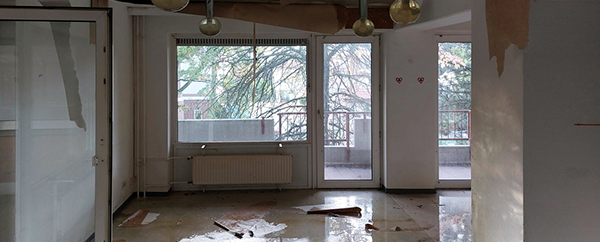
Water damage is one of the most common yet overlooked problems in homes and buildings. While some signs are obvious, others can be subtle and easy to miss until the problem has grown severe. Ignoring water damage can lead to structural issues, health risks, and expensive repairs. Recognizing the early warning signs is crucial to preventing long-term consequences. In this article, we will explore the most important indicators of water damage that should never be ignored.
Discoloration and Stains on Walls and Ceilings
One of the earliest signs of water damage is discoloration or stains on walls and ceilings. These stains often appear as yellow, brown, or darker patches, which may indicate a leak from the roof, plumbing, or an appliance. Even small spots can signal that moisture is accumulating behind the surface. Over time, these stains may expand, leading to weakened structural integrity. Pay close attention to areas near windows, under sinks, or around pipes, as these are common sources of leaks.
Peeling or Bubbling Paint and Wallpaper
Water infiltrating your walls can cause paint and wallpaper to lose adhesion. Bubbling, peeling, or cracking surfaces are a clear indication that moisture is present. While cosmetic in appearance, these signs often suggest more serious water damage within the structure, such as rotting drywall or insulation. Ignoring these symptoms can allow mold growth to flourish behind the walls, increasing health risks and repair costs.
Musty Odors
A musty smell in your home is more than just unpleasant—it’s often a warning of water damage and mold growth. Mold and mildew thrive in damp environments, producing a distinct, pungent odor. Even if you cannot see visible damage, a persistent musty smell can indicate hidden leaks or water accumulation. Detecting and addressing the source promptly is vital to preventing mold spores from spreading and affecting indoor air quality.
Warped or Buckled Flooring
Water damage can cause flooring to warp, buckle, or become uneven. Hardwood, laminate, and vinyl floors are particularly susceptible to water exposure. Moisture can seep through the subfloor, causing boards to swell and separate. Over time, this can lead to tripping hazards and permanent structural damage. If you notice any unusual warping or sagging, it is essential to inspect the source immediately, whether it is a plumbing issue, roof leak, or flooding.
Cracked or Sagging Ceilings
A sagging ceiling is a serious sign of water damage that requires immediate attention. Excessive moisture trapped above a ceiling can weaken the material, causing it to droop or crack. In severe cases, the ceiling may collapse, posing safety risks to occupants. Common sources of this type of damage include leaking roofs, burst pipes, or clogged gutters. Identifying and repairing the source is crucial to prevent further structural harm.
Rusty Pipes and Fixtures
Rust on pipes, faucets, or water heaters can indicate ongoing water damage and corrosion. Rust weakens the metal, making it more prone to leaks and bursts. Water damage caused by corroded pipes may go unnoticed until it has already caused significant issues in walls, ceilings, or floors. Regular inspection of plumbing systems can help you detect rust early and prevent extensive water damage.
Mold and Mildew Growth
Visible mold or mildew is one of the clearest signs of water damage. Mold can grow on walls, ceilings, flooring, and even furniture if moisture is present. While some molds are harmless, others can cause respiratory issues, allergies, and other health problems. Mold growth often indicates persistent water intrusion, and ignoring it can result in widespread contamination that requires professional remediation.
Damp or Soft Spots on Walls and Floors
Damp or soft areas on walls and floors are a clear warning of water damage. Pressing on a soft spot may reveal spongy or uneven surfaces, which are often caused by water saturating the underlying materials. These areas can deteriorate over time, leading to structural problems and expensive repairs. Investigating the source of moisture immediately is essential to prevent further damage.
Condensation and Excessive Humidity
Excessive condensation on windows, mirrors, or pipes can indicate high humidity levels in your home, which may result from water leaks. Persistent humidity not only contributes to water damage but also encourages mold growth and deterioration of building materials. Using a dehumidifier and addressing the source of moisture can help reduce the risk of long-term damage.
Increased Water Bills
A sudden spike in your water bill may be a hidden indicator of water damage. Leaks, even small ones, can cause a noticeable increase in water usage. If you notice higher bills without a change in consumption, it is wise to inspect your plumbing for leaks or hidden water damage. Early detection can prevent extensive damage and save money in the long run.
Cracks in the Foundation or Walls
Water damage can lead to structural stress, often visible as cracks in the foundation or walls. These cracks may appear small initially but can widen over time if water continues to infiltrate. Cracks not only compromise the building’s stability but also allow more moisture to enter, exacerbating the problem. Addressing water intrusion around the foundation, such as poor drainage or plumbing leaks, is critical to preventing serious structural damage.
Stains Around Windows and Doors
Windows and doors are common points of water intrusion. Stains, rotting wood, or swelling around these areas indicate that water is seeping in. This can result from poor sealing, damaged weatherstripping, or clogged gutters. Ignoring these signs can lead to extensive water damage inside walls and floors, as well as mold growth around entry points.
Water Spots on the Exterior
Water damage isn’t limited to the interior of your home. Exterior signs, such as discolored siding, peeling paint, or water stains on the foundation, can indicate leaks and poor drainage. Addressing exterior water damage promptly can prevent costly repairs and protect the structural integrity of your home. Proper gutter maintenance, grading, and sealing are essential preventive measures.
Swollen or Damaged Furniture
Water damage can affect more than just walls and floors. Swelling, warping, or staining of furniture often indicates water exposure. Even if the source of the damage is hidden, furniture can provide clues about ongoing leaks or high humidity in the home. Inspecting and moving affected items can help prevent further deterioration and protect your belongings.
Final Thoughts
Water damage can escalate quickly if left untreated, causing structural issues, health risks, and costly repairs. Recognizing the signs early—such as stains, odors, warped flooring, mold growth, and sagging ceilings—can make a significant difference in mitigating damage. Regular inspections, prompt repairs, and preventive maintenance are essential strategies to protect your home or building from the devastating effects of water damage. Always take any indication of moisture seriously, as early intervention is the key to avoiding major problems.