

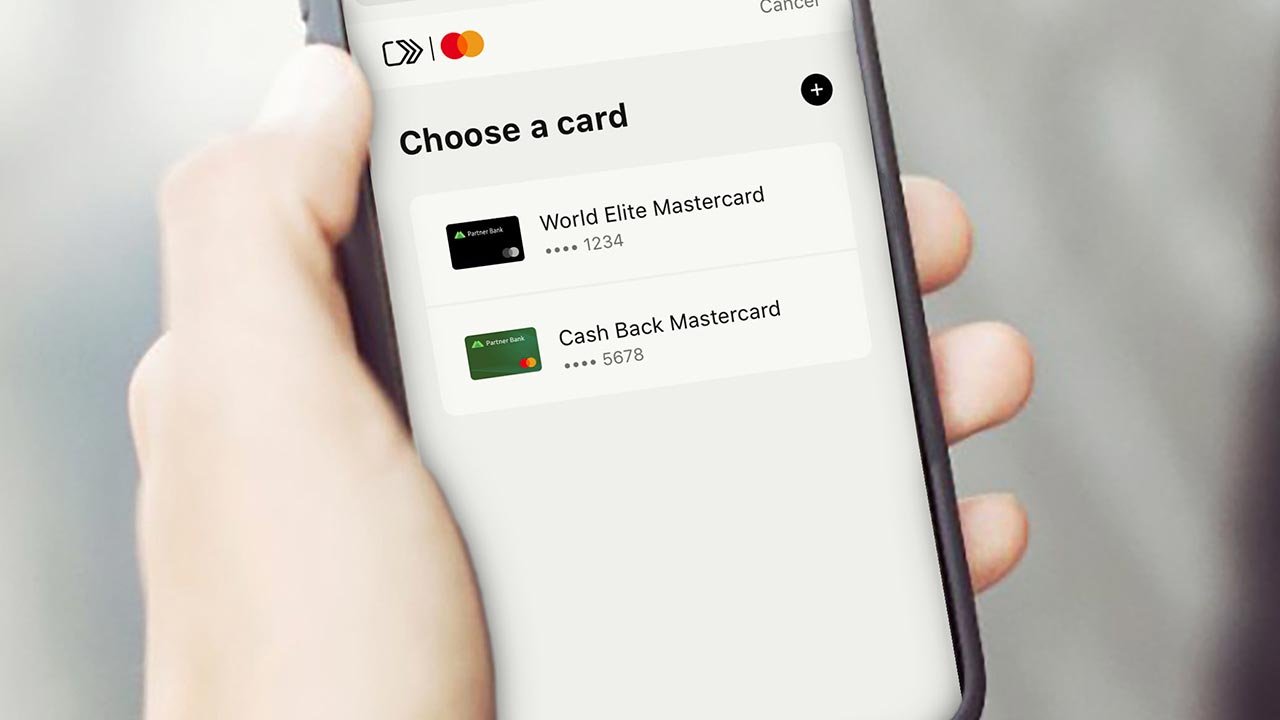
The world of eCommerce is evolving rapidly, and customer expectations are higher than ever. Today’s online shoppers demand speed, simplicity, and security—all in one seamless experience. This is where Click to Pay is transforming the checkout landscape. By eliminating friction and enabling true one-click payments, it represents the next generation of digital transactions.
Businesses that adopt solutions like https://www.fenige.com/products/click-to-pay are positioning themselves at the forefront of this revolution, offering customers a faster and more secure way to complete purchases.
What Is Click to Pay?
Click to Pay is a unified online payment system developed by major card networks such as Visa, Mastercard, American Express, and Discover. It allows users to store their card details securely and use them across multiple websites without re-entering information every time.
Unlike older systems that required separate logins or multiple payment buttons, Click to Pay simplifies the process into a single, consistent checkout option. With just one click, users can select their saved card and complete a transaction in seconds.
This innovation aligns perfectly with the broader concept of one-click checkout, where customers can finalize purchases without repeatedly entering personal and payment details.
How Click to Pay Works
The functionality behind Click to Pay is designed for both simplicity and security. When a shopper reaches checkout on a participating website, they can select the Click to Pay option. Instead of filling out long forms, they simply:
- Enter their email or are recognized automatically
- Verify their identity using a one-time code
- Choose a saved card to complete the purchase
All billing, shipping, and payment details are stored securely and retrieved instantly.
This streamlined process removes unnecessary steps and significantly reduces checkout time, making it ideal for modern consumers who value convenience.
Why One-Click Checkout Matters
One-click checkout is not just a convenience feature—it’s a business necessity. Online shoppers often abandon their carts due to complicated or time-consuming checkout processes. By simplifying the experience, businesses can dramatically improve conversion rates.
Studies show that reducing friction at checkout directly impacts sales performance. Faster payment systems can save valuable seconds per transaction and encourage customers to complete their purchases rather than abandon them.
Click to Pay addresses this challenge by offering a smooth, intuitive checkout experience that mirrors the simplicity of in-store contactless payments.
Key Benefits of Click to Pay
Faster Checkout Experience
Speed is one of the biggest advantages of Click to Pay. Customers no longer need to input card numbers, expiration dates, or addresses repeatedly. Everything is stored and ready to use, enabling near-instant transactions.
This efficiency is especially valuable on mobile devices, where typing can be tedious and time-consuming.
Enhanced Security
Security is a major concern in online payments, and Click to Pay addresses it through advanced technologies like tokenization. Instead of sharing actual card details, the system uses encrypted tokens to process transactions.
This significantly reduces the risk of fraud and protects sensitive customer data.
Reduced Cart Abandonment
A complicated checkout process is one of the leading causes of cart abandonment. By simplifying payments into a single click, businesses can remove barriers and encourage customers to complete their purchases.
Cross-Platform Compatibility
Click to Pay works across devices, browsers, and payment networks. Whether a customer is shopping on a smartphone, tablet, or desktop, the experience remains consistent and seamless.
No Need for Multiple Accounts
Unlike older payment systems, Click to Pay eliminates the need for separate accounts for different card providers. One unified system handles all supported cards, making it easier for users to manage their payments.
Click to Pay vs Traditional Checkout
Traditional online checkout often involves multiple steps: entering personal details, billing information, card numbers, and verification codes. This process can be time-consuming and frustrating.
In contrast, Click to Pay simplifies everything into a few quick actions. The difference is not just in speed but also in user experience. Customers are more likely to trust and return to websites that offer fast and secure payment options.
Additionally, traditional methods expose more sensitive data during transactions, whereas Click to Pay minimizes this risk through secure token-based processing.
The Role of Click to Pay in eCommerce Growth
As eCommerce continues to expand globally, the demand for efficient payment solutions is growing. Consumers expect the same ease of payment online as they experience in physical stores with contactless cards.
Click to Pay bridges this gap by bringing a “tap-and-go” experience to digital platforms. It aligns with modern shopping behaviors and supports the increasing use of mobile commerce.
For merchants, this means higher conversion rates, improved customer satisfaction, and stronger brand loyalty.
Why Businesses Should Adopt Click to Pay
Businesses that fail to optimize their checkout experience risk losing customers to competitors. Implementing Click to Pay offers several strategic advantages:
- Improved user experience
- Higher conversion rates
- Lower fraud risk
- Increased customer trust
Solutions like https://www.fenige.com/products/click-to-pay make it easier for businesses to integrate this technology into their existing systems without complex development processes.
Moreover, Click to Pay is designed to work seamlessly with existing payment infrastructures, making adoption both practical and cost-effective.
Challenges and Considerations
While Click to Pay offers numerous benefits, businesses should also consider a few challenges:
- Customer awareness is still growing, and some users may not be familiar with the system
- Integration may require coordination with payment providers
- Not all merchants currently support Click to Pay
However, these challenges are diminishing as adoption increases and more platforms integrate this technology.
The Future of Online Checkout
The future of online payments is centered around speed, security, and simplicity. Click to Pay is a significant step toward achieving these goals. As more consumers and businesses embrace this technology, it is likely to become a standard feature in eCommerce.
Emerging trends such as biometric authentication, AI-driven fraud detection, and personalized shopping experiences will further enhance the capabilities of one-click checkout systems.
Click to Pay is not just a trend—it’s a foundational shift in how online transactions are conducted.
Conclusion
Click to Pay represents the future of one-click online checkout by combining convenience, security, and efficiency into a single solution. It eliminates the friction associated with traditional payment methods and delivers a seamless experience that meets the expectations of modern consumers.
For businesses looking to stay competitive in the digital marketplace, adopting solutions like https://www.fenige.com/products/click-to-pay is no longer optional—it’s essential. By embracing this technology, companies can enhance customer satisfaction, boost conversions, and prepare for the next wave of eCommerce innovation.