

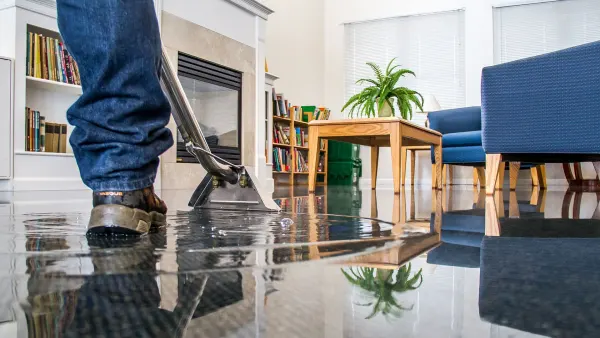
Flooding can cause devastating damage to homes and businesses. From waterlogged floors to ruined furniture, the aftermath of a flood is often overwhelming. Proper flood damage cleanup is crucial not only to restore your property but also to prevent health hazards like mold and bacteria growth. This guide will provide essential tools, techniques, and tips to make the cleanup process effective and safe.
Understanding Flood Damage
Flood damage is more than just water in your home. It can affect structural integrity, electrical systems, furniture, and personal belongings. The severity of the damage depends on factors such as water level, duration of exposure, and whether the water is clean, gray, or black. Clean water comes from sources like broken pipes, while gray water may contain chemicals or contaminants, and black water is heavily contaminated, often from sewage or storm runoff. Identifying the type of water is critical for safe and effective flood damage cleanup.
Safety First
Before starting any cleanup, ensure personal safety. Flooded areas can contain hidden hazards such as sharp objects, live electrical wires, or contaminated water. Wear protective gear including waterproof boots, gloves, masks, and eye protection. Ensure the electricity is turned off in affected areas to prevent the risk of electrocution. For severe floods or black water scenarios, consider hiring professional flood damage cleanup services to handle the situation safely.
Essential Tools for Flood Damage Cleanup
Having the right tools is key to efficient flood damage cleanup. The following items are essential for homeowners tackling minor floods or for professionals managing extensive damage.
Water Removal Equipment
Pumps, wet/dry vacuums, and buckets are essential for removing standing water. Submersible pumps are ideal for large areas, while wet/dry vacuums help with smaller, hard-to-reach spaces. Removing water quickly minimizes structural damage and reduces the risk of mold growth.
Drying and Dehumidifying Tools
Once water is removed, drying the area is critical. Industrial fans, air movers, and dehumidifiers help accelerate the drying process. Proper ventilation, like opening windows and doors, also aids in drying but should be combined with mechanical drying tools for best results.
Cleaning Supplies
Flood water can bring dirt, bacteria, and chemicals. Use disinfectants, detergents, and cleaning agents specifically designed for flood damage cleanup. Brushes, mops, and sponges are necessary for scrubbing surfaces, while plastic sheeting can protect unaffected areas during cleanup.
Protective Gear
Safety gear is non-negotiable. Wear waterproof boots, rubber gloves, and protective clothing to avoid skin contact with contaminated water. Respirators or masks prevent inhaling mold spores or harmful particles. Eye protection keeps debris and chemicals out of your eyes.
Moisture Detection Tools
Detecting moisture hidden behind walls, under floors, or inside furniture is essential to prevent long-term damage. Moisture meters and infrared cameras can help identify areas that require further drying and treatment, ensuring thorough flood damage cleanup.
Step-by-Step Flood Damage Cleanup Process
A systematic approach makes flood damage cleanup more manageable and effective. Following these steps ensures both safety and thorough restoration.
Assessing the Damage
Start by evaluating the extent of flood damage. Document everything with photos and notes for insurance purposes. Determine which items can be salvaged and which require disposal. Structural damage, waterlogged electrical systems, and personal belongings should be assessed carefully.
Removing Water
Remove standing water as quickly as possible using pumps, wet/dry vacuums, or buckets. The longer water remains, the more it compromises building materials and increases the risk of mold growth. Focus on low-lying areas first and work toward proper drainage.
Cleaning and Disinfecting
Clean all affected surfaces with soap and water, followed by disinfectants. Pay special attention to kitchens, bathrooms, and areas exposed to black water. Remove debris and contaminated items to prevent bacterial growth. Wood, drywall, and flooring may need specialized treatment or replacement depending on the damage.
Drying and Dehumidifying
After cleaning, thoroughly dry the area using fans, air movers, and dehumidifiers. Open windows for natural ventilation if weather allows. Regularly check for moisture in hidden spaces to prevent mold from forming.
Salvaging Belongings
Assess which items can be saved. Clothing, furniture, and electronics exposed to clean water may be salvaged with proper cleaning and drying. Items exposed to gray or black water often require professional cleaning or disposal to avoid health risks.
Preventing Mold Growth
Mold can begin growing within 24–48 hours after flooding. Use antifungal treatments on affected areas, keep humidity low, and ensure continuous airflow. Regular inspection during the weeks following a flood helps identify and address mold before it becomes a serious problem.
Tips for Effective Flood Damage Cleanup
Following best practices enhances the efficiency and safety of flood damage cleanup.
- Act quickly: Time is critical in reducing water damage and preventing mold.
- Protect yourself: Always wear safety gear and avoid contaminated areas without protection.
- Prioritize safety hazards: Check for electrical issues and structural instability before entering flooded areas.
- Keep thorough records: Take photos and notes for insurance claims and future reference.
- Consider professional help: Severe floods, especially with black water, require experienced cleanup teams to ensure proper restoration.
When to Hire Professionals
While minor flooding can often be managed by homeowners, larger incidents require professional intervention. Flood damage cleanup experts have specialized equipment, experience, and knowledge to handle contaminated water, structural damage, and mold prevention. Hiring professionals can save time, reduce health risks, and ensure the property is restored to a safe condition.
Conclusion
Flood damage cleanup is a challenging yet crucial process for protecting your property and health. With the right tools, safety precautions, and systematic approach, you can mitigate damage, prevent mold, and restore your home efficiently. Remember, acting quickly and prioritizing safety are the keys to successful flood damage cleanup. For severe or contaminated flooding, professional assistance ensures thorough restoration and peace of mind.