

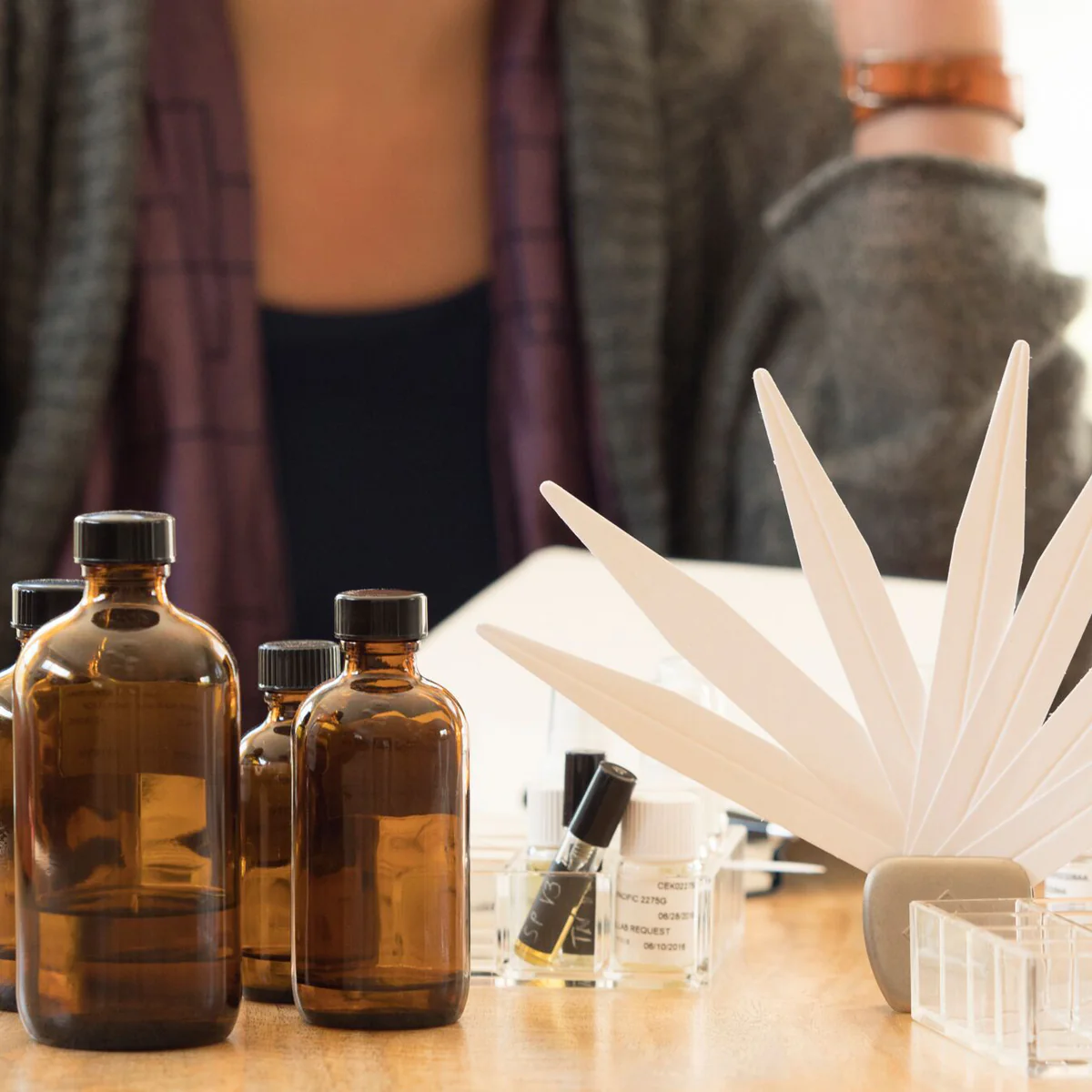
Custom fragrance oils have become a favorite among DIY enthusiasts and small business owners alike. They offer the ability to create unique scents that reflect personal tastes or brand identities. Whether you are crafting candles, soaps, or other scented products, understanding how to properly use custom fragrance oils can dramatically improve your creations. This guide will walk you through everything you need to know, from selecting the right oils to blending them safely into your products.
Understanding Custom Fragrance Oils
Custom fragrance oils are specially formulated scent compounds that are designed to be added to various products. Unlike essential oils, which are derived directly from natural sources, custom fragrance oils can combine natural and synthetic ingredients to achieve a wider range of aromas. This allows for scents that are more consistent, long-lasting, and often more complex than what can be achieved with essential oils alone.
When choosing custom fragrance oils, it’s essential to consider their compatibility with the product you are making. For example, some oils may not blend well with certain soap bases or may affect the burning quality of a candle. Always check the manufacturer’s guidelines and recommended usage rates before starting your project.
Using Custom Fragrance Oils in Candles
Candles are one of the most popular ways to showcase custom fragrance oils. The key to successful candle making lies in balancing scent strength with proper wax selection. Here’s how to do it:
- Choose the Right Wax: Different waxes—such as soy, paraffin, or beeswax—hold fragrance oils differently. Soy wax, for instance, has a lower melting point and can sometimes require more fragrance oil to achieve the desired scent throw.
- Determine the Proper Load: Most candle makers recommend using 6-10% fragrance oil relative to the weight of the wax. Exceeding this percentage can lead to issues such as poor burning, sweating, or even flaring when the candle is lit.
- Add Fragrance at the Correct Temperature: Each wax has a specific pouring temperature. Add custom fragrance oils when the wax has cooled to the manufacturer’s recommended temperature, usually between 170°F and 185°F. Adding fragrance too early or too late can affect scent retention.
- Stir Thoroughly: Proper mixing ensures the fragrance oil is evenly distributed throughout the wax, preventing weakly scented spots in the finished candle.
- Curing the Candle: Allow candles to cure for at least 24-48 hours before burning. This allows the fragrance to bind with the wax, enhancing scent throw when lit.
Incorporating Custom Fragrance Oils into Soaps
Custom fragrance oils are also ideal for soap making, whether using melt-and-pour bases, cold process, or hot process methods. The use of these oils allows soap makers to create scents that stand out in a crowded market.
- Melt-and-Pour Soap: Melt your soap base gently, add the custom fragrance oil at around 120°F to 130°F, and stir thoroughly. Pour the mixture into molds and let it set. Be careful with the amount of fragrance oil, as too much can cause the soap to sweat or become sticky.
- Cold Process Soap: For cold process soaps, fragrance oils should be added at trace, the stage where the soap mixture thickens but is still pourable. Adding oils too early in the process can interfere with saponification, while adding them too late can result in uneven scent distribution.
- Hot Process Soap: In hot process soap, add fragrance oils after the soap has cooked and cooled slightly to prevent the heat from evaporating or altering the scent.
- Safety Considerations: Some fragrance oils can irritate the skin or react with lye in cold process soap. Always check the recommended usage rates and perform a small test batch if you are using a new oil.
Other Creative Uses for Custom Fragrance Oils
Beyond candles and soaps, custom fragrance oils can be used in a variety of products to create a personalized aromatic experience.
- Bath Products: Add custom fragrance oils to bath bombs, salts, and oils. They can provide a luxurious spa-like experience at home. Ensure you follow the recommended dilution rates to prevent skin irritation.
- Lotions and Body Creams: Fragrance oils can be incorporated into creams and lotions to add a unique scent. Because these products are applied directly to the skin, it’s crucial to select oils labeled safe for cosmetic use and follow proper dilution guidelines.
- Room Sprays and Diffusers: Combine custom fragrance oils with water or carrier oils to make room sprays or reed diffusers. This is a simple way to extend the aromatic appeal of your custom scents beyond personal care products.
- Wax Melts: Similar to candles, wax melts allow you to enjoy the fragrance without an open flame. Combine custom fragrance oils with your chosen wax and pour into molds for a convenient, scent-filled option.
Tips for Maximizing the Effect of Custom Fragrance Oils
- Experiment with Blends: Don’t hesitate to mix different fragrance oils to create a unique scent profile. Some oils blend better than others, so small test batches are essential.
- Consider Seasonal and Thematic Scents: Aligning your fragrance oils with holidays, seasons, or events can make your products more appealing. For example, pumpkin spice for autumn or lavender and chamomile for relaxation-themed products.
- Labeling and Storage: Properly label all your custom fragrance oils with the date of purchase and usage instructions. Store them in cool, dark places to prevent degradation.
- Test for Longevity: The scent in a product can change over time. Test your candles, soaps, and other products periodically to ensure the fragrance remains strong and pleasant.
Conclusion
Using custom fragrance oils opens up a world of creativity for DIY crafters and small business entrepreneurs. Whether you are making candles, soaps, bath products, or lotions, understanding how to incorporate these oils safely and effectively can elevate your products to the next level. By experimenting with different blends, following recommended usage rates, and considering the properties of each medium, you can craft unique, high-quality scented products that leave a lasting impression. Custom fragrance oils are not just ingredients—they are the heart of your aromatic creations.