

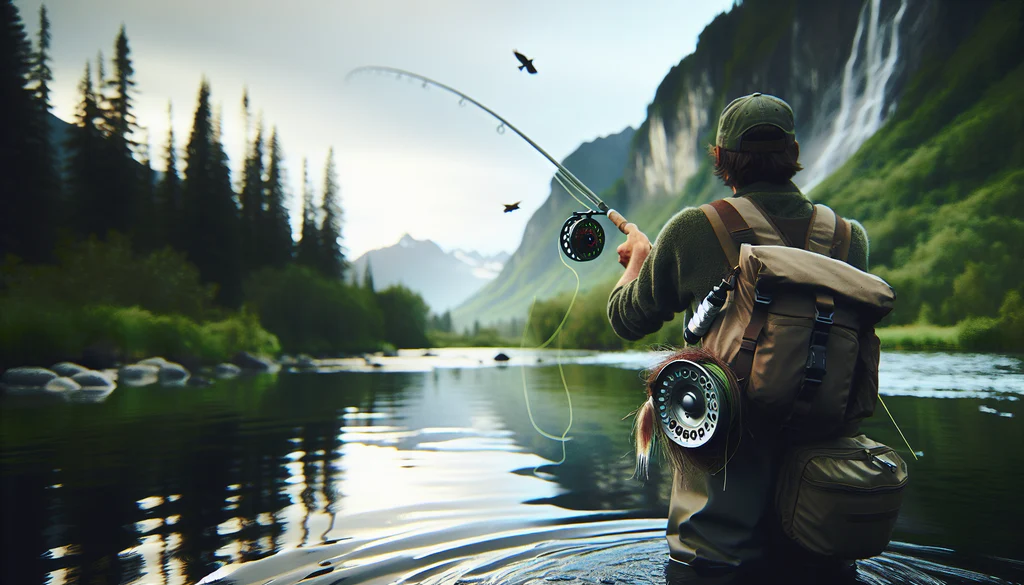
There is a moment every fly angler remembers vividly: the first time a trout confidently rose to their dry fly, or the sudden, electric pull of a bass smashing a popper. It’s a moment of connection—not just with the fish, but with the rhythm of the river and the art of the cast.
But between that initial spark of interest and the moment of triumph lies a steep learning curve. Whether you are a beginner trying to master the double haul or a seasoned veteran exploring a new species, the quality of your journey depends entirely on the quality of your fly fishing resources.
At Cast & Fly, we understand that fly fishing is more than just a hobby; it is a pursuit of knowledge. To help you spend less time scratching your head and more time with your line in the water, here is a guide to building a smarter fly fishing practice.
1. The Digital Rise: Finding Current Information
The days of relying solely on a dog-eared local guidebook from 1995 are over. The modern angler has the world at their fingertips, but the internet is a double-edged sword. For every accurate hatch chart, there are ten outdated forum posts leading you astray.
This is why curating your online fly fishing resources is vital. You need up-to-date information on river flows, weather patterns, and seasonal insect hatches. A resource like Cast & Fly aims to cut through the noise, offering consolidated information that helps you answer the most important question before you even tie on your first fly: What are they eating right now, and where are they holding?
2. Gear Mastery: Matching the Outfit to the Environment
Walk into any fly shop, and you are confronted by a wall of graphite, bamboo, and fiberglass. Rod weights, line tapers, reel drag systems—the terminology can be overwhelming. Having access to in-depth gear breakdowns is one of the most underrated fly fishing resources available.
You wouldn’t bring a 9-foot 8-weight rod designed for steelhead to a small Blue Ridge Mountain stream for brook trout. Understanding the “why” behind gear selection saves you money and frustration. Resources that explain the nuances of a European nymphing setup versus a traditional swinging wet fly rig allow you to adapt to the water in front of you, rather than fighting against your equipment.
3. The Art of the Cast: Technique Over Luck
Fly fishing is often described as “meditative,” but it doesn’t feel that way when you’re untangling a wind knot every third cast. The beauty of the sport is that there is always a mechanical adjustment to be made.
The best resources break down casting into digestible pieces. They focus on the stop, the drift, and the power snap. By studying different techniques—from tight-loop casting in windy conditions to the delicate presentation required for skittish tailwater trout—you transform from someone who merely throws line into someone who truly casts it.
4. Stewardship and Ethics
Finally, the most important resources aren’t just about catching fish; they are about preserving the ability to do so. Conservation is the backbone of the fly fishing community. The best fly fishing resources today emphasize Catch and Release best practices, river clean-up initiatives, and respectful etiquette on crowded waters.
At Cast & Fly, we believe that knowledge is the currency of our sport. The more we learn about the ecosystems we love, the better we protect them for the next generation of anglers.
Casting Forward
Whether you are planning a trip to a legendary Western river or simply want to conquer your local pond, success starts long before you wade into the water. It starts with research, preparation, and a thirst for knowledge.
Visit Cast & Fly today to explore the tools, tips, and insights that will help you read the water better, choose the right fly, and ultimately, feel that tug on the line more often.
Tight lines, and we’ll see you on the water.