
Introduction
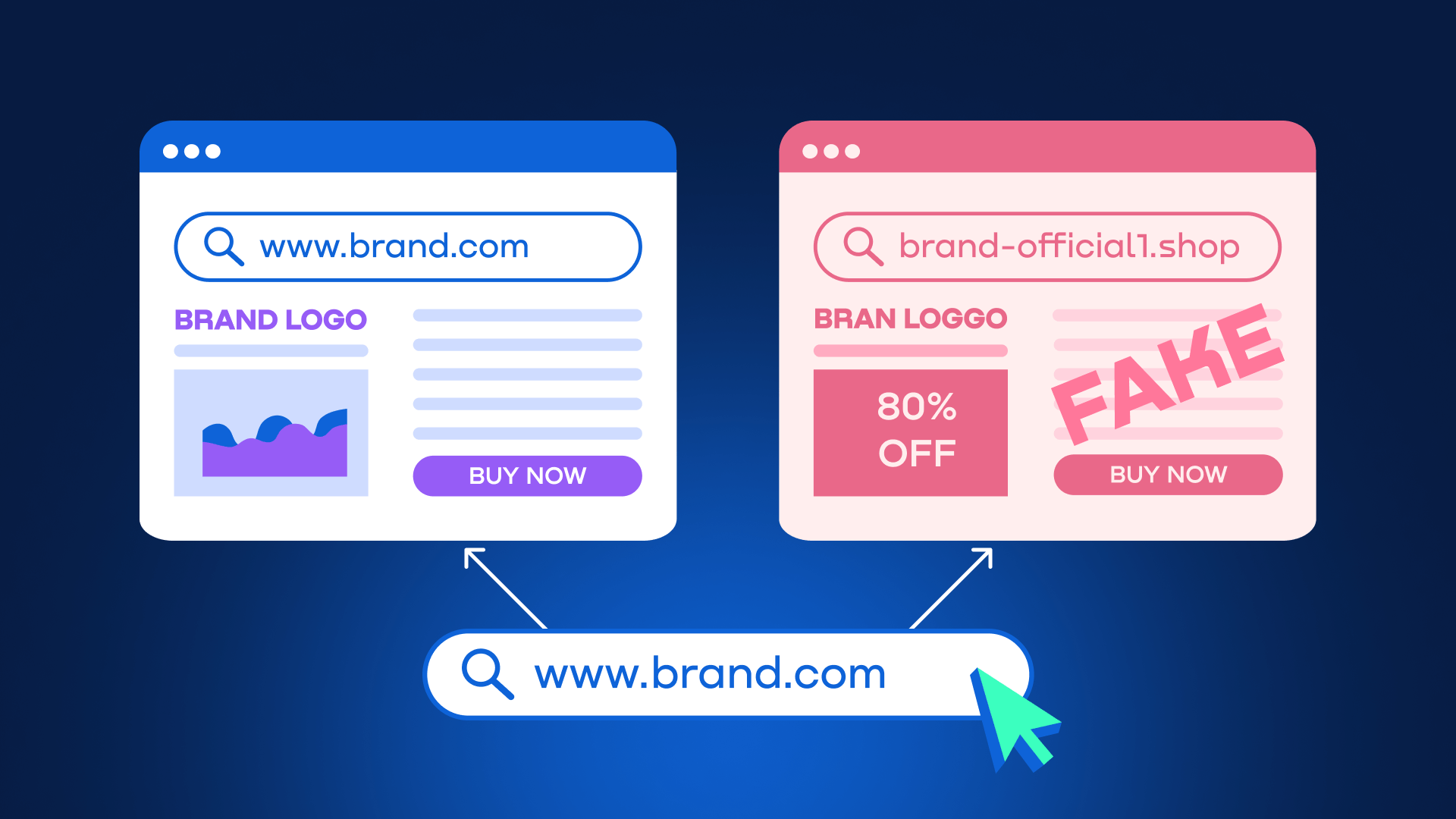
Ads Cloaking is a term often discussed among digital marketers, usually for the wrong reasons. While it refers to showing one version of a webpage to ad reviewers and another to real users, it is important to emphasize that this practice violates advertising policies across all reputable platforms, including Google and Meta. As a result, true integrity-focused marketers do not engage in Ads Cloaking; instead, they study it to understand risks, avoid penalties, and strengthen the trustworthiness of their campaigns.
This article explores how to navigate the topic responsibly—focusing on transparency, compliance, and long-term brand protection—while fully avoiding any unethical or deceptive application.
Understanding Ads Cloaking in Digital Marketing
Before identifying best practices for staying compliant, marketers must understand what Ads Cloaking actually involves.
In most cases, Ads Cloaking is used to bypass automated reviews by hiding prohibited content such as misleading offers, adult material, counterfeit goods, or unrealistic financial claims. Ad platforms consider this a severe violation. Any attempt to implement such tactics leads to account suspensions, loss of advertising privileges, and long-term damage to brand reputation.
Therefore, the only responsible approach is to treat Ads Cloaking as an example of what not to do, while learning from it to improve the honesty and clarity of your marketing strategy.
Prioritizing Transparency and Integrity
Ethical marketing begins with complete honesty. Transparency builds a direct bridge between your brand and your audience. Here are the core principles to follow when ensuring your advertising remains authentic and aligned with platform policies.
Ensure Consistency Between Ads and Landing Pages
The content in your advertisement must reflect exactly what users see when they click the ad. Avoid exaggerated claims, misleading headlines, or hidden fees. Even honest marketers sometimes unintentionally create inconsistency—usually because teams update landing pages without updating ad creatives. Regular audits prevent this.
Follow Platform Guidelines Strictly
Google Ads, Meta Ads, TikTok Ads, and all major networks publish clear compliance requirements. These rules exist not to restrict marketers but to protect users from harmful experiences. Ethical advertisers review these policies frequently and ensure their campaigns consistently align with them.
Using Insights from Ads Cloaking Ethically
Although Ads Cloaking cannot and should not be practiced, understanding why people attempt it can help responsible marketers strengthen their strategies.
Strengthen Quality Signals
One reason some try cloaking is to hide low-quality or irrelevant content. By analyzing this motivation, you can focus on improving user experience, page loading speed, readability, mobile usability, and valuable content. These improvements benefit both ad performance and user satisfaction.
Improve Ad Relevancy
Instead of manipulating review systems, ethical marketers improve relevancy through smart targeting, clear messaging, and data-driven optimization. When your ads match user intent, you naturally see better engagement and lower cost-per-click.
Build Trust and Long-Term Visibility
Cloaking attempts often come from short-term thinking. Successful brands think long-term and prioritize credibility. A single dishonest tactic can cause years of damage; meanwhile, transparent marketing consistently builds customer loyalty and dependable performance.
Best Practices for Ethical Advertising
If your goal is to maximize campaign performance without risking penalties, these strategies will help you maintain integrity:
Conduct Regular Landing Page Reviews
Review your website and landing pages to make sure they fully align with your ad promises. Any outdated claims or unclear information should be addressed immediately.
Maintain Crystal-Clear User Intent Alignment
Every ad click should lead to the exact solution the user expected. This improves conversion rates and avoids the confusion that leads to negative feedback.
Avoid Aggressive or Misleading Copy
Over-promising might seem attractive, but users quickly lose trust when reality doesn’t match the ad. Ethical marketers avoid deceptive urgency tactics or unrealistic claims.
Use A/B Testing the Right Way
Testing variations of headlines, creatives, and layouts is essential. The key difference between A/B testing and cloaking is transparency—every visitor should see only the version intended for them, not a disguised or deceptive version.
Invest in Compliance Tools
Modern tools scan your landing pages for policy violations. These solutions help ensure that your ads remain safe, compliant, and trustworthy.
Why Integrity Is the Most Important Best Practice
Advertising success is not just about clicks; it’s about what happens after the click. Integrity ensures that each step of the user’s journey is honest and reliable. When users trust your brand, engagement increases, bounce rates drop, and conversions rise naturally.
Integrity also protects your business from the severe consequences associated with Ads Cloaking. Account bans, permanent suspensions, and blacklisted domains are extremely difficult—sometimes impossible—to recover from. The long-term cost far outweighs any short-lived gain.
Brands that grow sustainably always choose transparency, consistency, and authenticity.
Building a Long-Term Advertising Strategy Without Resorting to Cloaking
To build strong and durable digital advertising campaigns, you need to focus on foundational strategies that eliminate the need for risky shortcuts.
Prioritize High-Quality Content
High-value content always performs better than deceptive tactics. Whether it’s landing page guides, product descriptions, or educational blog posts, giving value builds authority and increases conversion rates.
Improve Technical SEO
Fast loading pages, mobile-optimized layouts, and structured content help both users and ad algorithms. When your site performs well, your ads perform better too.
Focus on Real Customer Needs
Ethical marketing always starts with understanding the pain points of your target audience. When your product genuinely addresses those problems, your ads speak more naturally to the user—no manipulation needed.
Build Retargeting and Loyalty Funnels
When you provide a reliable experience, users return. Retargeting audiences built on trust outperform cold traffic because people prefer brands they feel are honest.
Conclusion
Ads Cloaking has become a widely discussed topic, but it is crucial to understand that it is never a legitimate or ethical marketing practice. Instead of looking for ways to implement such deceptive methods, responsible marketers should focus on transparency, user value, compliance, and strategic optimization.
By understanding the concept of Ads Cloaking from an educational perspective—not an operational one—you protect your brand, improve campaign performance, and build long-lasting trust with your audience. Ethical advertising is always the smarter path, and integrity is the most powerful tool any marketer can use for sustainable success.