
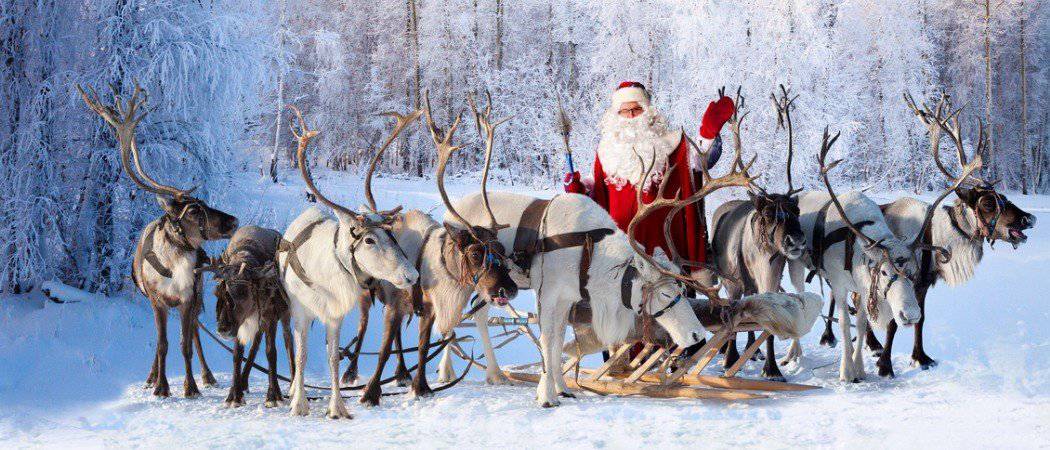
Christmas has always been associated with joy, wonder, and timeless traditions, and among the most beloved symbols of the season are the Christmas Reindeer. These majestic creatures have transcended folklore, literature, and popular culture to become integral to holiday celebrations across the globe. More than just Santa’s helpers pulling his sleigh through snowy skies, reindeer carry profound symbolism, embodying themes of strength, endurance, magic, and unity. This article takes a deep dive into the symbolism and importance of Christmas Reindeer, exploring their history, cultural significance, and enduring role in festive traditions.
The Origins of Christmas Reindeer
The story of Christmas Reindeer finds its roots in Northern European folklore. Reindeer, native to the Arctic and subarctic regions, were central to the lives of indigenous peoples such as the Sami in Scandinavia and the Nenets in Russia. These communities depended on reindeer for food, clothing, and transportation, making the animals a symbol of survival and resilience in harsh environments. Their connection to winter landscapes made them natural figures to weave into stories of snow, endurance, and magic.
The modern association of reindeer with Christmas began in the early 19th century. The famous 1823 poem A Visit from St. Nicholas, widely known as The Night Before Christmas, introduced the idea of Santa’s sleigh being drawn by “eight tiny reindeer.” This literary creation solidified reindeer as essential companions of Santa Claus, bridging myth and festivity. Over time, the Christmas Reindeer became emblematic of holiday magic, their imagery spreading across literature, art, songs, and advertising.
Symbolism of Christmas Reindeer
Strength and Endurance
Christmas Reindeer symbolize strength and resilience. In nature, these animals endure some of the harshest climates on Earth, migrating long distances and thriving in frozen tundras. Their symbolic presence during Christmas reflects the endurance of the human spirit, reminding us of perseverance in challenging times. Just as reindeer power through snowstorms, people are encouraged to move forward with courage and determination through life’s struggles.
Guidance and Direction
Reindeer are also symbols of guidance. In many stories, they are not only Santa’s helpers but also his navigators, finding their way through foggy nights and stormy weather. This role signifies clarity and direction, reminding us to stay true to our paths and trust our inner compass during life’s uncertain moments. Rudolph, the red-nosed reindeer, epitomizes this symbolism with his glowing nose guiding the sleigh, teaching lessons of leadership and embracing uniqueness.
Unity and Teamwork
The Christmas Reindeer embody teamwork, as Santa’s sleigh cannot be pulled by one alone. The imagery of eight reindeer working together harmoniously reflects unity, cooperation, and the power of collective effort. This symbolism resonates strongly during the holiday season, when families and communities gather to celebrate togetherness and shared joy.
Magic and Wonder
Perhaps the most enchanting aspect of Christmas Reindeer is their magical symbolism. They are not ordinary animals in festive lore—they can fly, communicate, and cross the globe in a single night. This magic embodies the wonder of Christmas itself, a season where the impossible becomes possible, and imagination brings joy to both children and adults alike.
Cultural Importance of Christmas Reindeer
Literature and Storytelling
Christmas Reindeer hold a special place in holiday literature. From the anonymous author of The Night Before Christmas to Robert L. May’s creation of Rudolph in 1939, these animals have captured imaginations for centuries. Their stories are not just for children; they carry lessons of courage, acceptance, and hope, making them timeless narratives for people of all ages.
Popular Culture and Media
The reindeer’s importance is magnified through media and popular culture. Animated films, holiday songs, and television specials have made reindeer household names. Rudolph, in particular, has become an iconic character, teaching the value of individuality and resilience. Movies and advertisements often feature reindeer as symbols of festive joy, reinforcing their place in global holiday culture.
Decorations and Festive Traditions
From ornaments to greeting cards, Christmas Reindeer feature prominently in holiday decorations. Their imagery is synonymous with Christmas cheer, often depicted flying across night skies, adorned with bells, or standing gracefully in snowy landscapes. For many, decorating with reindeer motifs is an essential part of preparing for the season, linking households to a larger cultural celebration.
Commercial and Economic Influence
Beyond symbolism, reindeer have also become vital to the holiday economy. Products featuring reindeer imagery—plush toys, figurines, holiday clothing, and décor—dominate seasonal markets. This commercial popularity underscores their importance, not just as cultural figures but also as key contributors to the economic cycle of Christmas celebrations.
The Lessons of Christmas Reindeer
Christmas Reindeer are more than festive symbols; they carry valuable lessons that resonate with the spirit of the season.
- Embracing uniqueness: The story of Rudolph encourages individuals to embrace their differences, showing how personal strengths can shine in unexpected ways.
- Working together: The team of reindeer pulling Santa’s sleigh illustrates the importance of cooperation and unity.
- Believing in magic: The reindeer’s ability to fly invites us to keep wonder alive, fostering joy, imagination, and hope during the holiday season.
- Persevering through challenges: Their endurance in nature reminds us to stay strong and resilient, especially during difficult times.
Global Perception of Christmas Reindeer
While Christmas Reindeer are most closely tied to Western traditions, their influence has spread worldwide. In countries where Christmas is celebrated, reindeer appear in media, marketing, and storytelling, even where they are not native animals. This global recognition has transformed them into universal symbols of the holiday season, bridging cultures through shared imagery of joy and festivity.
Interestingly, in places where reindeer naturally live, such as Scandinavia, Russia, and Canada, their symbolic presence in Christmas traditions resonates even more deeply. There, the line between cultural heritage and festive folklore blurs, creating a meaningful connection between real-world practices and holiday magic.
The Enduring Legacy of Christmas Reindeer
The importance of Christmas Reindeer continues to grow with each generation. Their symbolism of magic, unity, and endurance ensures that they remain timeless figures of holiday celebrations. As society evolves, the reindeer’s role in literature, media, and traditions adapts, yet their core meaning endures—spreading joy, inspiring belief, and reminding us of the values central to the Christmas season.
Their legacy is not just confined to decorations or stories but lives in the collective imagination of millions worldwide. Every time a child waits for Santa’s sleigh or a family decorates their home with reindeer ornaments, they participate in keeping this tradition alive.
Conclusion
Christmas Reindeer are far more than decorative symbols of the holiday season; they are carriers of deep meaning and cultural importance. Rooted in folklore and shaped by literature, they represent strength, guidance, teamwork, and magic. From Santa’s sleigh to global traditions, reindeer embody the essence of Christmas—hope, unity, and wonder. Their enduring symbolism ensures that they will continue to be cherished icons, guiding generations through the holiday spirit with timeless grace and festive charm.