
The plastics industry continuously seeks innovative solutions to improve product quality, manufacturing efficiency, and material performance. As manufacturers face increasing demands for durable, lightweight, attractive, and cost-effective plastic products, additives have become an essential part of modern plastic production. Among the various solutions available, Silicone Additives play an important role in enhancing the physical properties, processing characteristics, and overall performance of plastic materials.
Silicone-based additives are widely used in different polymer applications because of their excellent lubricating properties, thermal stability, chemical resistance, and ability to improve surface characteristics. Whether manufacturers produce packaging materials, automotive components, household products, electrical equipment, or construction materials, these additives can help achieve consistent and reliable results.
Understanding their benefits and applications allows manufacturers to select suitable formulations and improve their production processes.
Understanding Silicone Additives in Plastic Manufacturing
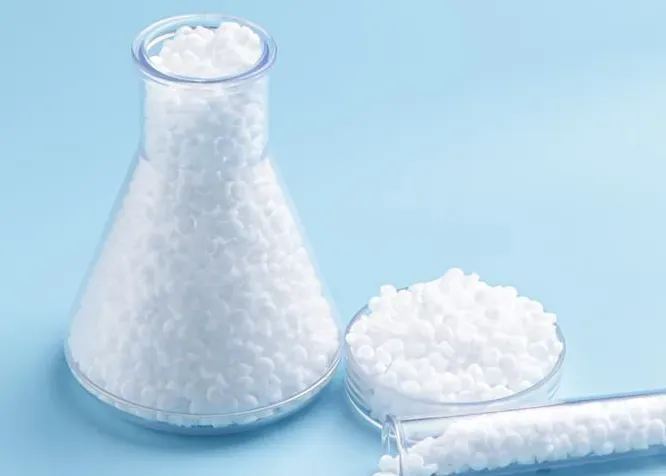
Silicone Additives are specialized materials incorporated into plastic formulations to modify or enhance specific properties. They are commonly available in different forms, including silicone masterbatch, silicone powders, silicone fluids, and other silicone-based compounds.
These additives interact with polymer systems to improve processing efficiency and finished product characteristics. Depending on their chemical composition and application requirements, they can provide lubrication, reduce friction, improve surface smoothness, and enhance resistance to wear and scratches.
Unlike conventional additives that may focus on only one performance characteristic, silicone-based solutions can provide multiple benefits within a single formulation. This makes them valuable for manufacturers working with polyethylene (PE), polypropylene (PP), acrylonitrile butadiene styrene (ABS), and other thermoplastic materials.
Key Benefits of Silicone Additives
1. Improved Processing Efficiency
One of the most important advantages of silicone-based additives is their ability to improve plastic processing efficiency. During extrusion, injection molding, and other manufacturing operations, friction between polymer materials and processing equipment can create challenges.
Excessive friction may result in increased energy consumption, unstable material flow, surface defects, and production interruptions.
Silicone additives help reduce friction by improving lubrication within the polymer system. This allows molten plastic to move more smoothly through processing equipment, supporting consistent production and potentially reducing processing temperatures and energy requirements.
For manufacturers operating large production facilities, these improvements can contribute to better productivity and lower operational costs.
2. Enhanced Surface Smoothness
Surface quality is an important consideration in many plastic applications. Products with rough, uneven, or inconsistent surfaces may fail to meet customer expectations and industry requirements.
Silicone-based additives help improve surface smoothness by modifying friction and surface characteristics. They can also reduce unwanted surface imperfections in suitable formulations.
This benefit is particularly valuable for manufacturers producing consumer goods, automotive interiors, packaging films, electronic components, and decorative plastic products.
A smoother surface can improve product appearance, provide a better tactile experience, and support more consistent finishing quality.
3. Better Scratch and Abrasion Resistance
Plastic products frequently experience friction, handling, transportation, and repeated contact with other surfaces. These activities can cause scratches, scuff marks, and gradual surface deterioration.
Silicone Additives can improve scratch and abrasion resistance in many polymer formulations. By modifying surface friction and providing protective surface characteristics, they help reduce visible damage during product use.
This is particularly beneficial for automotive components, electronic housings, furniture materials, and household appliances.
Improved resistance to surface damage can help manufacturers produce products that maintain their appearance for longer periods.
4. Reduced Friction and Better Lubrication
Friction reduction is another major advantage of silicone-based additives. In plastic manufacturing, friction can occur between polymer chains, processing equipment, and finished plastic surfaces.
High friction may affect material flow, processing stability, and product performance.
Silicone additives provide lubricating properties that help minimize these problems. Better lubrication can improve material movement during production and reduce sticking or blocking in certain applications.
For plastic films and sheets, reduced surface friction can also improve handling, winding, stacking, and packaging operations.
5. Improved Thermal Stability
Plastic materials are frequently exposed to elevated temperatures during manufacturing and their final applications. Without suitable formulation support, excessive heat can negatively affect polymer performance.
Many silicone-based materials offer excellent thermal stability, making them useful in applications that require resistance to demanding processing conditions.
They can help maintain desirable surface and processing characteristics under suitable temperature conditions.
This makes silicone-based additives relevant to automotive, electrical, industrial, and construction applications where consistent material performance is important.
However, the actual thermal performance depends on the silicone chemistry, polymer type, processing temperature, and overall formulation.
Applications Across Different Plastic Industries
The versatility of silicone-based additives makes them suitable for numerous industrial applications.
Automotive Industry
Automotive manufacturers use plastic materials in dashboards, interior panels, exterior components, connectors, and other parts.
These products require attractive surfaces, durability, scratch resistance, and reliable performance. Silicone additives can help improve surface quality, reduce friction, and enhance resistance to everyday wear.
They can also support more efficient processing of plastic components, helping manufacturers maintain consistent production quality.
Packaging Industry
Plastic packaging materials must offer flexibility, durability, and reliable handling characteristics. Films and flexible packaging products may experience friction during extrusion, winding, printing, and packaging operations.
Silicone additives can help improve slip properties and reduce blocking, depending on the formulation.
These characteristics can make packaging materials easier to process and handle while supporting consistent product quality.
Electrical and Electronics Industry
Electrical and electronic products often contain plastic housings, connectors, insulation components, and protective structures.
These applications may require good surface quality, dimensional stability, and resistance to demanding operating conditions.
Silicone-based additives can help manufacturers improve selected physical and processing properties, contributing to the production of reliable plastic components.
Household and Consumer Products
Plastic is widely used in kitchenware, furniture, storage containers, appliances, toys, and everyday household products.
Consumers generally expect these products to have attractive finishes and sufficient resistance to scratches and regular handling.
Silicone additives can help manufacturers achieve smoother surfaces, improved durability, and more consistent production results.
Silicone Additives and Different Polymer Materials
The effectiveness of an additive depends on its compatibility with the base polymer and the intended manufacturing process.
Polyethylene (PE): Silicone-based additives can improve slip properties, reduce friction, and support smoother processing in suitable PE formulations. These characteristics are useful in films, bags, pipes, and packaging products.
Polypropylene (PP): In polypropylene applications, silicone additives can help improve surface properties, scratch resistance, and processing performance. They are commonly considered for automotive components, household products, and molded plastic parts.
ABS: ABS is frequently used in applications that require strength and attractive surface finishes. Suitable silicone formulations can help improve scratch resistance, surface feel, and processing characteristics.
Selecting the correct additive requires an understanding of polymer compatibility, dosage requirements, and final product specifications.
Choosing the Right Silicone Additives
Selecting the appropriate additive is essential for achieving the desired manufacturing results. Different products offer different performance characteristics, so manufacturers should evaluate several factors before making a decision.
First, consider the base polymer and confirm that the selected additive is compatible with the material. An additive designed for one polymer may not provide the same results in another.
Second, identify the primary performance requirement. Some manufacturers prioritize improved lubrication, while others need better scratch resistance, surface smoothness, or processing efficiency.
Third, consider the manufacturing method. Injection molding, extrusion, blow molding, and film production may require different additive formulations.
Dosage is another important consideration. Using too little additive may produce limited improvements, while excessive quantities can affect product appearance, mechanical properties, or downstream processing.
Manufacturers should conduct laboratory testing and production trials to establish the appropriate formulation.
Improving Manufacturing Sustainability and Cost Efficiency
Modern plastic manufacturers are increasingly interested in improving resource efficiency while maintaining high-quality production standards.
Silicone additives can support these objectives by reducing friction, improving processing stability, and potentially lowering energy requirements under suitable operating conditions.
Improved processing efficiency may also help reduce production interruptions and material waste caused by manufacturing defects.
Furthermore, enhanced scratch and abrasion resistance can contribute to longer-lasting plastic products, potentially reducing the need for frequent replacement.
However, sustainability benefits depend on the complete formulation, manufacturing conditions, product lifespan, and end-of-life management. Additives should therefore be evaluated as part of a broader sustainability strategy.
Quality Control and Performance Testing
Before introducing Silicone Additives into large-scale production, manufacturers should evaluate their performance through systematic testing.
Important testing areas include surface friction, scratch resistance, abrasion resistance, thermal stability, mechanical strength, and processing behavior.
Manufacturers should also examine whether the additives affect color consistency, transparency, printing, painting, bonding, or other downstream operations.
Working with reliable suppliers can make this process easier. Experienced suppliers can provide technical information, recommended dosage ranges, compatibility guidance, and formulation support.
Consistent quality control helps ensure that the selected additive delivers reliable results across different production batches.
Conclusion
Silicone Additives have become valuable components in modern plastic manufacturing because of their ability to improve processing efficiency, surface smoothness, lubrication, scratch resistance, and selected thermal performance characteristics.
Their applications extend across automotive, packaging, electrical, construction, and consumer product industries. By selecting suitable formulations for PE, PP, ABS, and other polymers, manufacturers can improve product quality while optimizing manufacturing operations.
As the plastics industry continues to evolve, the demand for advanced additive technologies is expected to remain important. Manufacturers who carefully evaluate material compatibility, processing requirements, and performance benefits can use silicone-based solutions to develop better plastic products, achieve consistent production results, and strengthen their competitiveness in the market.