
Severe flooding is one of the most destructive disasters a home can experience. Whether caused by sudden torrential downpours, overflowing rivers, burst main pipes, or storm surges, water damage can compromise a building’s structural integrity, destroy personal property, and create severe health hazards. When floodwaters infiltrate a home, the damage worsens by the hour. This is why professional flood restoration services are vital in turning a catastrophe into a manageable recovery process.
Restoring a water-damaged property involves far more than simply mopping up standing water. It requires specialized equipment, technical expertise, and systematic procedures to ensure a home is thoroughly dried, sanitized, and structurally sound.
The Immediate Response: Why Fast Action Matters
The initial hours following a flood event are critical. As water lingers, it saturates walls, flooring, subfloors, and framing materials. The longer structural elements remain damp, the greater the risk of severe weakening and toxic mold growth.
Professional flood restoration services operate with emergency response capabilities, deploying trained technicians to the scene rapidly. A swift arrival helps mitigate the extent of the damage, lowering overall repair costs and preserving items that might otherwise be ruined beyond repair.
Initial Inspection and Damage Assessment
Upon arriving at the scene, flood restoration experts perform a comprehensive evaluation of the property. They determine the category of water (ranging from clean water to highly contaminated black water) and the class of water damage, which indicates the rate of evaporation and the extent to which materials have absorbed moisture.
During this assessment, technicians:
- Identify all sources of moisture using advanced detection tools.
- Evaluate structural safety and pinpoint hazardous areas.
- Establish a customized restoration plan tailored to the home’s specific layout and damage level.
- Document the damage thoroughly to assist homeowners with insurance claims.
Water Extraction: Removing Standing Water Efficiently
The first major physical step in the restoration process is the removal of standing water. Attempting to drain or vacuum water using standard household shop vacs is ineffective and can be dangerous, especially when large volumes are involved.
High-Powered Industrial Equipment
Professional flood restoration services utilize heavy-duty, truck-mounted extraction units and commercial-grade submersible pumps. These machines can remove thousands of gallons of water in a short period, effectively clearing flooded basements, living spaces, and crawlspaces.
By rapidly pumping out bulk water, restoration crews prevent the liquid from seeping deeper into subfloors and structural foundations. Fast extraction also controls humidity levels, preventing secondary damage to areas of the house that were not directly submerged.
Structural Drying and Dehumidification
Once standing water is removed, materials like drywall, wood, carpet padding, and insulation retain a massive amount of hidden moisture. If left to dry naturally, these materials will warp, rot, and host microbial growth.
Advanced Drying Technologies
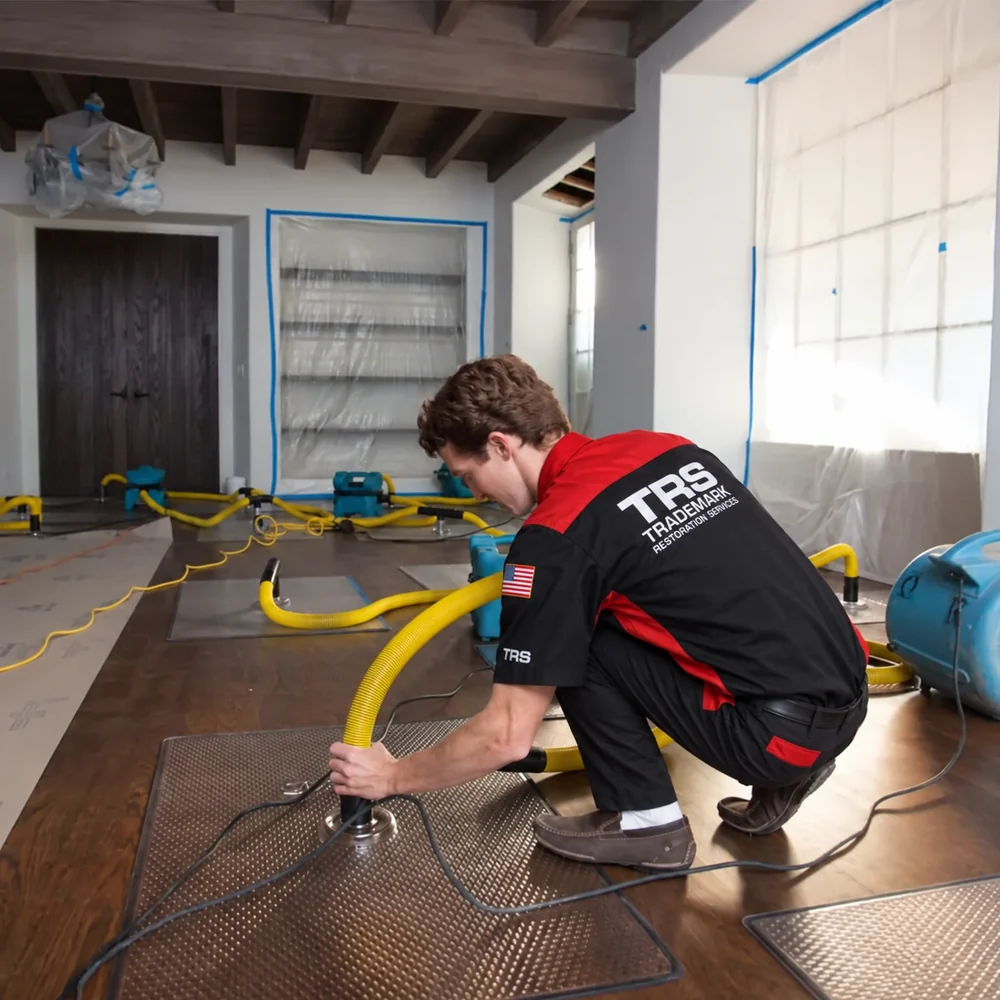
To eliminate hidden moisture, professionals employ specialized drying equipment and techniques, including:
- Industrial Air Movers: High-velocity fans direct powerful streams of air across floors, walls, and furniture to accelerate surface evaporation.
- Commercial Dehumidifiers: Refrigerant and desiccant dehumidifiers draw moisture out of the air, rapidly lowering ambient humidity and pulling deep-set water from porous building materials.
- Thermal Imaging and Moisture Meters: Technicians use infrared cameras and pinless moisture meters to monitor progress behind walls and under floors, ensuring no hidden moisture pockets remain.
Proper structural drying can take several days, and technicians continuously monitor relative humidity, temperature, and moisture content until the building meets acceptable dry standards.
Cleaning, Sanitization, and Mold Prevention
Floodwaters from storms, heavy rains, or sewage backups carry dirt, debris, bacteria, heavy metals, and harmful pathogens. Simply drying out a home is not enough; every affected surface must be thoroughly cleaned and disinfected to ensure a safe living environment.
Decontamination Protocols
Certified flood restoration services follow strict safety and sanitation standards. They treat contaminated areas with EPA-registered antimicrobial, antibacterial, and disinfectant agents.
Mold Remediation
Mold spores can begin colonizing damp surfaces within 24 to 48 hours of water exposure. Professional teams take aggressive preventative measures, applying fungicides and mold-inhibiting solutions to structural framing, subflooring, and wall cavities. If mold has already begun to grow, specialists isolate the affected area using plastic containment barriers and HEPA air scrubbers to clean the air and safely remove the mold colonies.
Salvage, Contents Restoration, and Deodorization
A flood affects not only the physical structure of a home, but also the personal possessions inside. Professional restoration teams aim to salvage as much personal property as possible, including furniture, clothing, electronics, documents, and family heirlooms.
Specialized Cleaning Techniques
Restoration experts evaluate contents to determine what can be successfully restored versus what must be safely discarded. They utilize specialized cleaning methods, such as ultrasonic cleaning, dry cleaning, and specialized drying chambers for delicate paper items and photographs.
Odor Elimination
Stagnant water and microbial growth leave behind strong, persistent odors that standard household air fresheners cannot mask. Restoration technicians utilize industrial thermal fogging equipment and ozone generators or hydroxyl generators to neutralize odor molecules at the cellular level, restoring a fresh, healthy indoor air quality.
Rebuilding and Structural Repair
The final phase of flood restoration involves rebuilding the home back to its original pre-loss condition. Depending on the severity of the flooding, this stage can range from minor cosmetic repairs to full-scale reconstruction.
Structural restoration tasks often include:
- Replacing ruined drywall and insulation.
- Installing new flooring, carpet, tile, or hardwood.
- Repairing damaged structural beams, joists, and subfloors.
- Repainting walls and finishing trim work.
- Ensuring electrical, plumbing, and HVAC systems are safely tested and fully operational.
By offering comprehensive solutions from initial water extraction through final reconstruction, professional flood restoration services streamline the entire recovery process, giving homeowners peace of mind during a highly stressful time.
Partnering with Professionals for Full Home Recovery
Experiencing severe water damage can feel overwhelming, but attempting to manage flood cleanup without professional help often leads to ongoing structural problems, lingering health hazards, and costly future repairs.
Reliable flood restoration services provide the expertise, technical equipment, and structured approach required to safely remove water, dry out structural elements, prevent mold growth, and fully rebuild affected spaces. With their dedicated assistance, homeowners can safely return to a clean, secure, and fully restored environment.